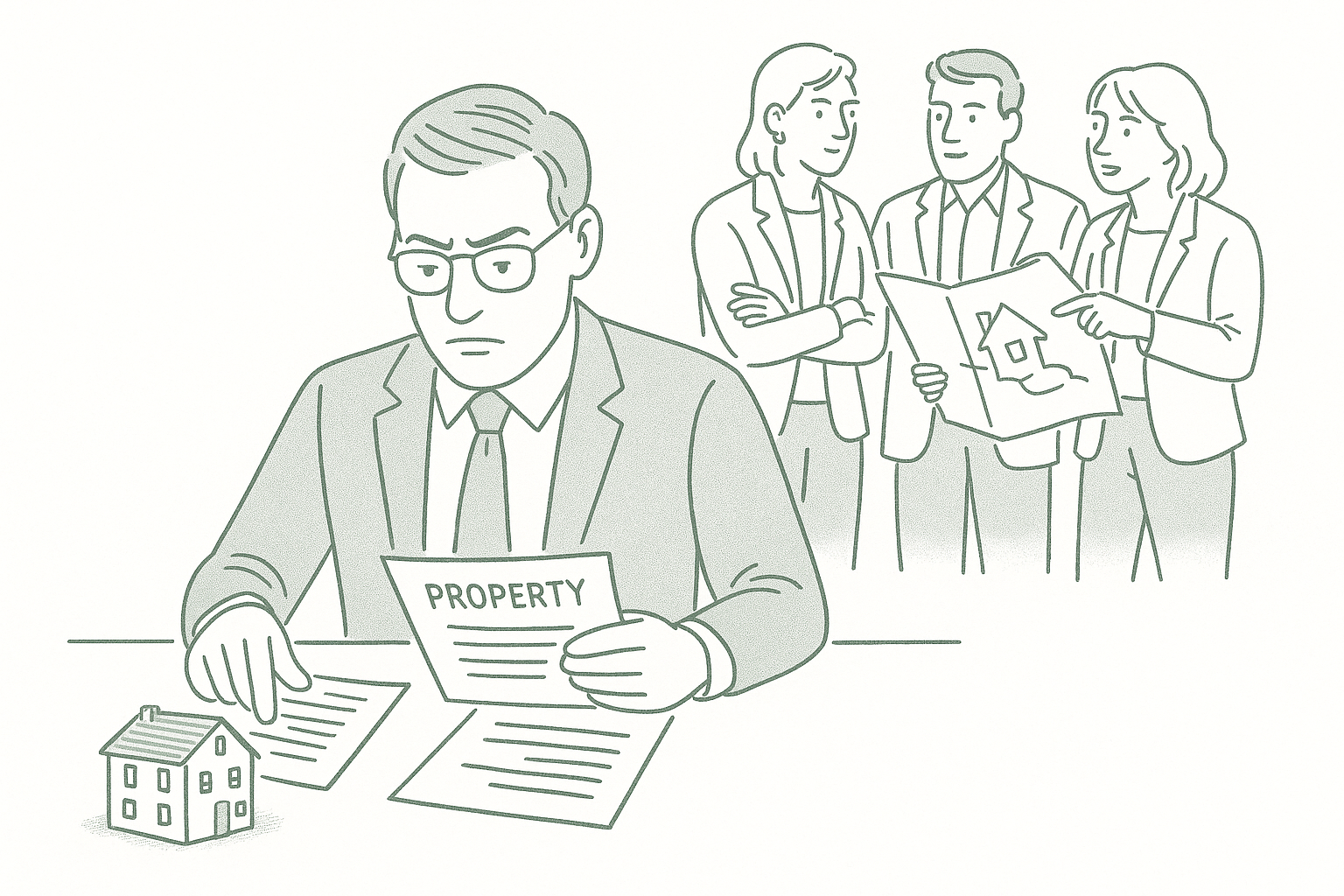
Real estate investing looks like a solo sport from the outside. Find a deal, run the numbers, close it, manage it, repeat. The entire culture glorifies the lone operator — the self-made investor who figured out the formula and executed it alone.
That story is mostly fiction.
The investors building serious portfolios — the ones scaling past ten, twenty, fifty doors or flipping at real volume — almost always have a small group of peers they talk to regularly. Not a Facebook group with 40,000 members. Not a REIA meeting where everyone's pitching something. A tight circle of people operating at a similar level, sharing real numbers, and holding each other to commitments.
The deal flow problem nobody talks about
According to the National Association of Realtors, 66% of sellers and 43% of buyers find their agent through a referral or existing relationship. Referral-sourced leads close at three to five times the rate of cold leads. The real estate industry already knows that relationships outperform marketing. But most investors still treat deal sourcing as a marketing problem — SEO, direct mail, PPC, driving for dollars.
The investors who consistently find off-market deals — the ones that aren't competing against thirty other offers — get them through relationships. Specifically, through small networks of investors who pass each other opportunities that don't fit their own buy box. A fix-and-flip operator hears about a 12-unit portfolio and calls the buy-and-hold investor in their group. A multifamily syndicator gets wind of a vacant lot and pings the developer they meet with every other week.
This isn't networking. Networking is transactional and broad. This is what happens when a small group of investors know each other's strategies, criteria, and capacity well enough to route deals instinctively. The room becomes a deal flow engine — not because anyone designed it that way, but because trust at that depth naturally produces it.
The decisions you're making alone
Real estate investing is a chain of high-stakes judgment calls. Whether to bid, what to offer, when to refinance, whether to 1031 or take the tax hit, when to fire a property manager, how to structure a partnership, whether the market in a given zip code has another two years of appreciation or if you're buying the top.
Most investors make these calls alone. Maybe they run it by a spouse. Maybe they post in a forum. But the decisions that actually shape a portfolio — the big ones with real money on the line — tend to happen in isolation. And the research on isolated decision-making is consistent: people who make high-stakes choices without trusted peer feedback consistently underperform those who don't.
The problem isn't lack of information. Every investor has access to podcasts, courses, and YouTube channels breaking down every conceivable strategy. The problem is judgment — knowing which information applies to your specific situation, your specific market, your specific risk tolerance. That's context, not content. And context comes from people who know your numbers.
What the top investors actually do
Groups like Collective Genius, GoBundance, and Boardroom Mastermind charge $8,500 to $35,000 a year. GoBundance has grown from 49 members in 2014 to over 800 in 2026. Collective Genius caps membership at roughly 140 high-volume investors and lenders. These aren't educational programs. They're structured peer groups where serious investors share real deal data, review each other's strategies, and create the kind of accountability that prevents the lazy decision-making that kills portfolios.
The BiggerPockets community — the largest real estate investing forum in the world — has seen the same dynamic play out organically. The platform has over three million members, but the investors who consistently credit it with changing their trajectory aren't the ones who browsed threads. They're the ones who formed small accountability groups within the larger community. The ones who took a relationship from a forum thread to a phone call to a monthly check-in.
The pattern is always the same. Large communities provide information. Small structured groups produce outcomes. The information is free. The structure is what you pay for — or build yourself.
Why investors resist it
Real estate attracts independent operators. People who like control, who trust their own analysis, who got into investing specifically because they didn't want to depend on anyone else's system. The same personality traits that make someone willing to buy a distressed property sight-unseen make them resistant to sitting in a room and sharing their numbers with peers.
But independence isn't the same thing as isolation. The peer effect research shows that the people around you shape your behavior, your decisions, and your income whether you like it or not. The question isn't whether you're influenced by others. It's whether you're influenced by the right others — or by whatever algorithm happens to be serving you content that day.
The investors paying $15,000 a year for GoBundance aren't paying for information. They have information. They're paying for a room where someone will look at their spreadsheet and say "you're underwriting this wrong" or "you should have refinanced six months ago" or "that market is about to turn and here's why I got out." That kind of honest feedback from peers has driven outcomes for 300 years.
The room is the edge
Real estate is one of the few industries where a single deal can change your entire financial trajectory. One bad acquisition can set you back years. One off-market deal from a trusted contact can leapfrog your portfolio forward by a decade. The difference between those outcomes often comes down to who you talked to before you signed.
The best deals don't come from the MLS, from direct mail, or from driving for dollars. They come from the room — a small group of investors who know what you're looking for, trust you enough to share what they're seeing, and care enough to tell you when you're about to make a mistake.
The market gives everyone the same information at the same time. The room gives you something the market can't.
GoodGrowth builds structured peer groups for real estate investors who are done making every decision alone. Small groups. Real numbers. People who get it. Read about mastermind groups for real estate agents, or explore the research behind the peer effect.