The Journal
Research, history, and frameworks on how people actually grow — together.
Science & Research
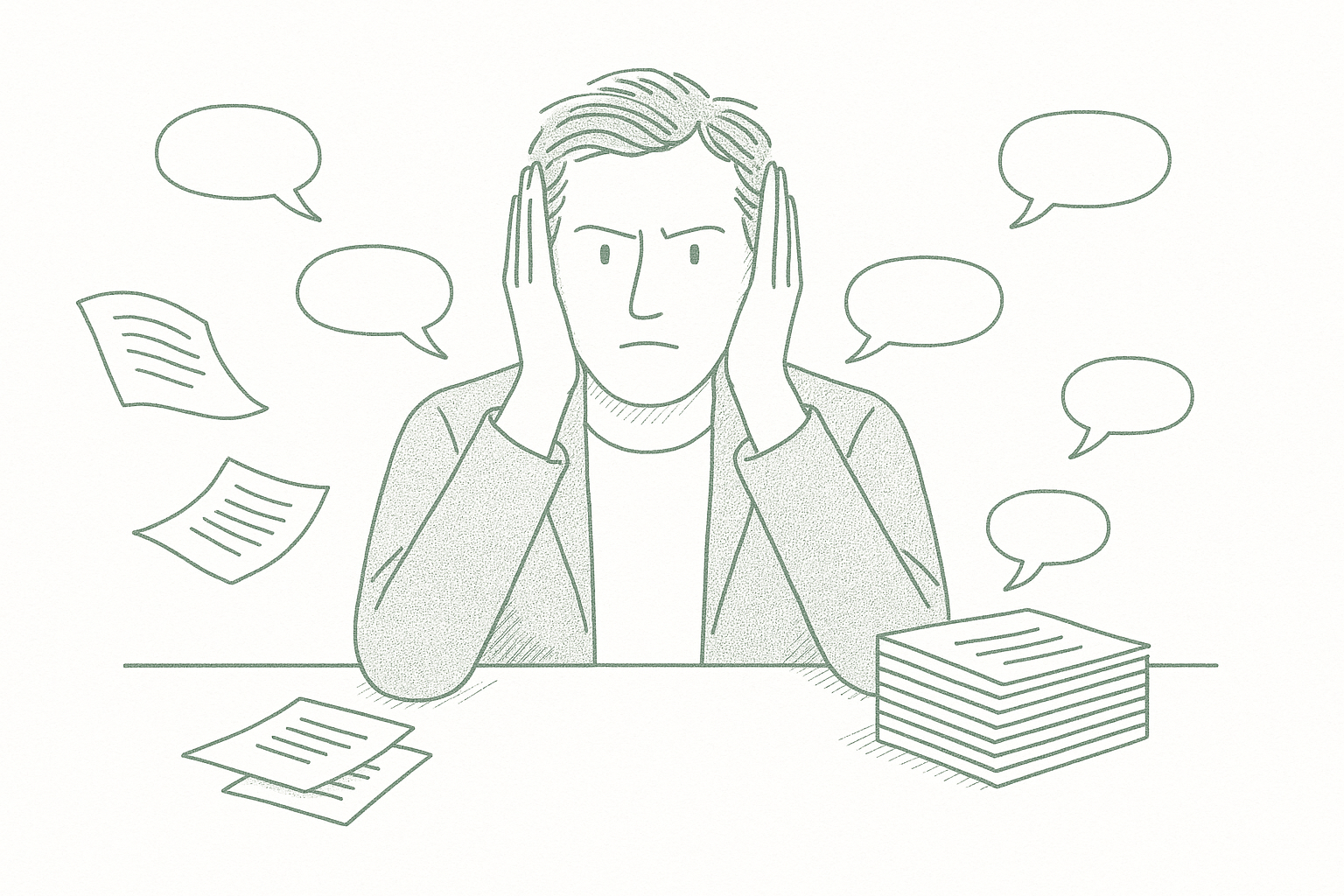
Confirmation Bias: Why Founders Only Hear What They Already Believe
Entrepreneurs rely on heuristic thinking more than almost any other group. That makes them uniquely vulnerable to the bias that filters out everything that contradicts what they have already decided.
Science & Research
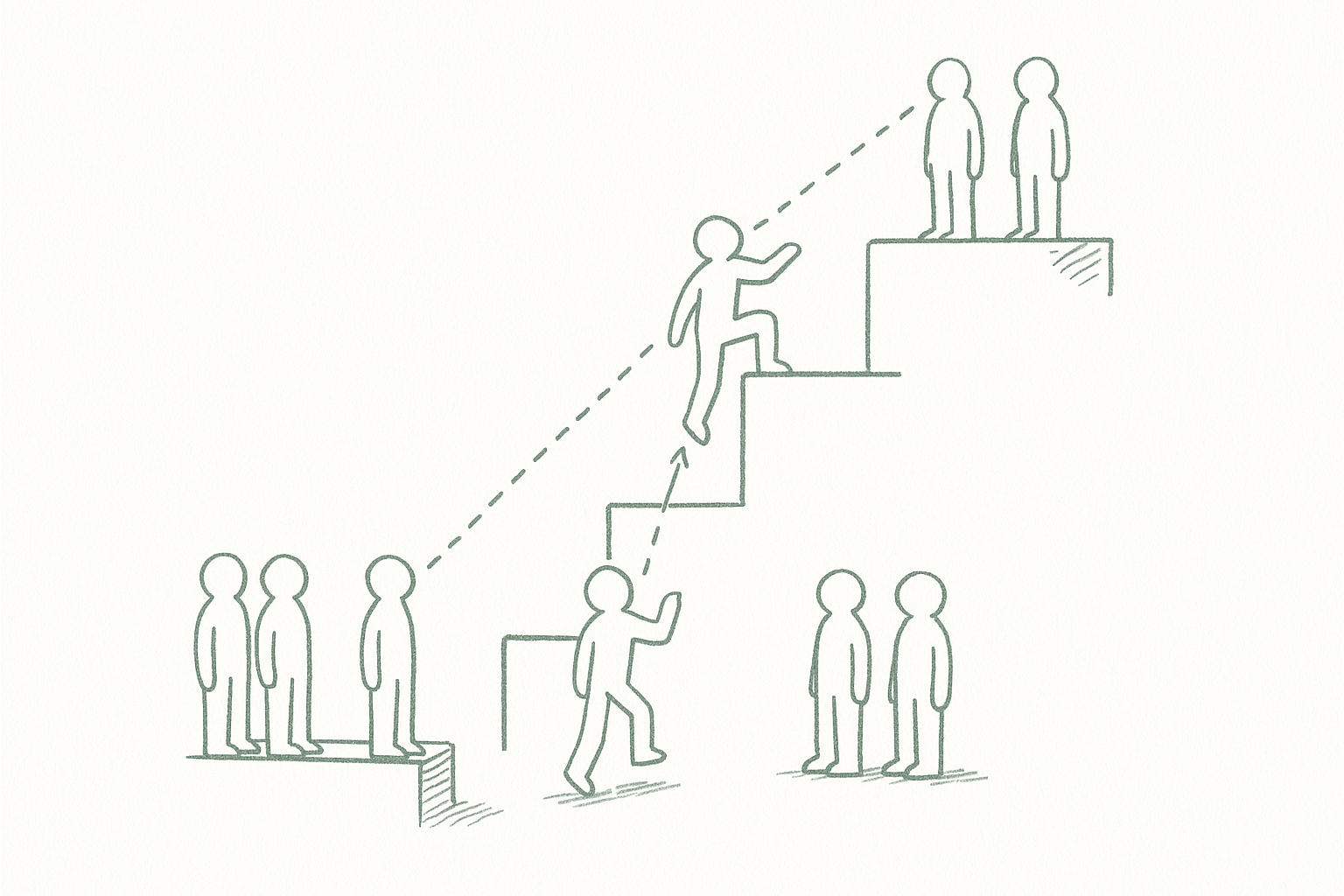
Social Comparison Theory: Why the Right Peer Group Recalibrates What You Think Is Possible
Leon Festinger proved in 1954 that humans evaluate their abilities by comparing themselves to others. The peer group you sit in does not just influence your mood. It resets your internal definition of what counts as normal performance.
Science & Research
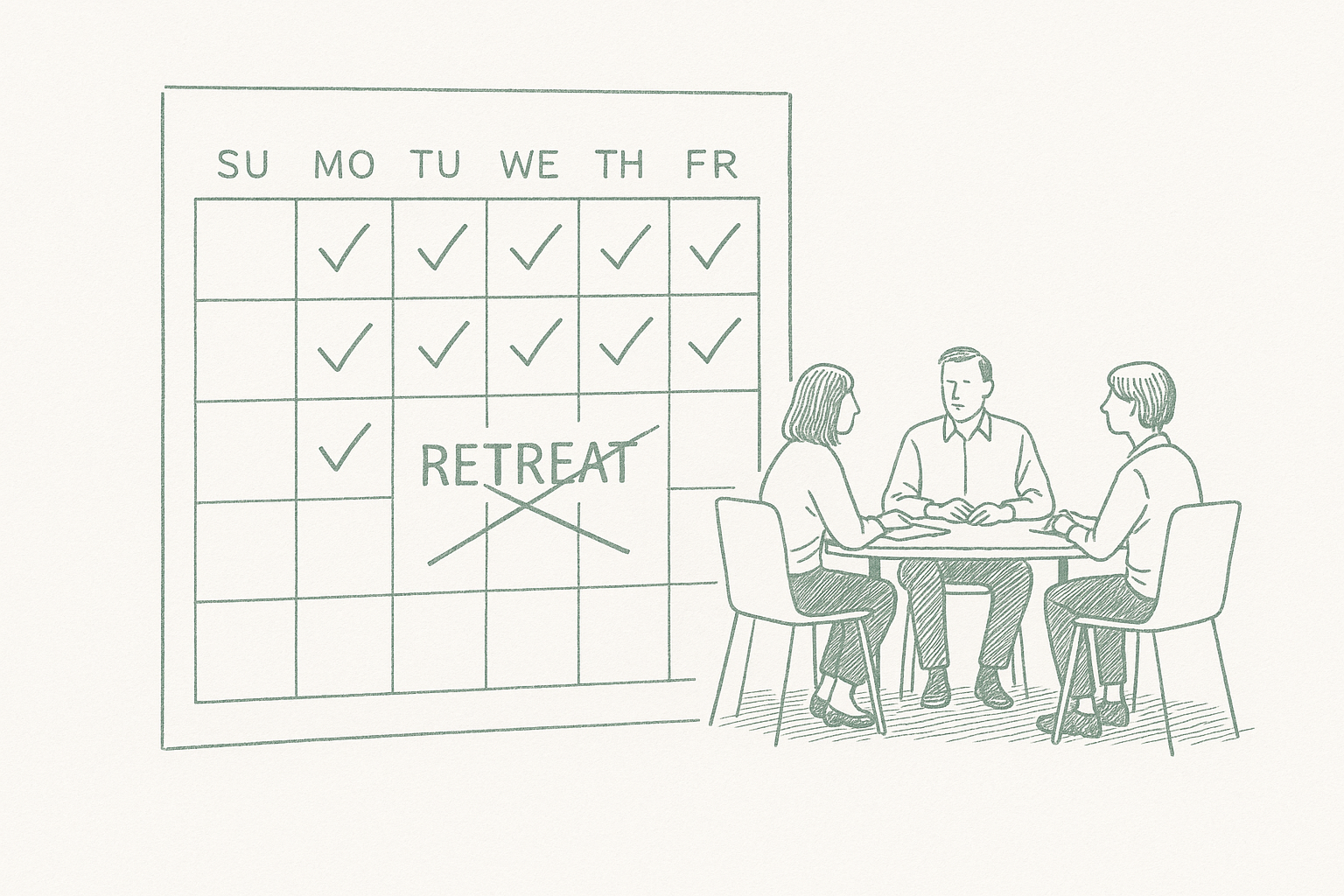
The Spacing Effect: Why One Retreat Won't Change Your Business (But Twelve Tuesdays Will)
Hermann Ebbinghaus proved in 1885 that humans forget 70% of new information within 24 hours. Meta-analyses show spaced practice outperforms massed practice by an effect size of up to 0.78. One retreat cannot rewire how you operate. Twelve recurring meetings can.
Science & Research
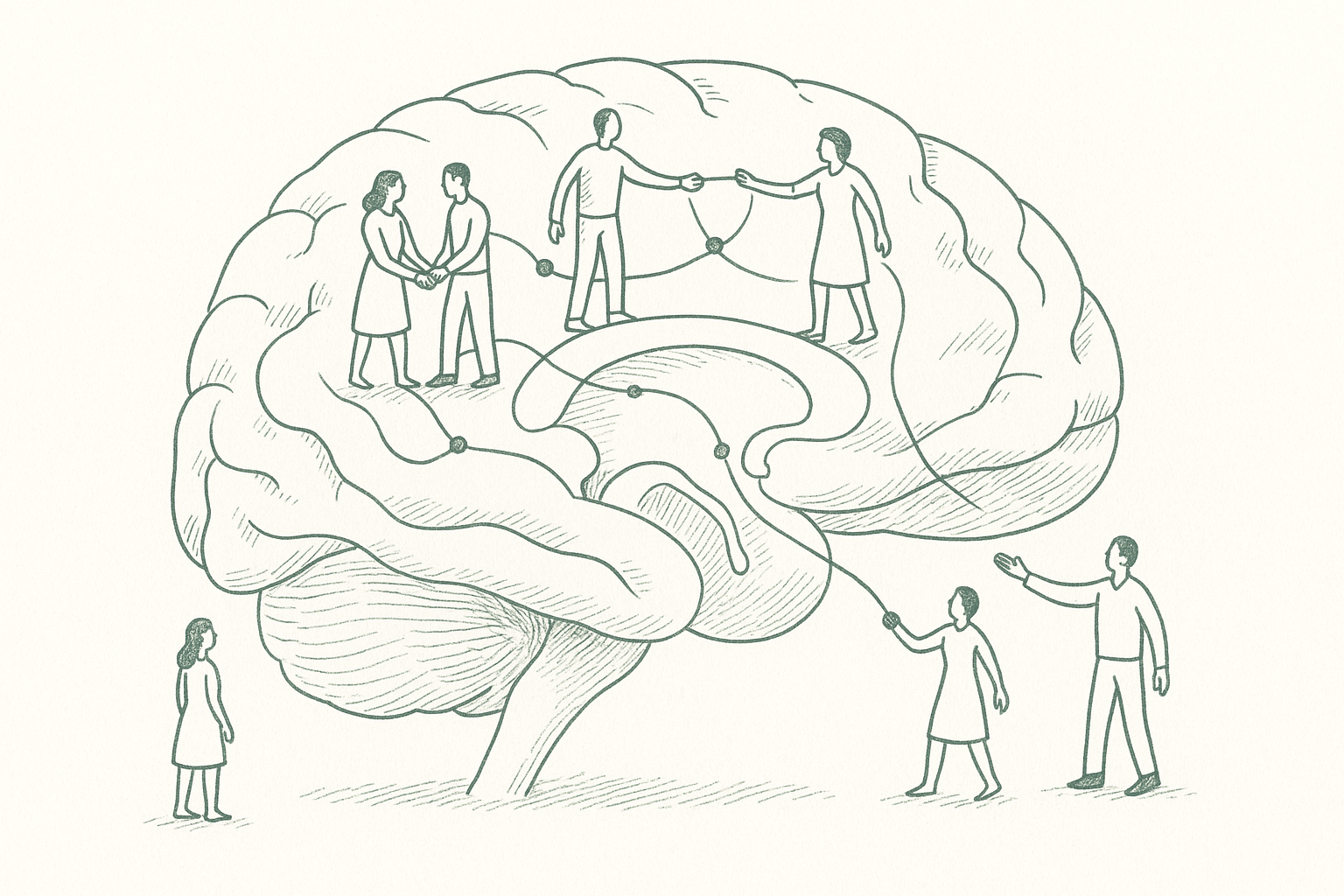
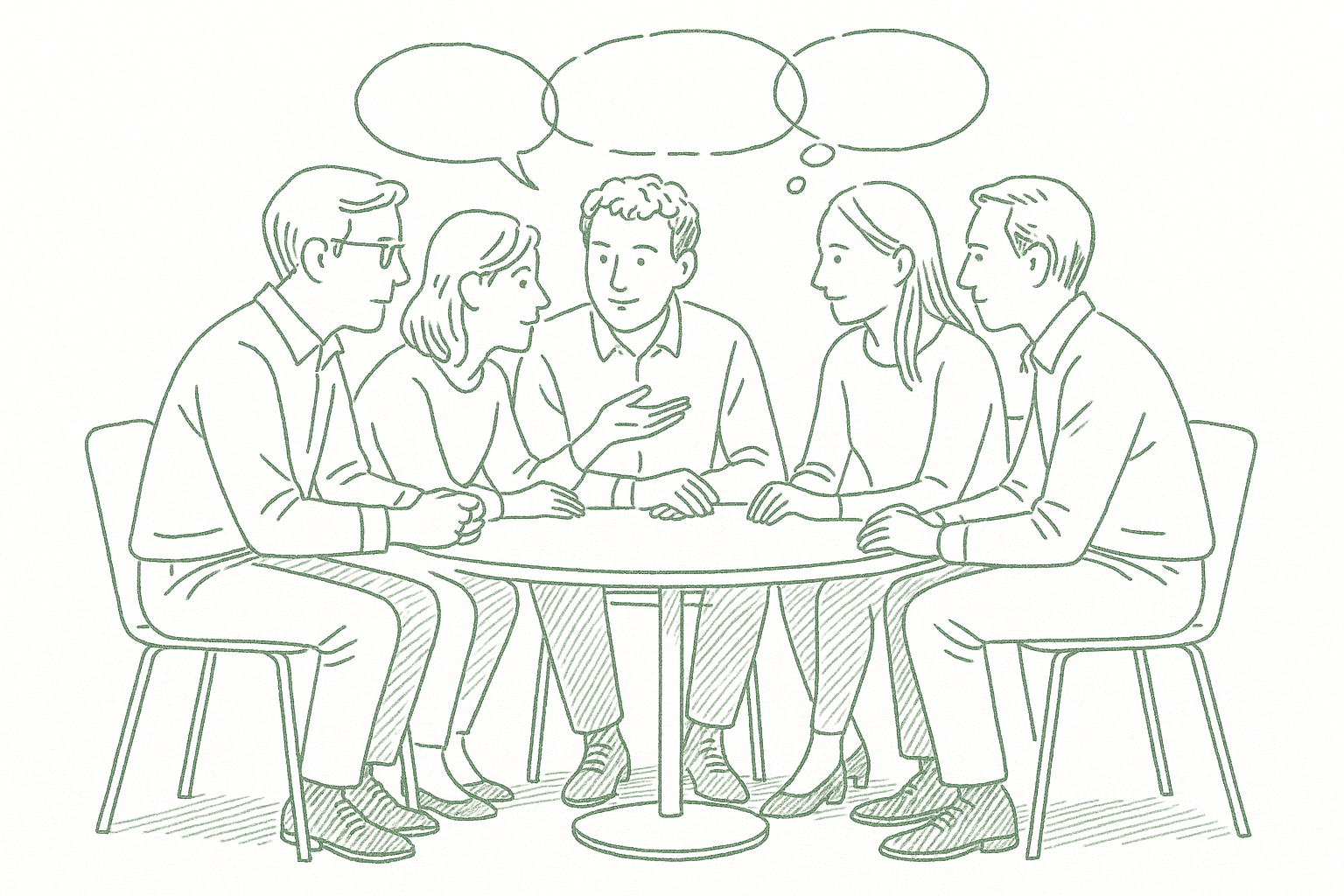
Social Baseline Theory: Why Your Brain Was Never Designed to Lead Alone
Neuroscientist James Coan's fMRI research shows the brain treats being alone as a threat state. When trusted people are nearby, threat-related brain activity drops to baseline. Your brain literally performs worse in isolation.
Science & Research
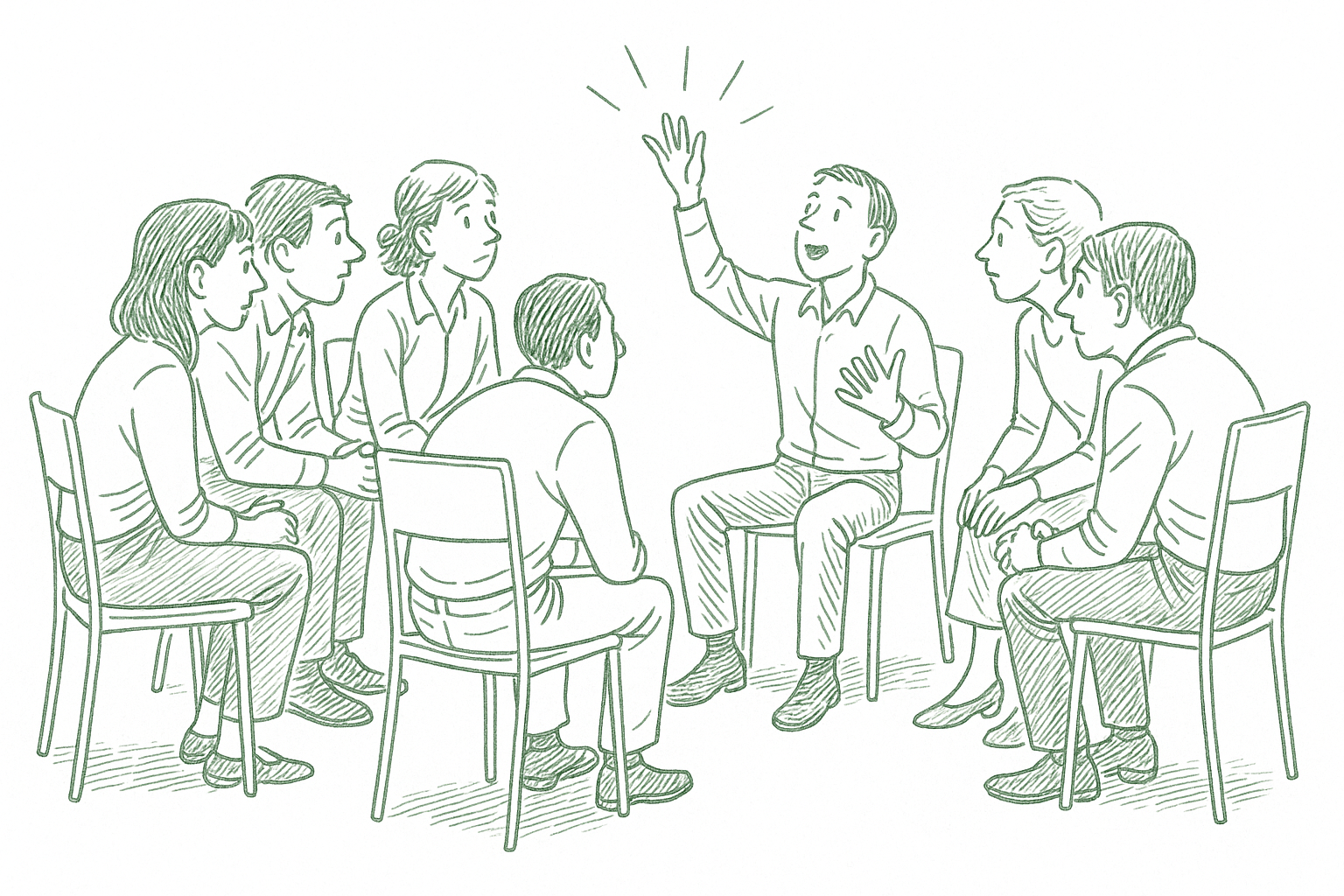
Collective Intelligence: Why the Smartest Groups Aren't Made of the Smartest People
A landmark study in Science found that a group's collective intelligence isn't driven by the IQ of its members. It's driven by equal turn-taking, social sensitivity, and whether anyone dominates the room.
Science & Research
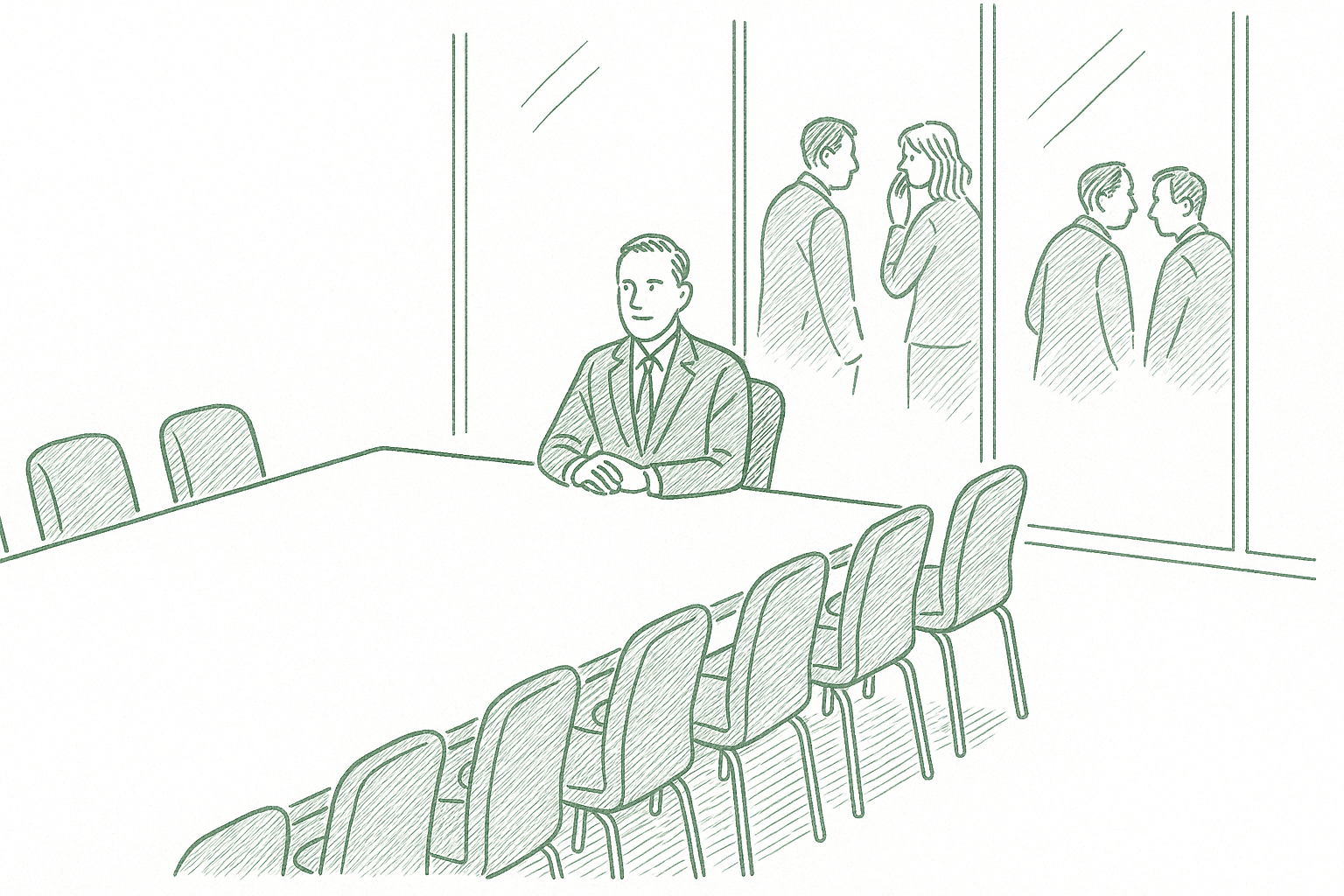
The Pygmalion Effect: Why Your Peer Group's Expectations Literally Change Your Performance
A meta-analysis of workplace studies found the Pygmalion effect size was d = 0.83 — enough to move someone from average to top quartile. The people around you are not watching. They are shaping what you become.
The Problem
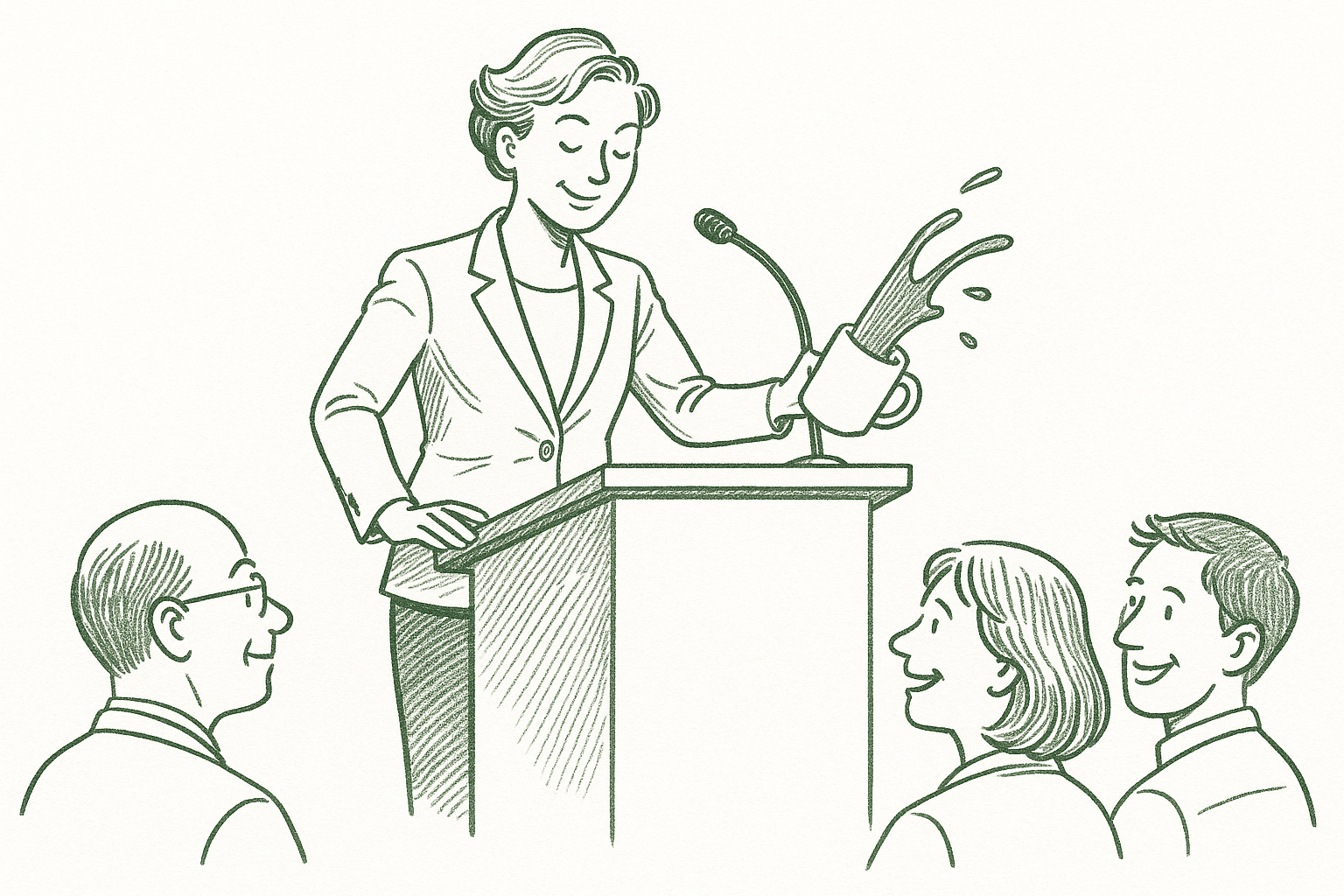
The Feedback Desert: Why the Higher You Climb, the Less Truth You Hear
A Stanford study found that 66% of CEOs don't receive outside leadership advice. The higher you climb, the more the people around you filter what they tell you. The fix is structural, not cultural.
Science & Research
The Pratfall Effect: Why the Best Leaders Let Their Groups See Them Fail
Elliot Aronson proved that competent people become more likable after making a mistake. The implication for every founder performing competence in a peer group is enormous.
Science & Research
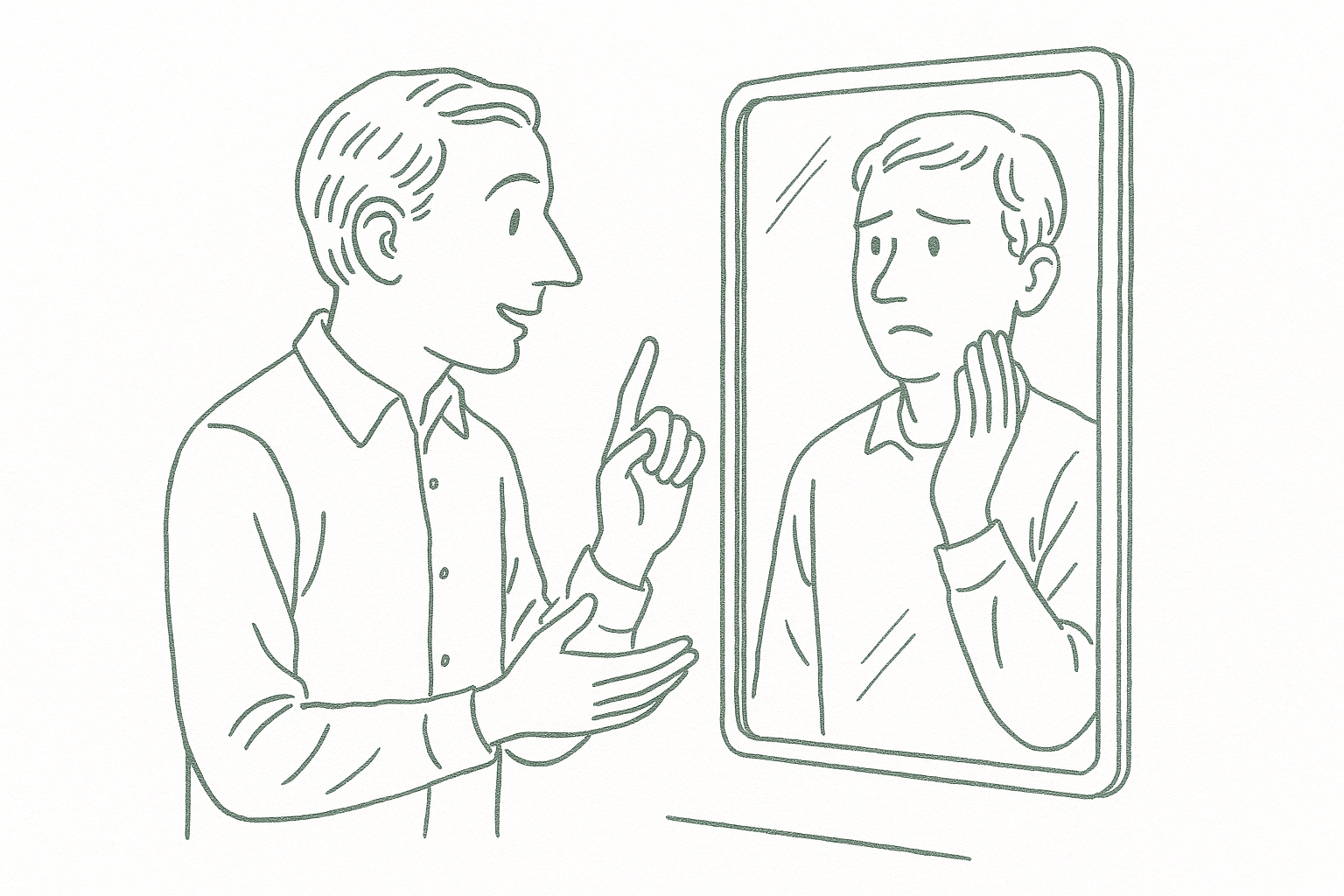
Solomon's Paradox: Why You Give Better Advice Than You Take
You can diagnose a friend's business problem in thirty seconds. Your own version of the same problem has kept you awake for six months. That asymmetry is one of the most replicated findings in the psychology of wisdom.
Science & Research
Pluralistic Ignorance: Why Every Founder Thinks They're the Only One Struggling
Psychologists identified it in 1931. Nearly a century later, it still explains why founders suffer in silence: everyone assumes everyone else has it figured out. Nobody does.
History & Proof
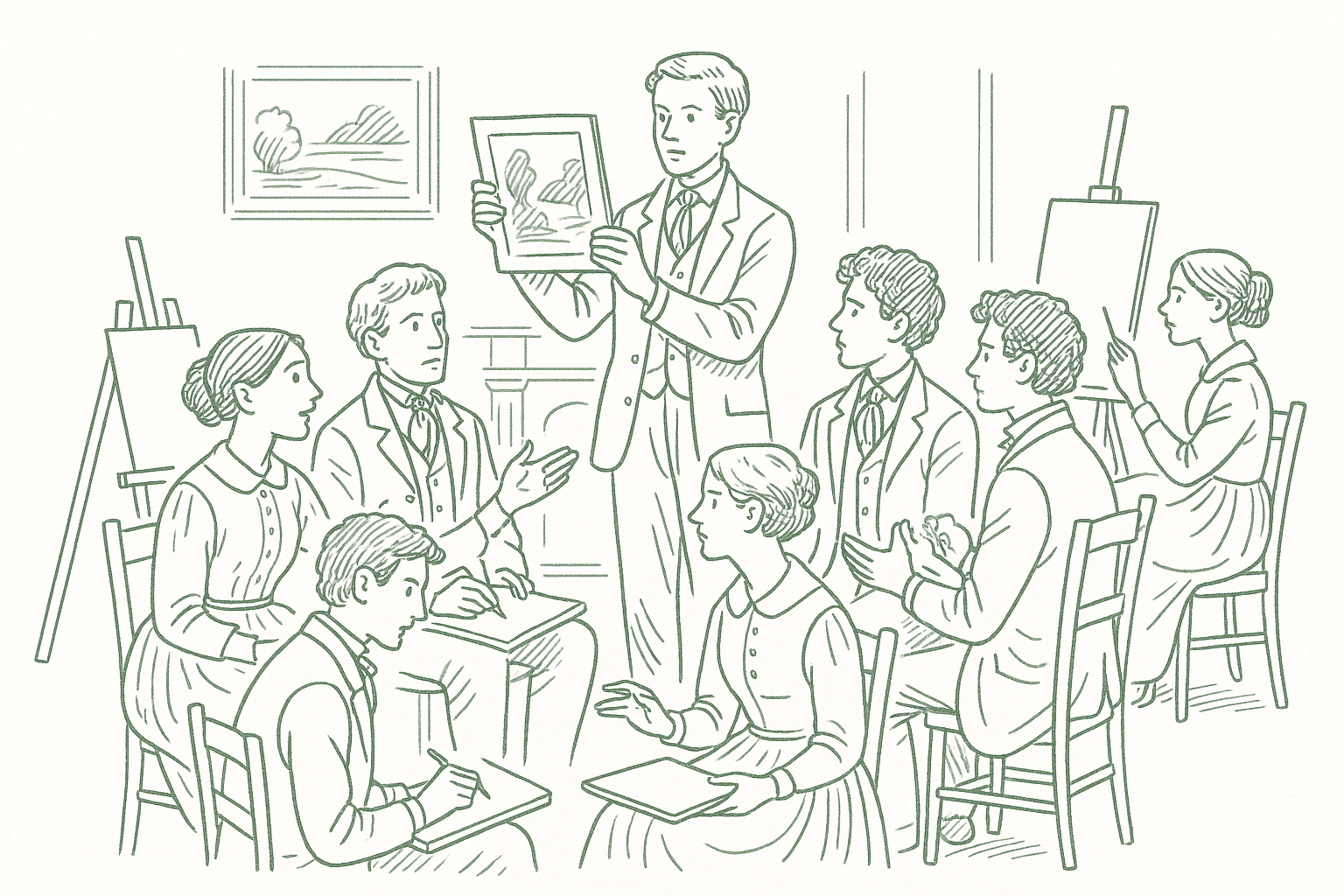
The Pre-Raphaelite Brotherhood: How Seven Artists in Their Twenties Took on the Entire Art Establishment
In 1848, seven young artists formed a secret society in London, signed their paintings with mysterious initials, and launched a rebellion against the most powerful art institution in England. They changed Western art.
History & Proof
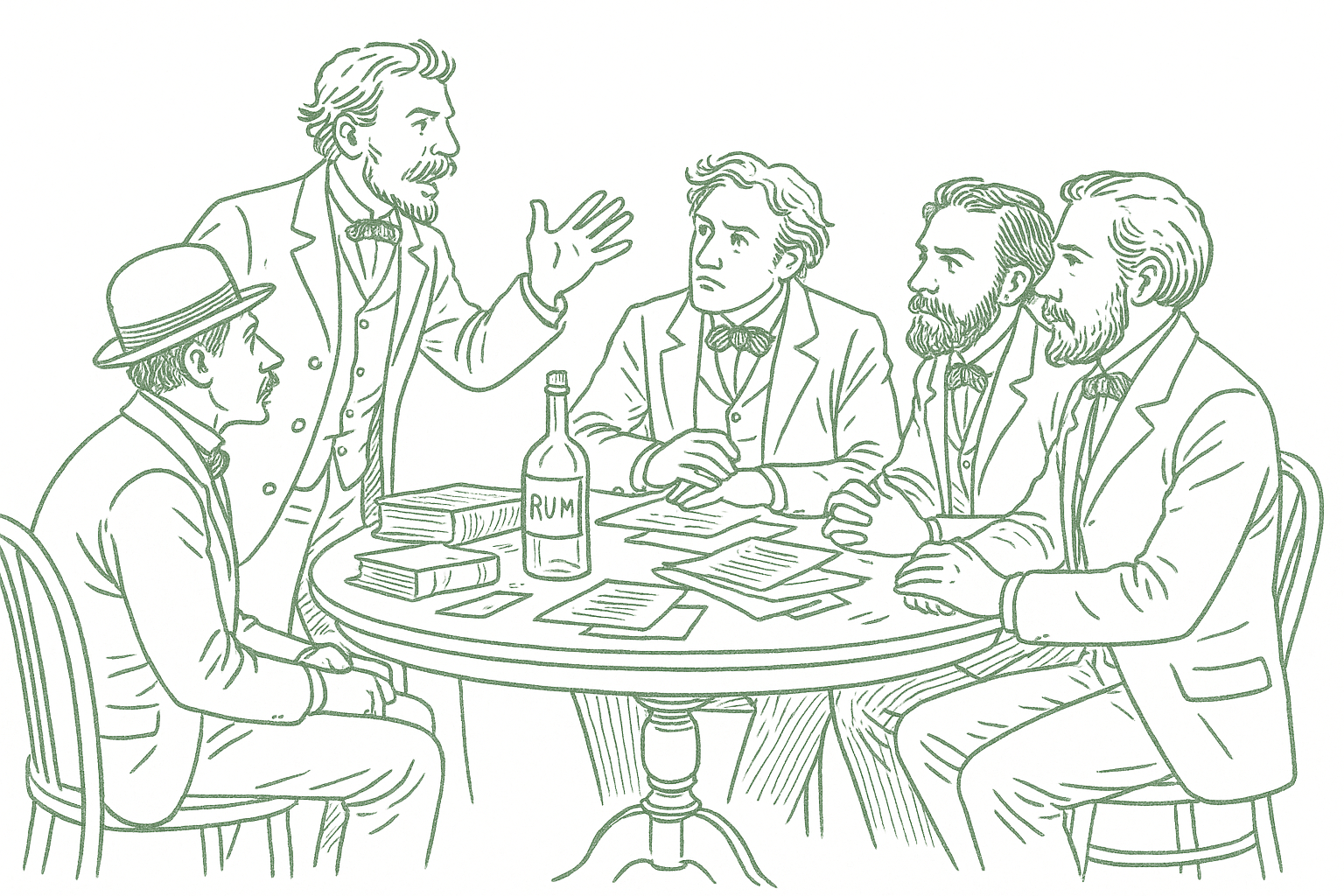
The Metaphysical Club: How Nine Months of Arguing Over Rum Invented American Philosophy
In 1872, a handful of young Harvard men started meeting to argue about ideas. No records were kept. The club lasted nine months. The only thing that came out of it was pragmatism.
Science & Research
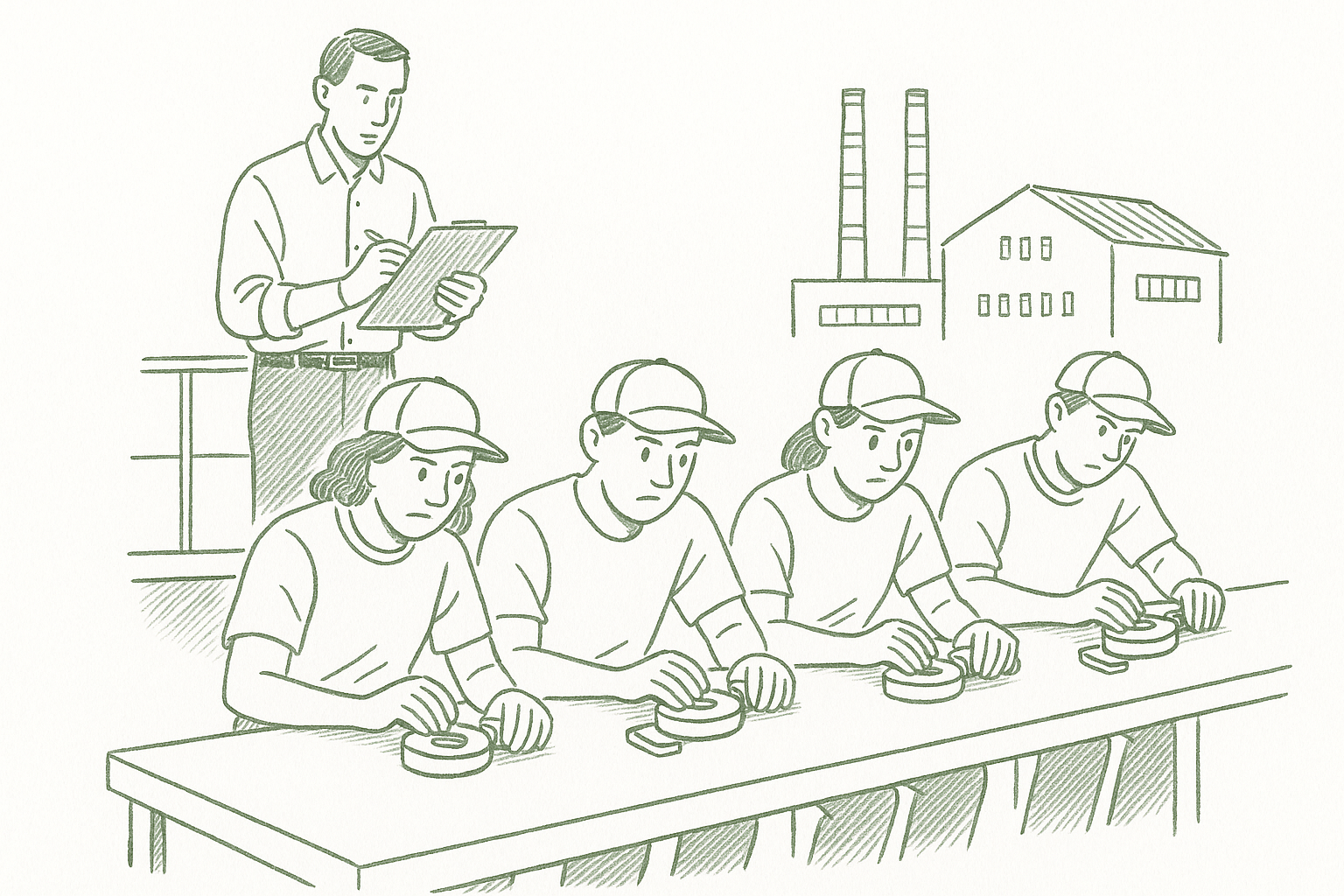
The Hawthorne Effect: Why Being Observed Changes Everything About How You Work
In 1924, researchers at a Chicago factory discovered that workers performed better simply because someone was watching. A century later, the finding explains why peer groups produce outcomes that willpower alone cannot.
Science & Research
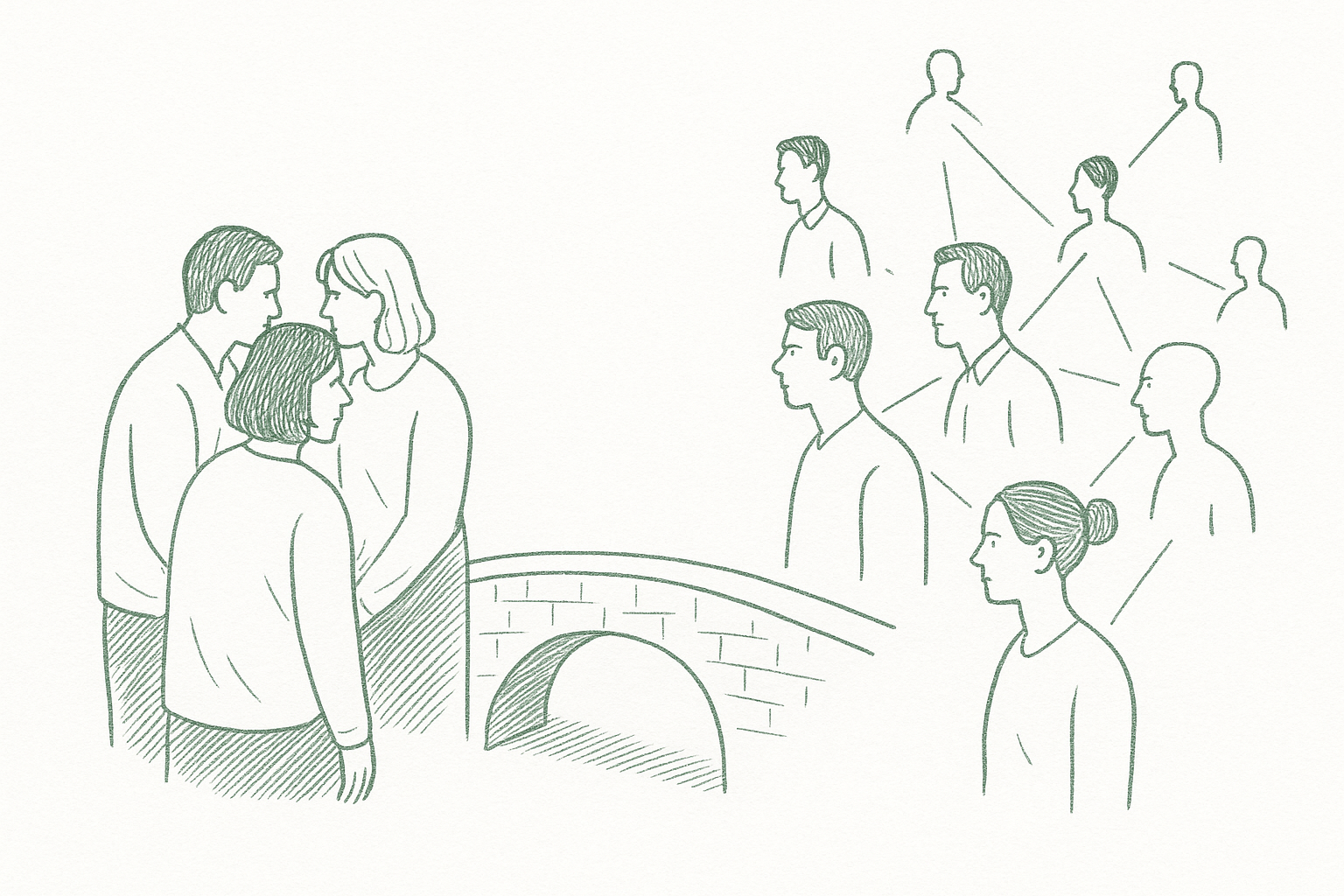
The Granovetter Problem: Why Your Strong Ties Are Holding Your Business Back
In 1973, a sociologist proved that your closest relationships are the least likely to give you new information. Five decades and 80,000 citations later, the research explains why the people you trust most might be the worst people to ask for business advice.
Science & Research
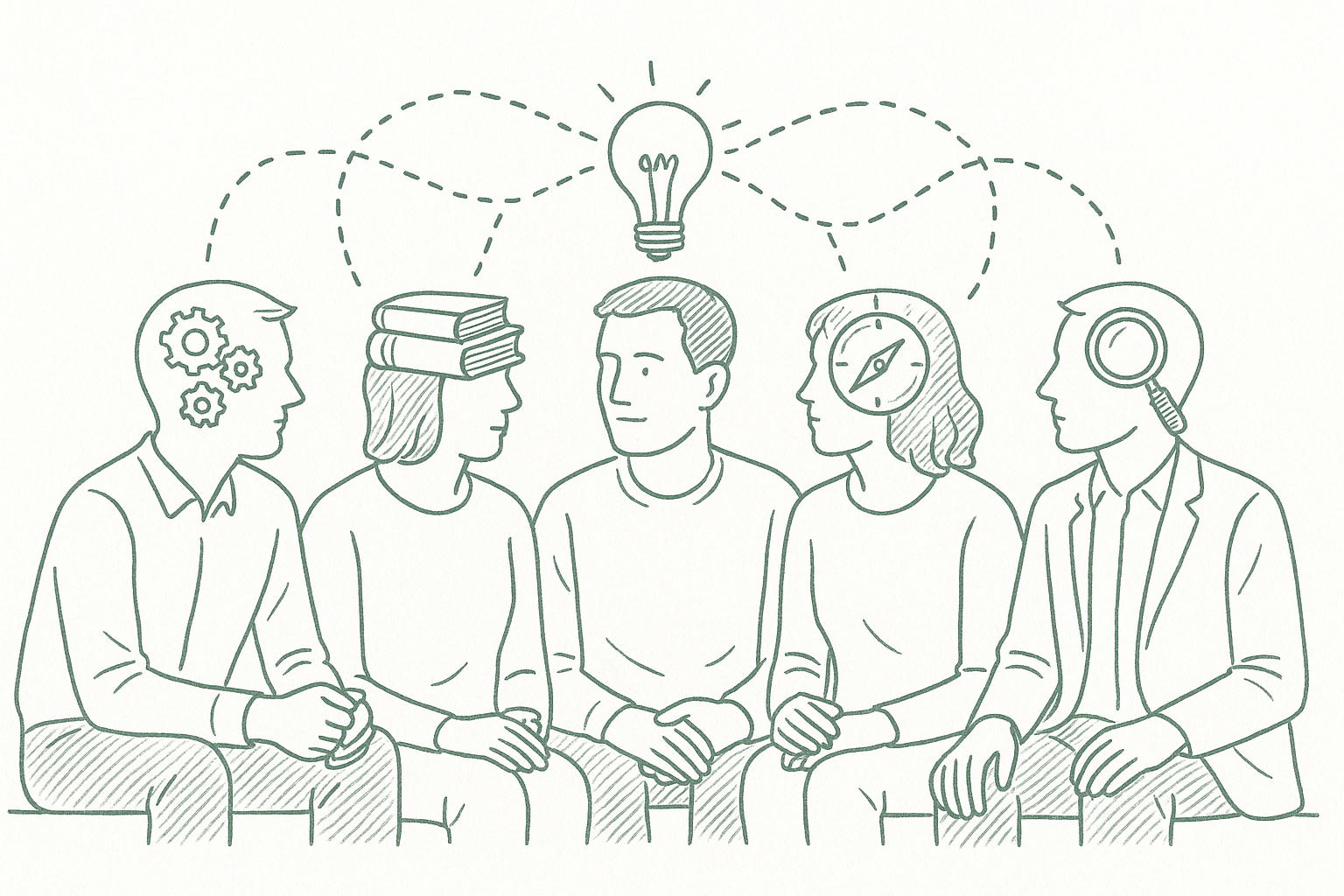
Transactive Memory: Why Your Mastermind Group Knows More Than You Do
In 1985, a psychologist discovered that groups develop shared cognitive systems where each person stores different knowledge. The science explains why five founders together are smarter than any one alone.
Science & Research
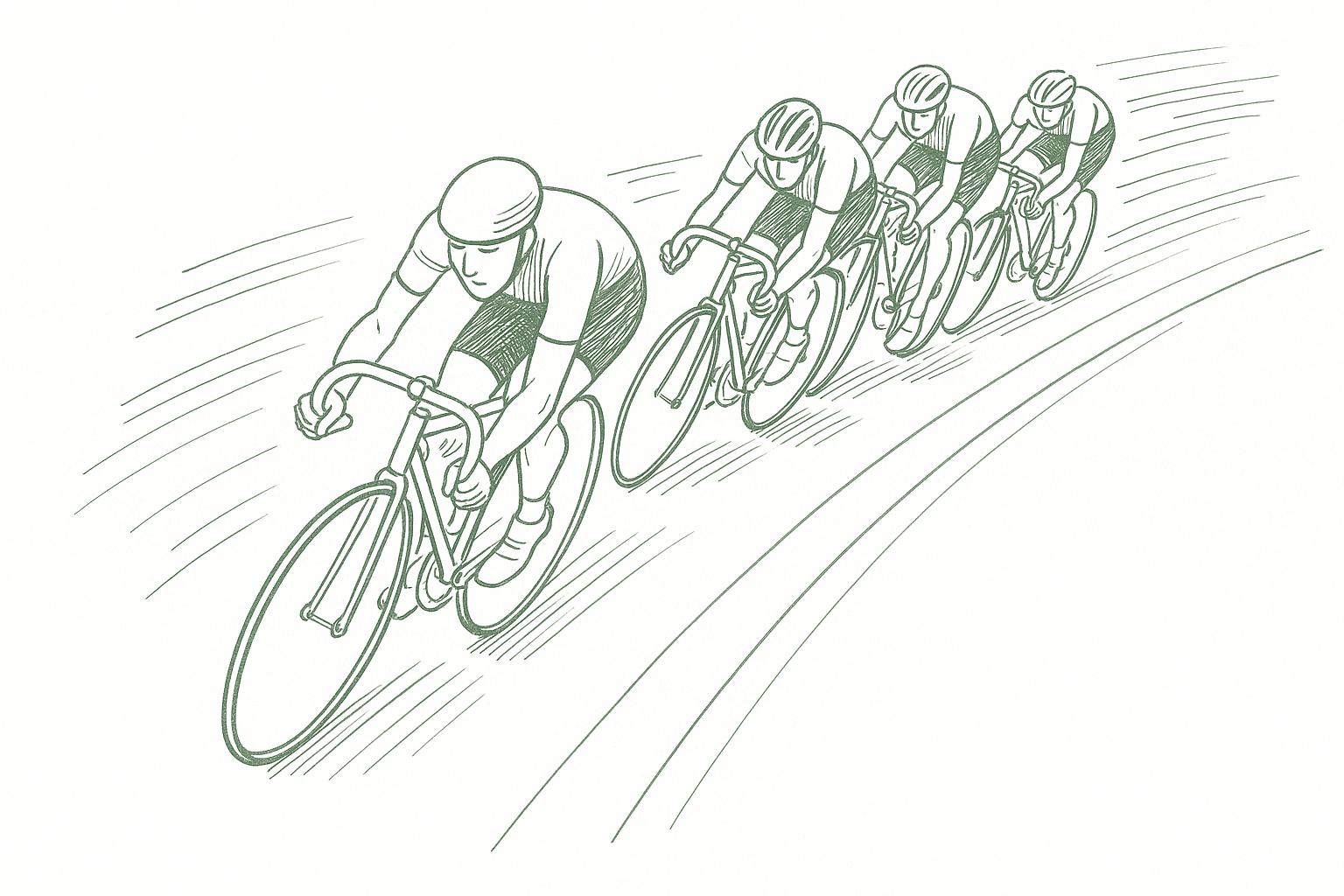
Social Facilitation: Why You Perform Better When Someone Else Is in the Room
In 1898, a psychologist noticed that cyclists rode faster when racing others than when riding alone. A century of research later, we know why.
The Problem
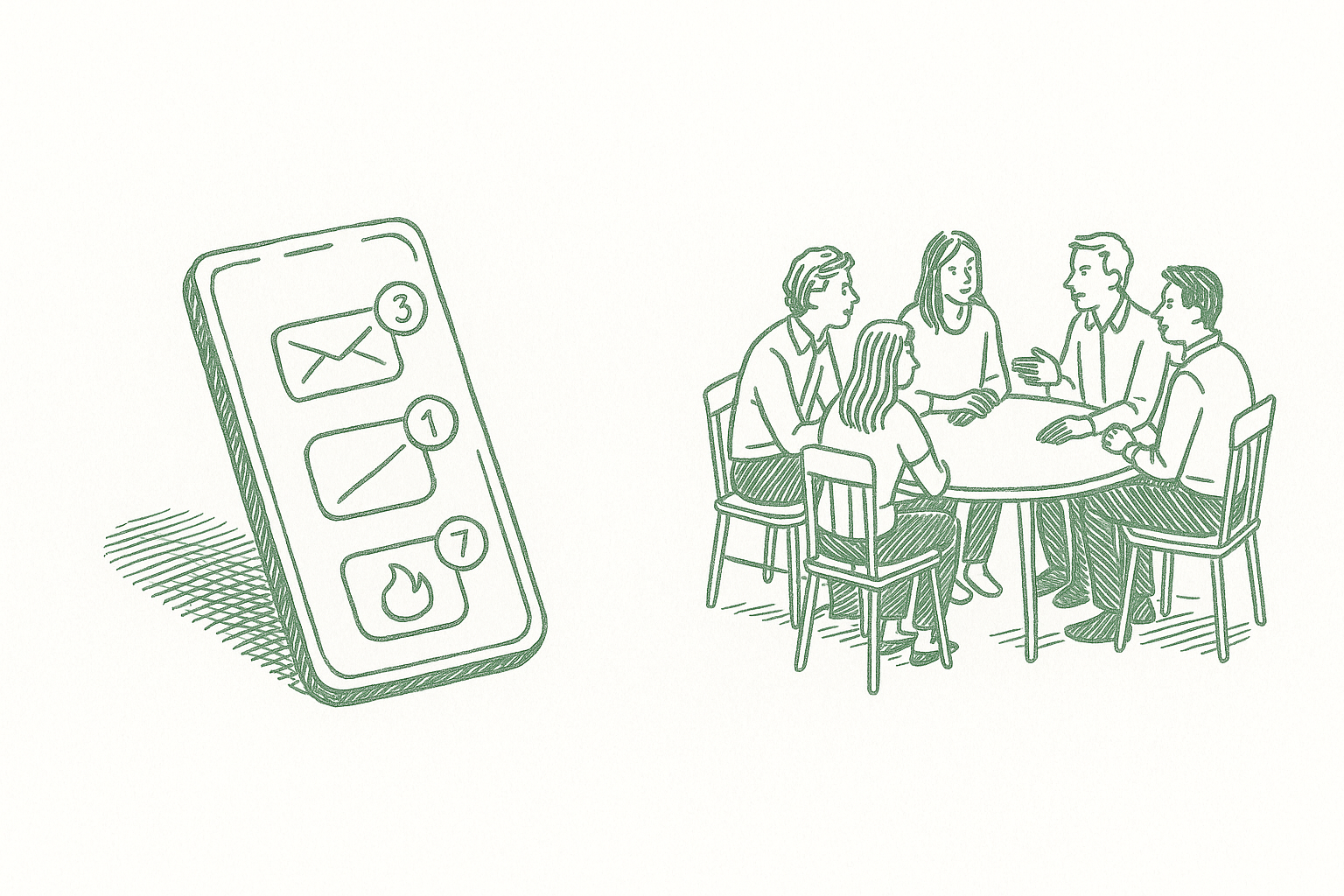
Why Accountability Apps Don't Work But Peer Groups Do
The average accountability app loses 95% of its users within a month. The reason is not bad design. It is a fundamental misunderstanding of how accountability actually works.
Science & Research
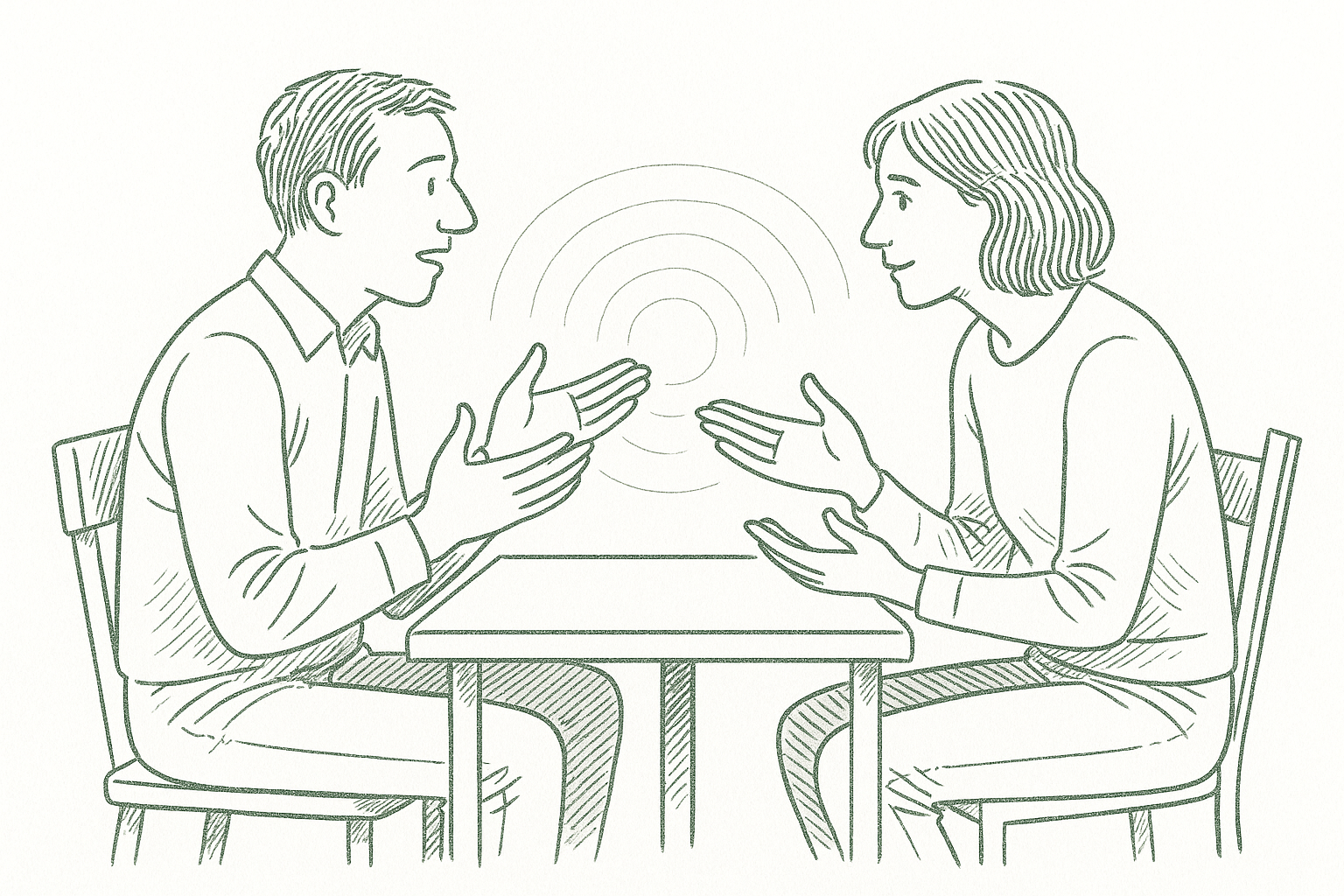
Reciprocal Vulnerability: What the Research Says About Why Groups Become Honest
Honesty in small groups is not a personality trait. It is a chain reaction. Decades of research on reciprocal self-disclosure explain how the best peer groups produce radical candor.
History & Proof
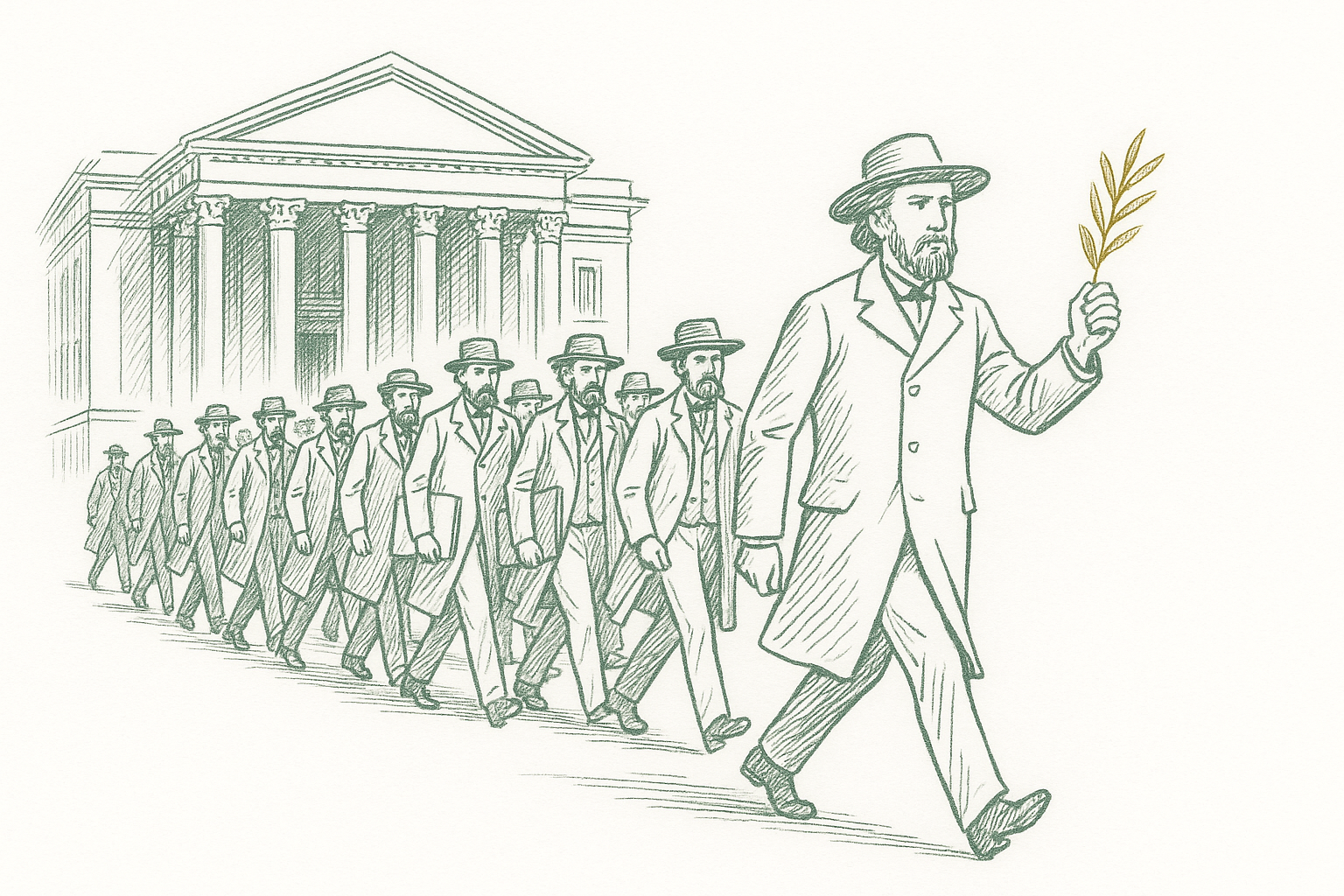
The Vienna Secession: How 19 Artists Who Quit the Establishment Changed Modern Design
On April 3, 1897, nineteen artists walked out of the most powerful arts institution in Austria. In eight years, they redefined what art could be and laid the groundwork for everything from Bauhaus to IKEA.
Concepts & Frameworks
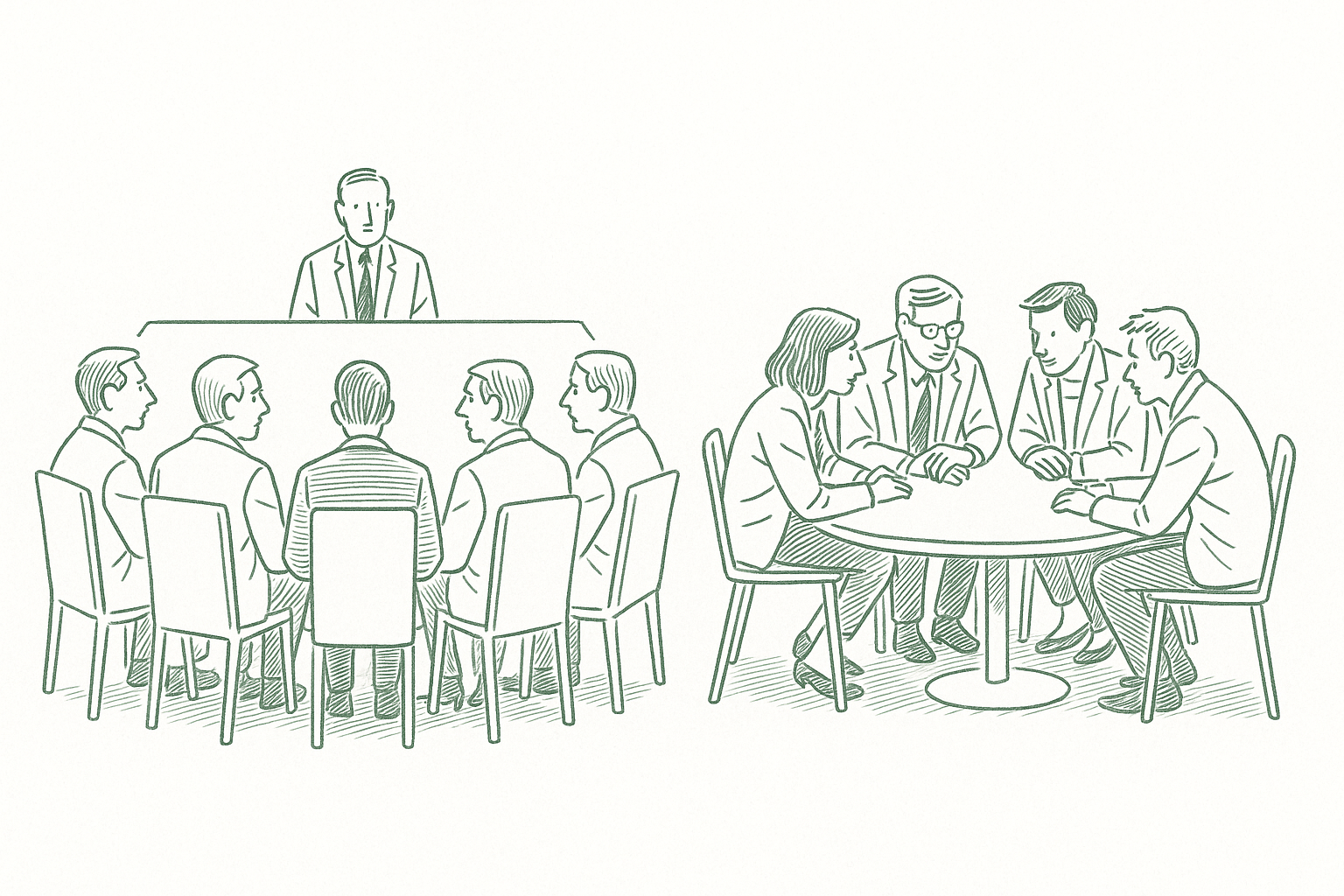
Peer Advisory Groups vs. Boards of Advisors: What Most Founders Get Wrong
Advisory boards serve your company. Peer groups serve you. Most founders confuse the two and end up with neither working.
Science & Research
The Ovsiankina Effect: Why Unfinished Tasks Create Better Group Accountability
In 1928, a psychologist proved that interrupted tasks create a compulsive need to finish them. The best peer groups use this exact mechanism — whether they know it or not.

History & Proof
The Black Mountain College: How an Arts School with No Grades Produced a Generation of Geniuses
From 1933 to 1957, a tiny unaccredited college in rural North Carolina produced Buckminster Fuller's geodesic dome, John Cage's first happening, and an outsized share of twentieth-century American art.
Concepts & Frameworks
How to Run a Hot Seat (The Format That Actually Surfaces Real Problems)
Most mastermind meetings are polite. The hot seat is the format that forces the real problem onto the table — and it is the reason good peer groups actually work.
History & Proof
The Frankfurt School: How a Circle of Exiles Built Critical Theory from Scratch
In 1923, a handful of intellectuals founded an independent research institute in Frankfurt. Within a decade, they were exiled. Within two, they had rewritten philosophy.
Science & Research
Group Flow: What Csikszentmihalyi Got Right About Small Teams
Mihaly Csikszentmihalyi proved flow makes individuals perform at their peak. Keith Sawyer proved it works even better in groups. Neuroscience confirms it is a distinct brain state.
History & Proof
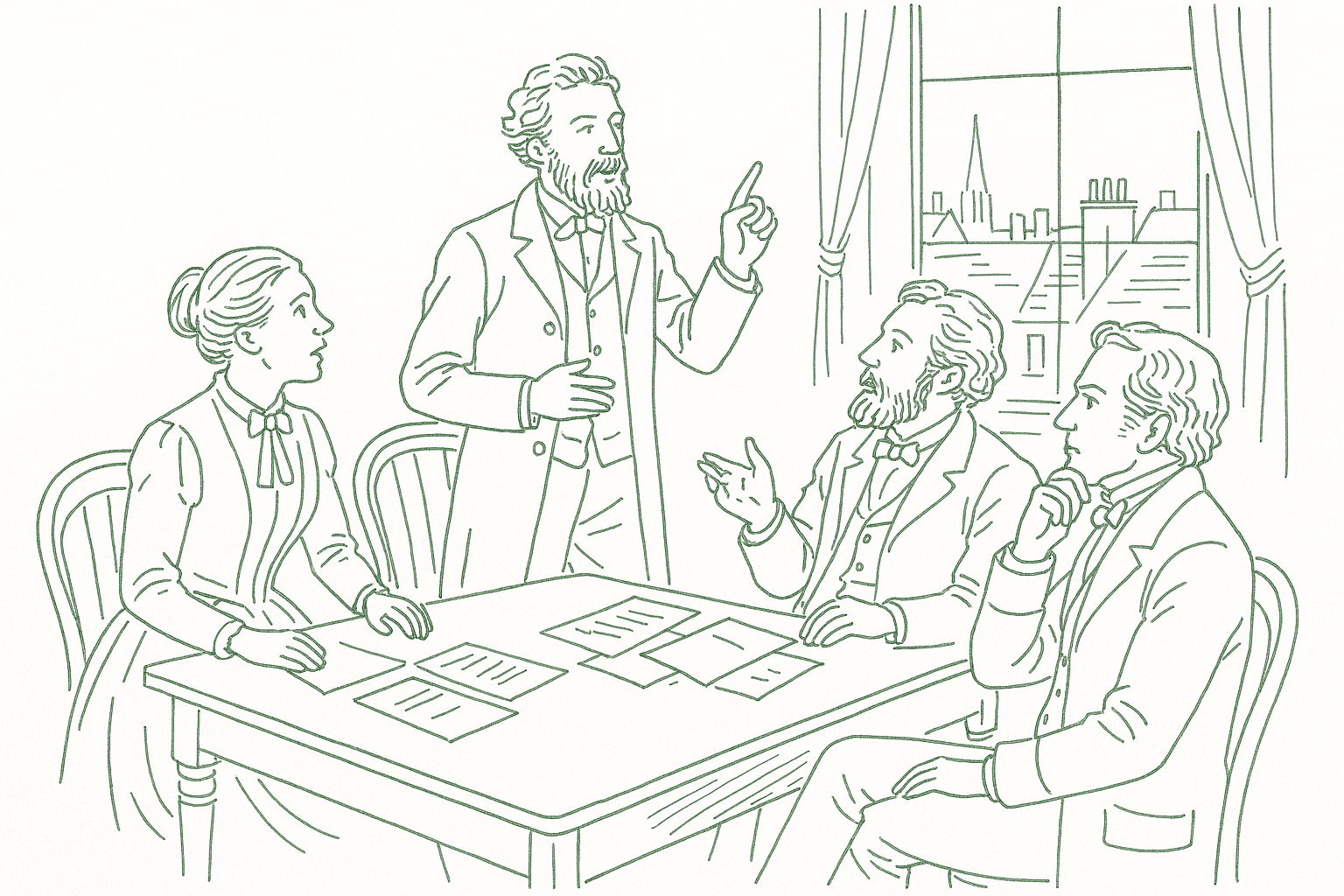
The Fabian Society: How a Small Intellectual Dinner Club Shaped Modern Government
In 1884, eleven people met in a London drawing room. Within two decades, they had founded the Labour Party, created the LSE, and redesigned the British state.
The Problem
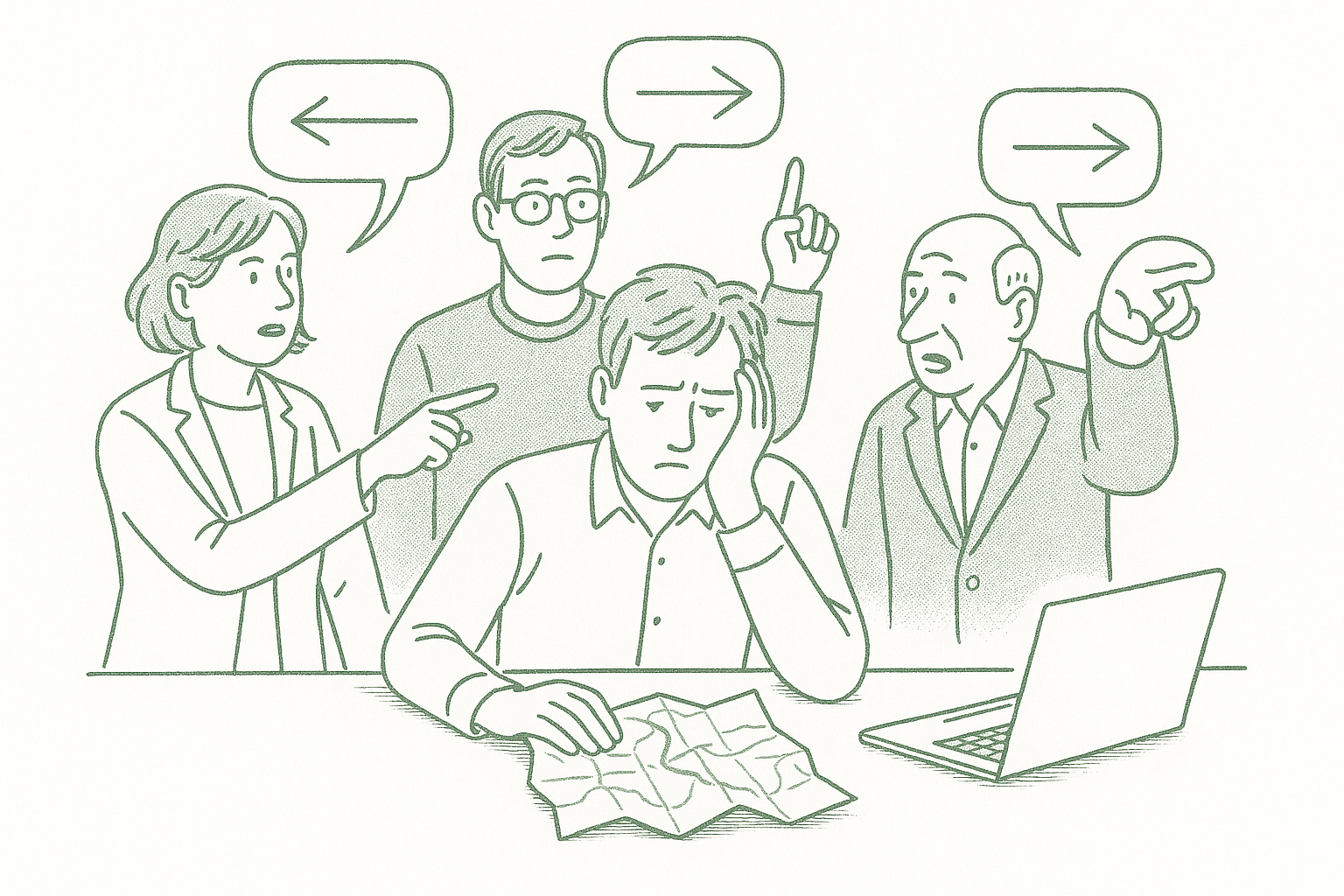
Why Most Founder Advice Doesn't Transfer (And What to Ask Instead)
Survivorship bias, tacit knowledge, and context collapse make most startup advice useless the moment it leaves the mouth of the person who lived it.
History & Proof
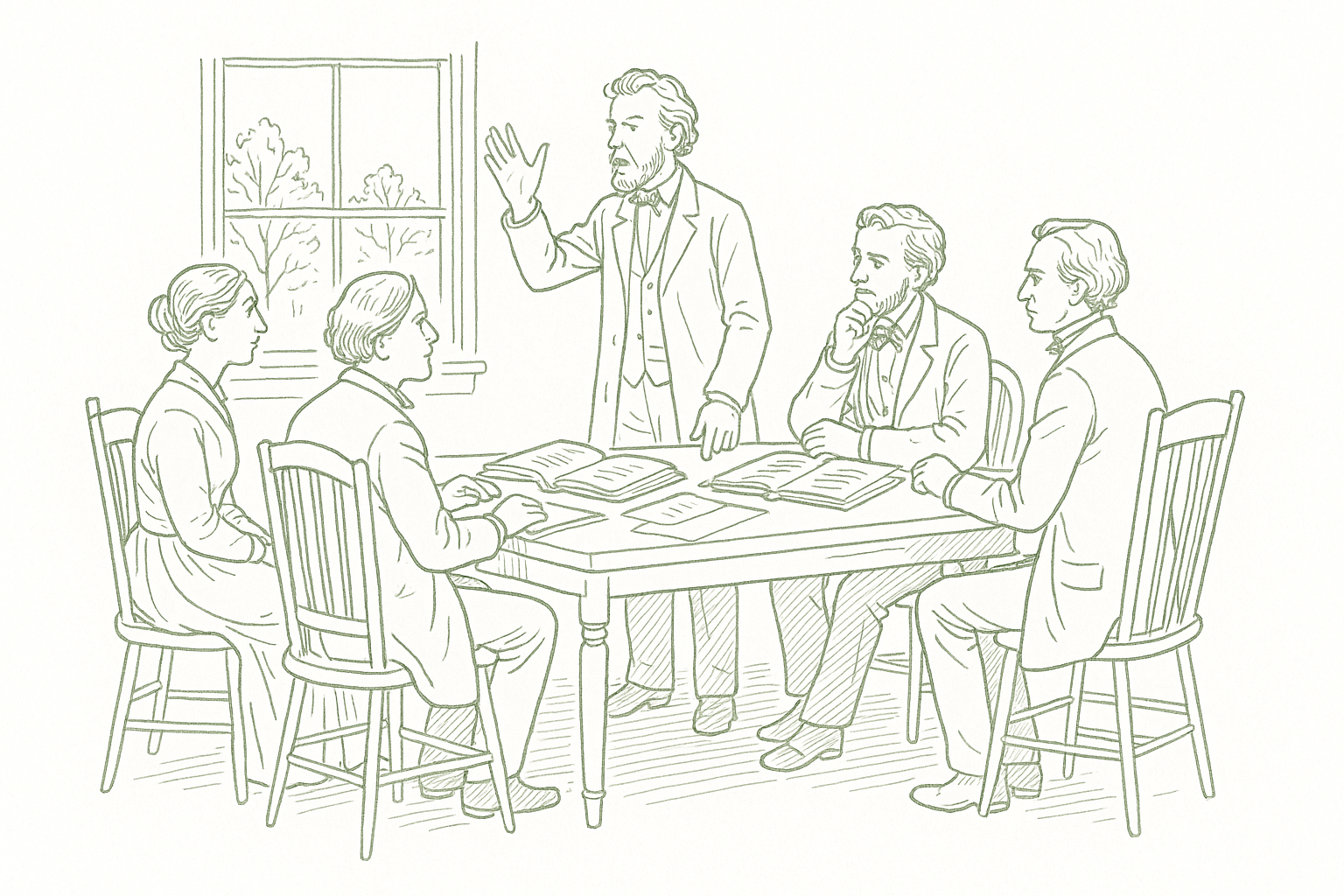
The Transcendentalists: How Emerson's Saturday Club Rewired American Philosophy
In 1836, four frustrated clergymen met in Boston and accidentally launched the most consequential intellectual movement in American history. None of it came from a single genius working alone.
Science & Research
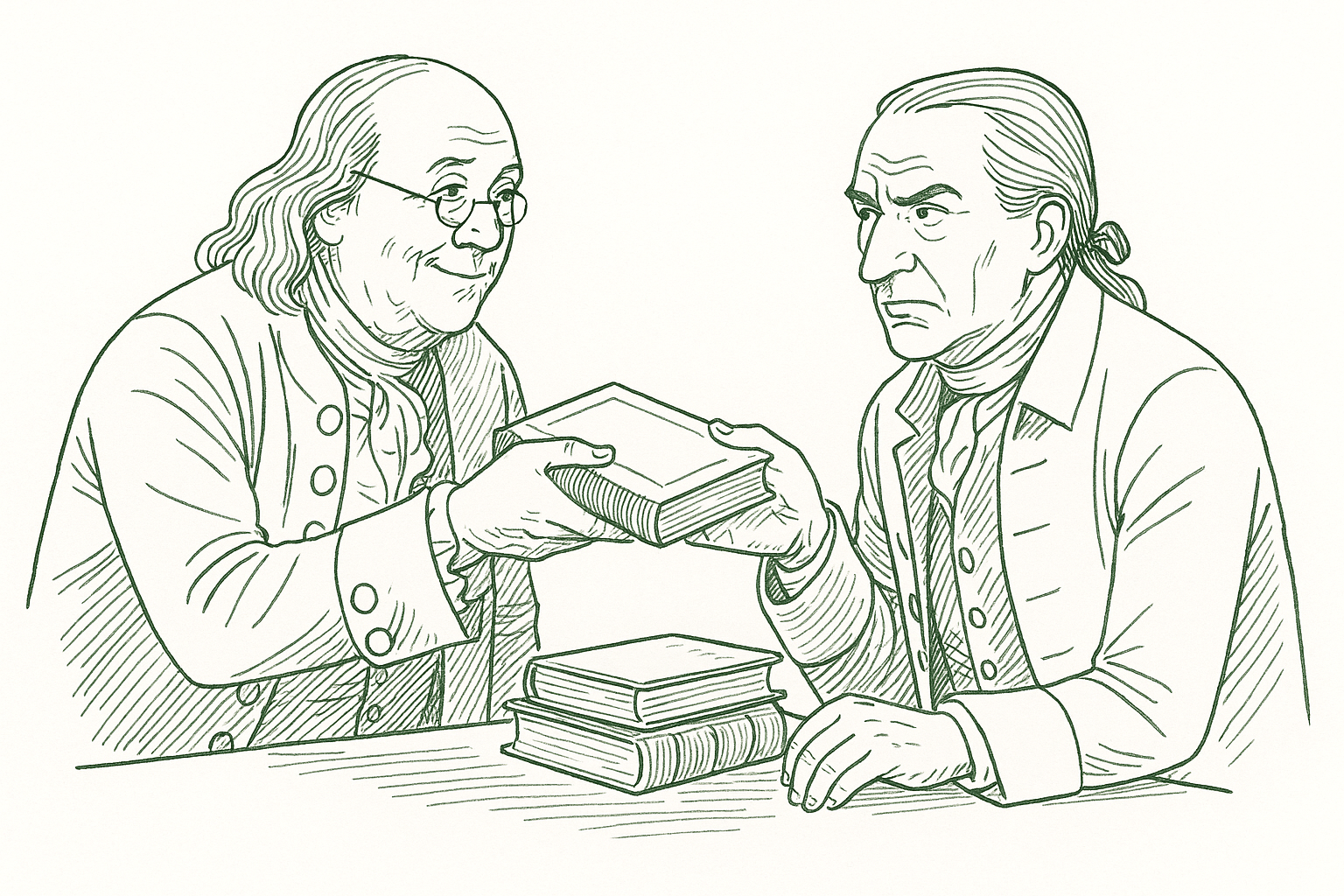
The Ben Franklin Effect: Why the Smartest Way to Build Trust Is to Ask for a Favor
A 1969 psychology experiment proved what Franklin knew in 1736: doing someone a favor makes you like them more. The mechanism is cognitive dissonance. And it explains why the best peer groups work.
History & Proof
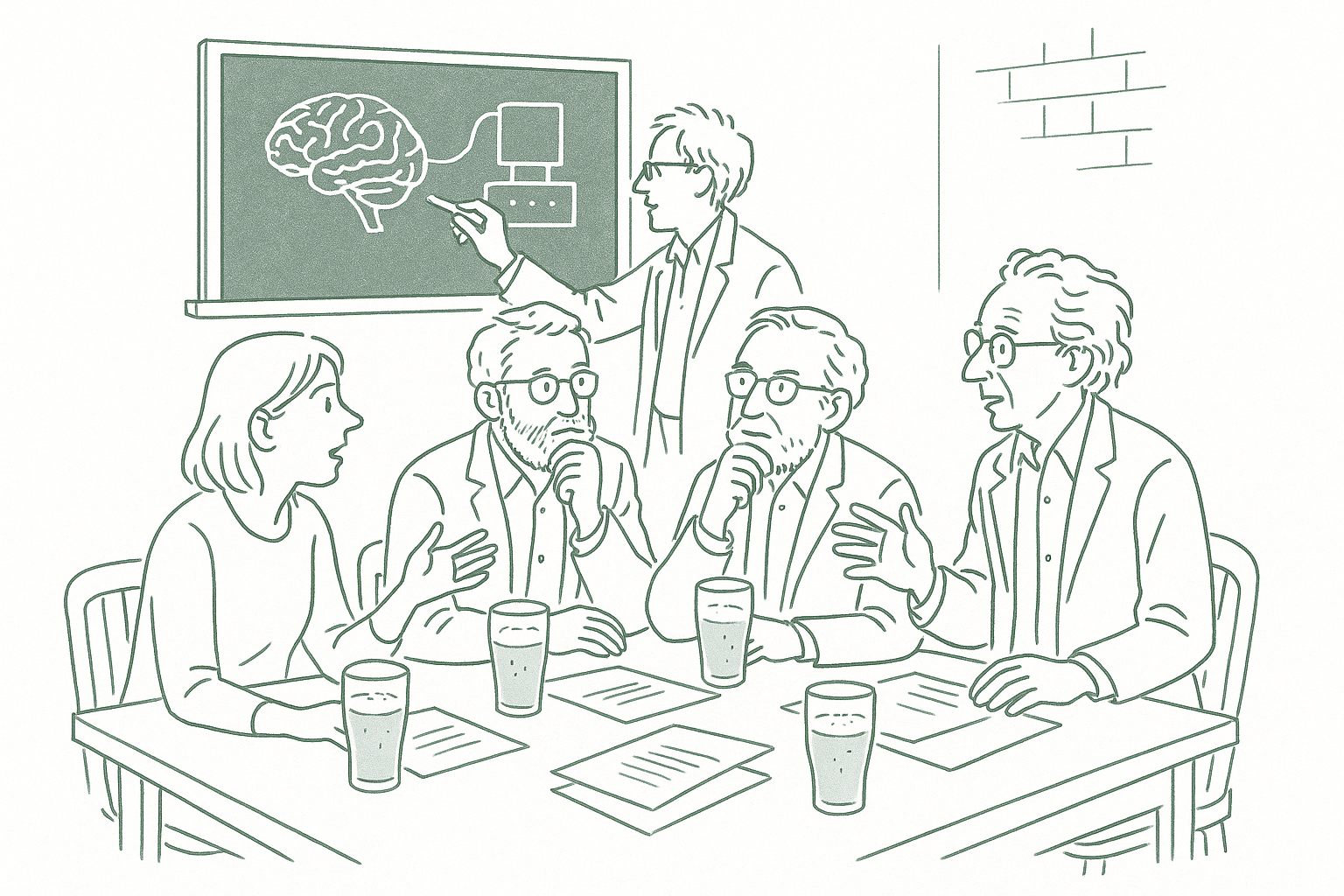
The Ratio Club: How Turing's Secret Dinner Group Invented Modern AI
Between 1949 and 1958, twenty-one young scientists met in a London basement to argue about whether machines could think. Their answers built the fields of AI, robotics, and computational neuroscience.
History & Proof
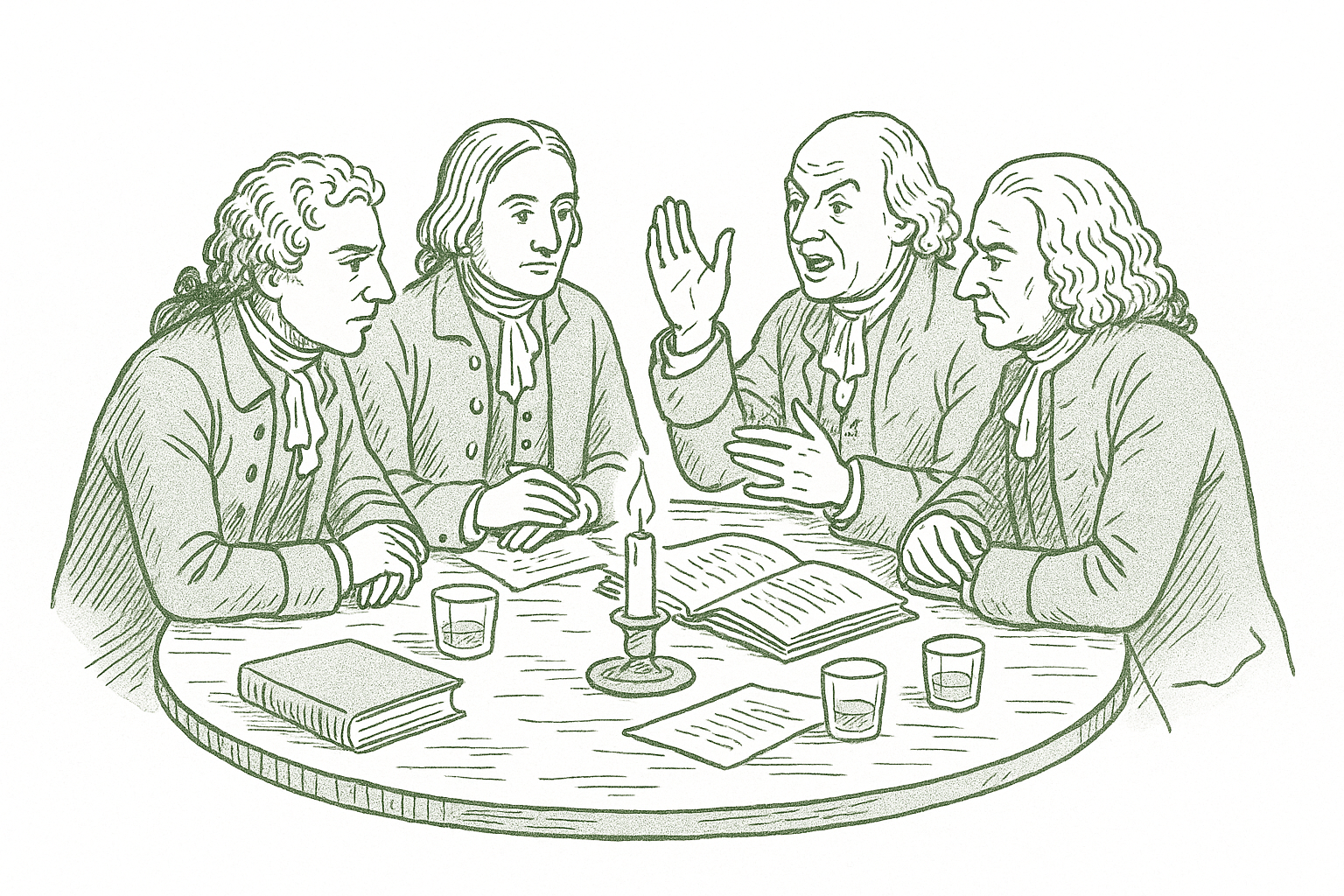
The Scottish Enlightenment: How Edinburgh's Dinner Clubs Invented the Modern World
In the mid-1700s, a city of 50,000 people produced modern economics, empirical philosophy, and the foundations of the Industrial Revolution. The secret was the clubs.
Concepts & Frameworks
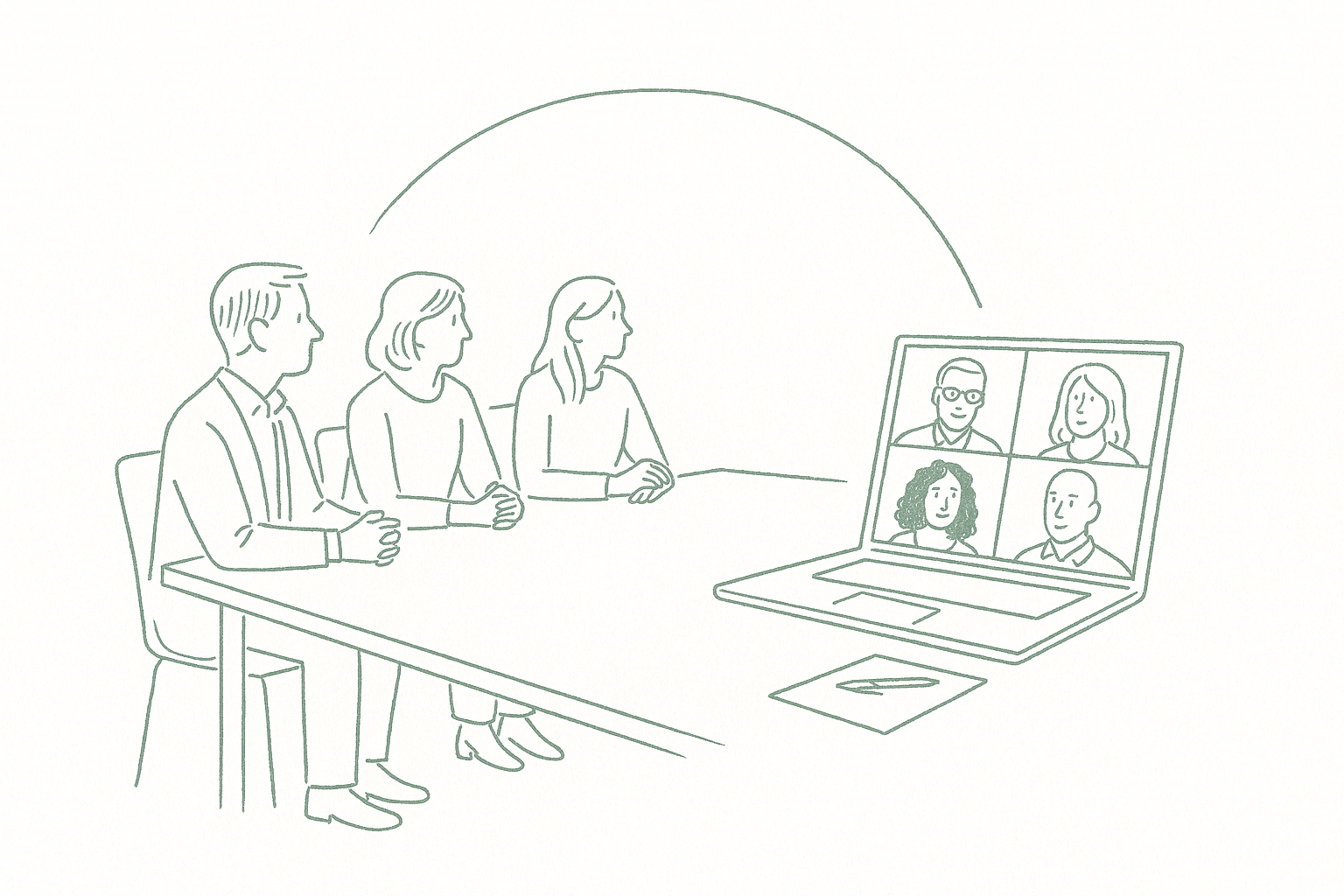
Online vs. In-Person Mastermind Groups: Which Format Actually Works?
Research shows trust builds faster face-to-face, but virtual peer groups produce equivalent outcomes when structured correctly. The format matters less than the structure.
Masterminds for X
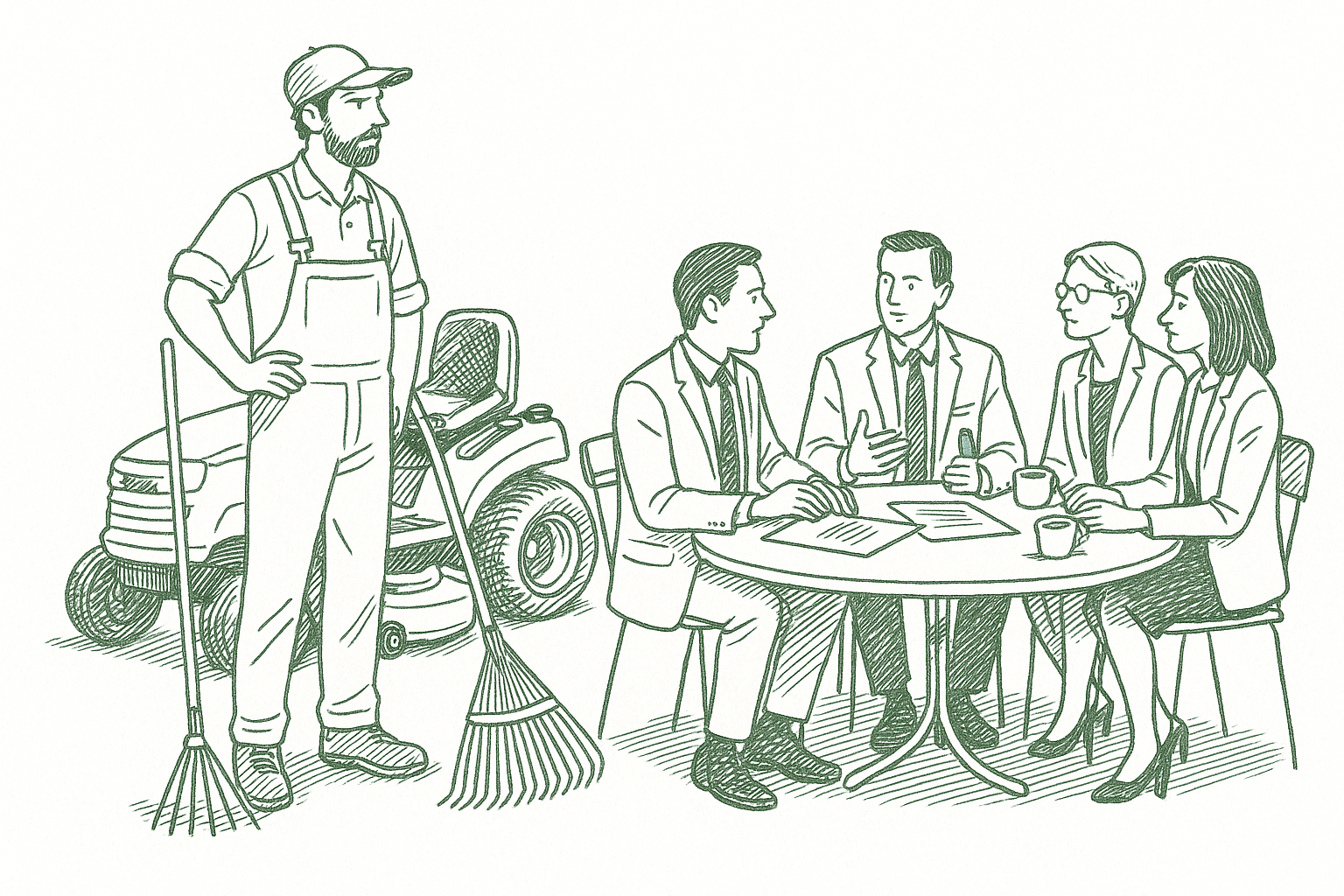
Mastermind Groups for Landscapers: Why the Best Businesses Grow Outside the Yard
The U.S. landscaping industry generates $189 billion in annual revenue across 642,000 businesses, yet average profit margins just dropped to 17%.
Science & Research
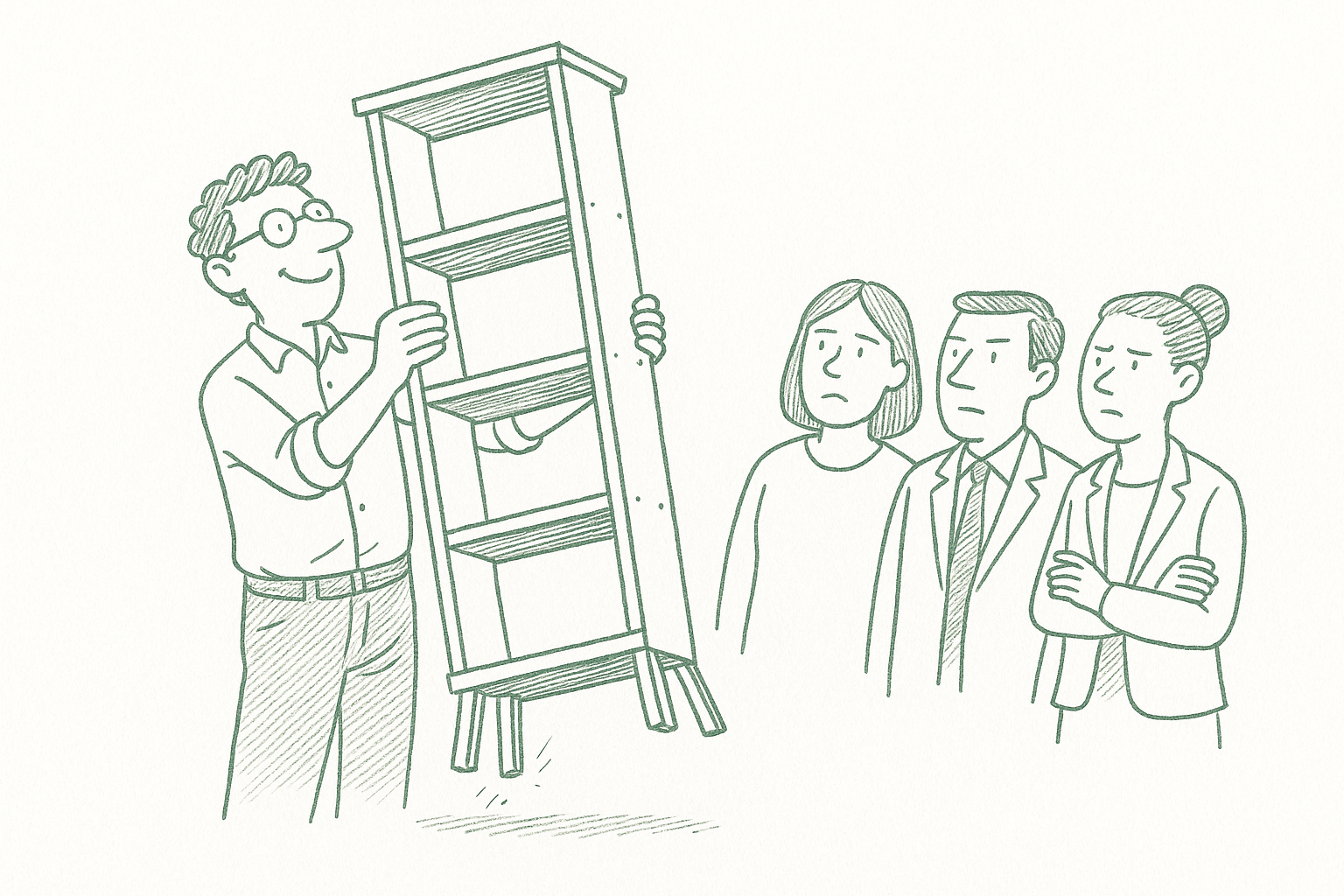
The IKEA Effect: Why Founders Can't See What's Wrong With Their Own Ideas
Harvard research shows people value things they built 63% more than identical things built by others. For founders, this bias kills companies.
Masterminds for X
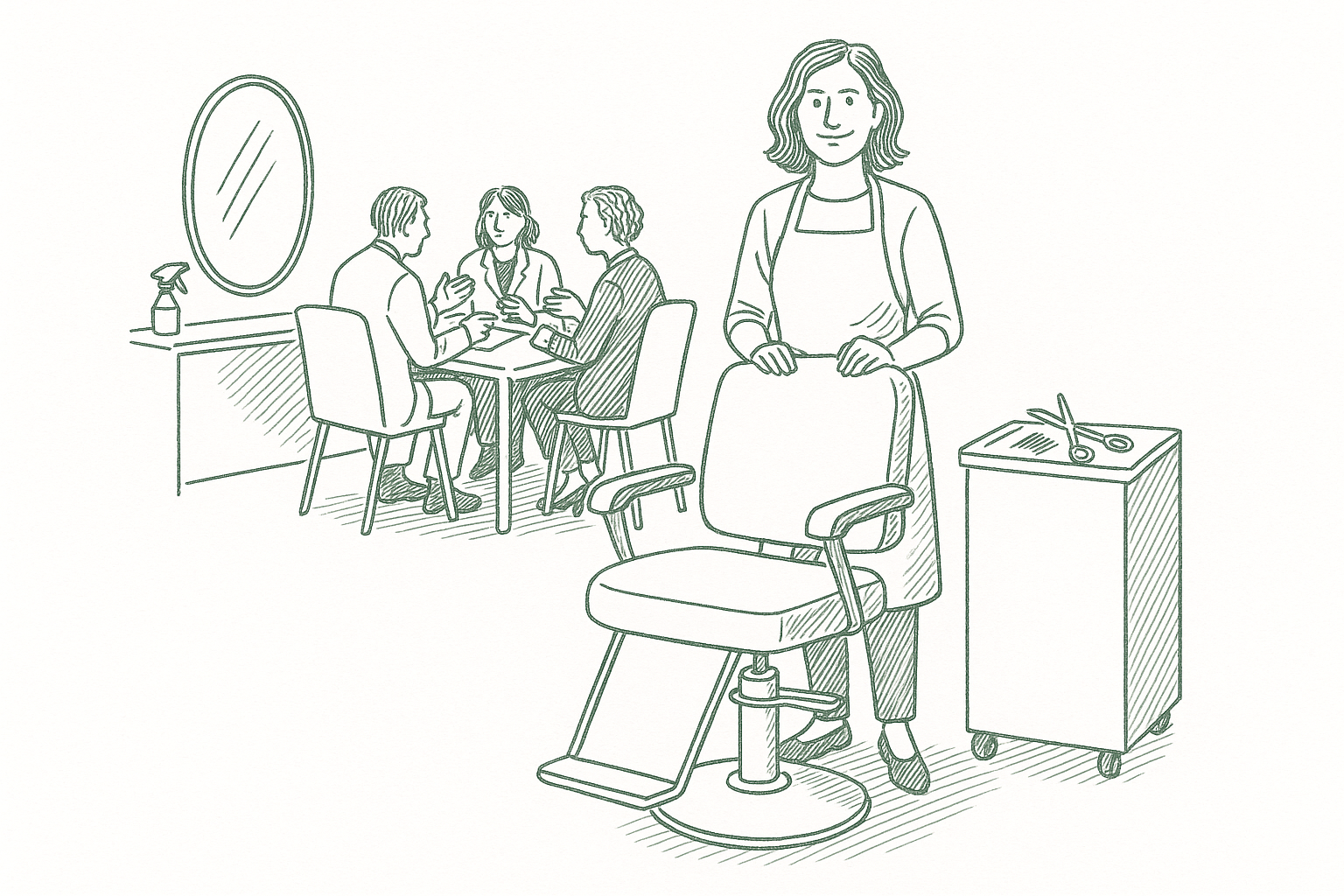
Mastermind Groups for Salon and Spa Owners: Why the Best Beauty Businesses Are Built Outside the Chair
The U.S. hair salon industry is a $63 billion market, yet half of all salons fail within five years. The owners who survive share a common trait.
History & Proof
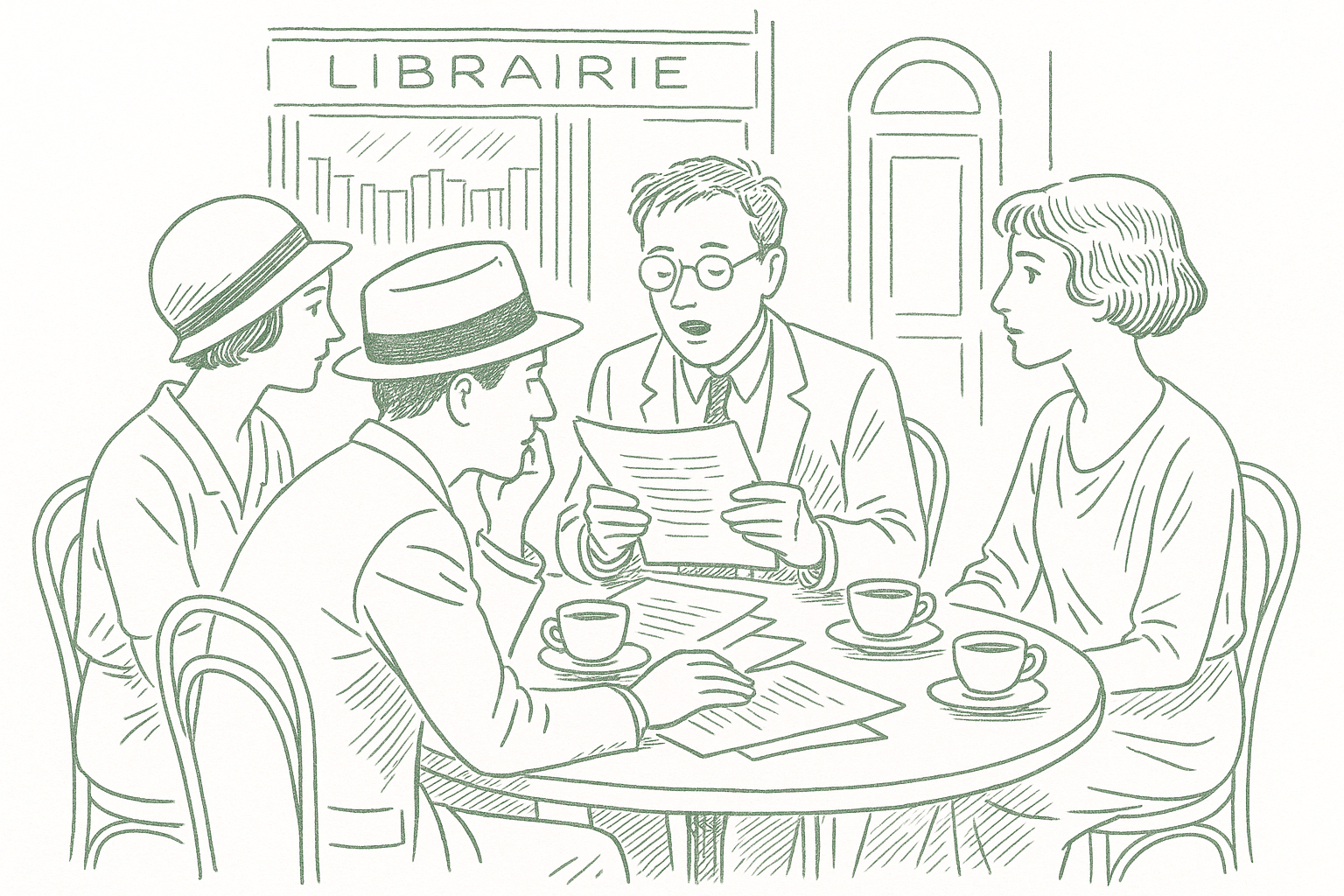
The Lost Generation: How a Group of Exiles in Paris Wrote the 20th Century
In the 1920s, a handful of broke American writers gathered in Paris cafés and bookshops, edited each other's manuscripts, and produced the defining literature of the modern era.
Concepts & Frameworks
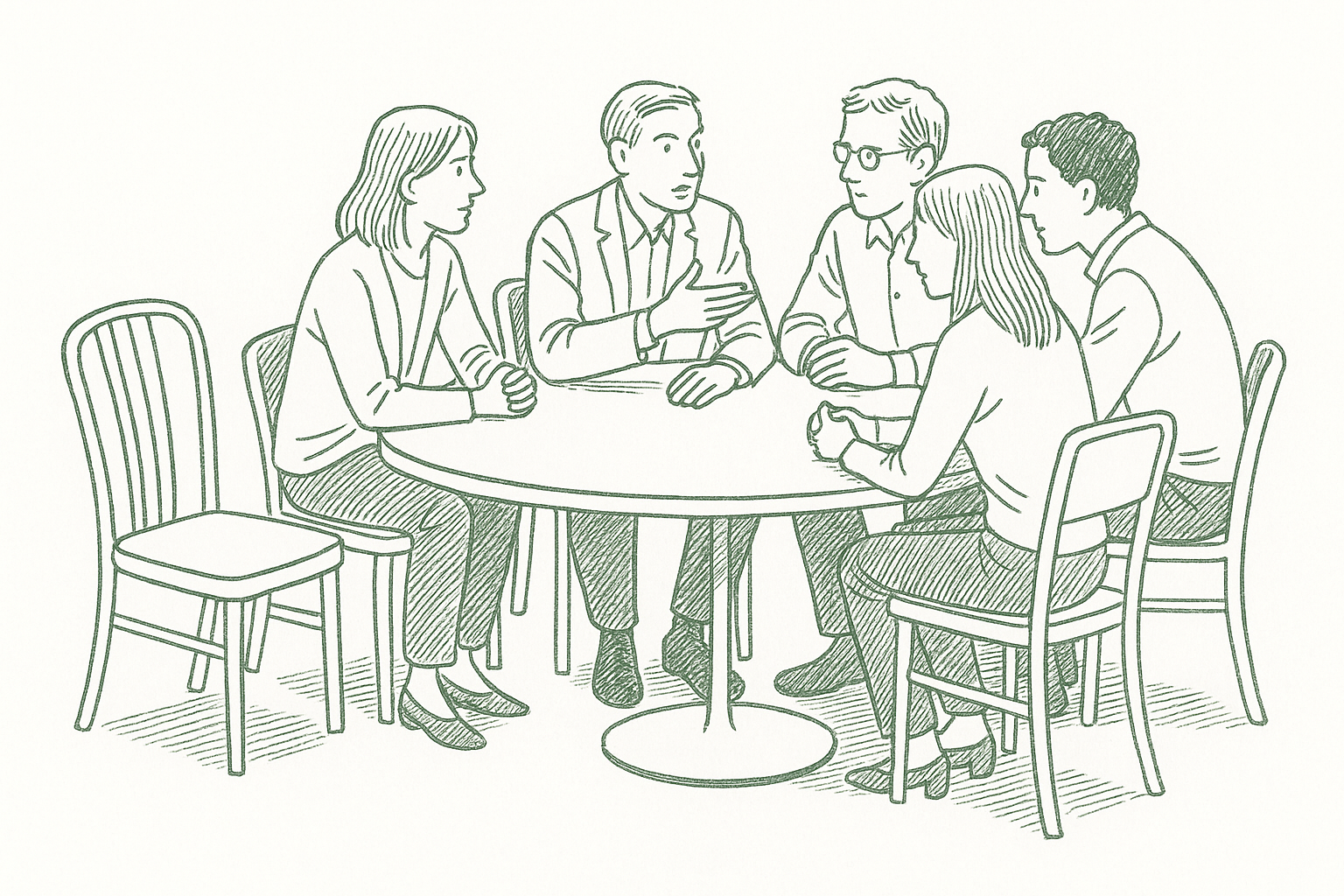
How to Start a Mastermind Group That Actually Lasts
Most mastermind groups die within 90 days. The ones that last share five structural decisions made before the first meeting.

Masterminds for X
Mastermind Groups for Mortgage Brokers: Why the Best Loan Officers Don't Close Alone
Over 220,000 loan officers work on commission-only income tied to rate swings they cannot control. The ones who consistently outperform work in structured peer groups.
Science & Research
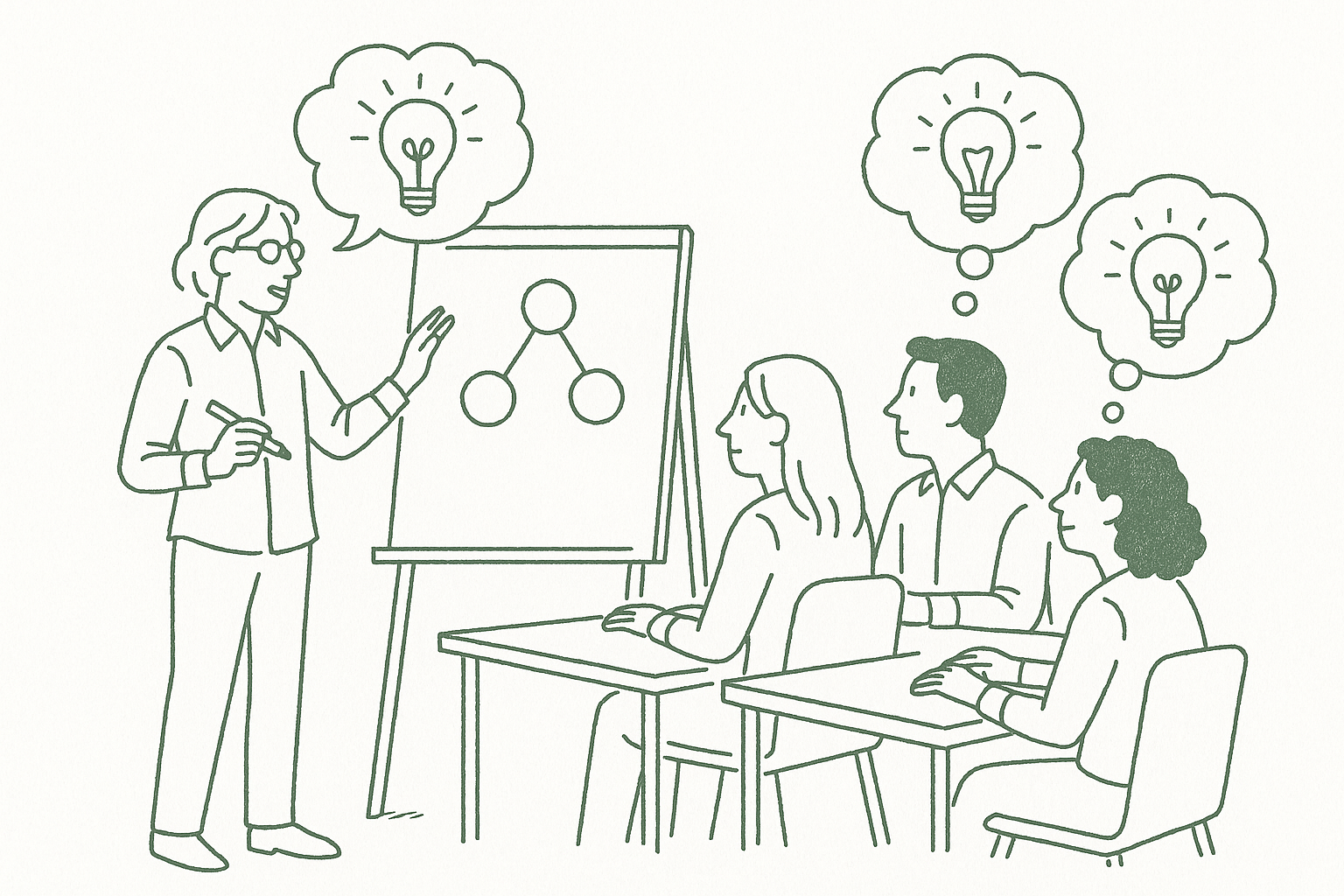
The Protégé Effect: Why the Best Way to Solve Your Problem Is to Help Someone Else Solve Theirs
Research shows people who teach others learn more deeply than those who study alone. In peer groups, helping someone else sharpens your own judgment.
Masterminds for X
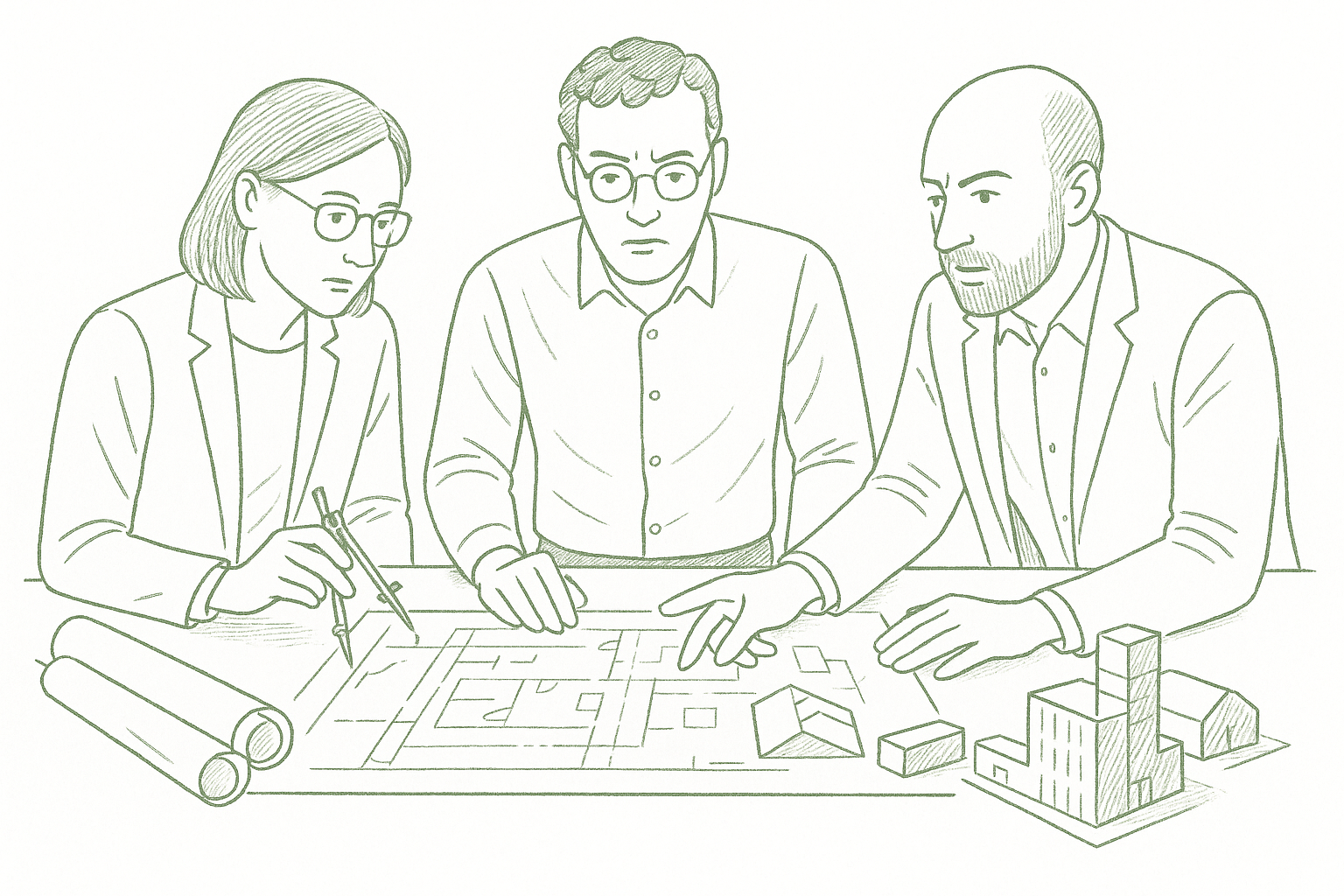
Mastermind Groups for Architects: Why the Best Firms Are Designed Outside the Studio
Seventy-five percent of architecture firms have fewer than ten employees. The ones who join peer groups stop undercharging and start making better business decisions.
History & Proof
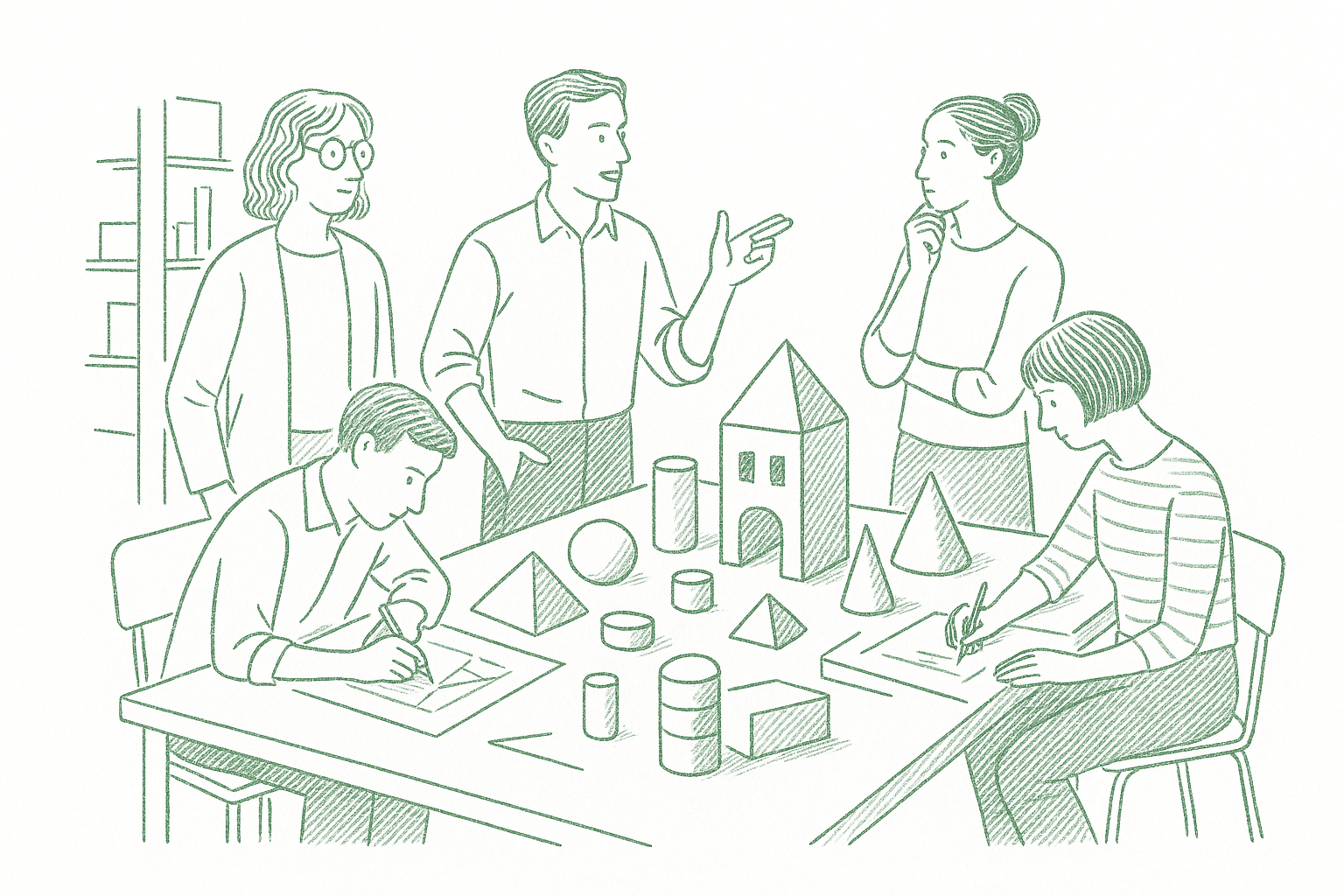
The Bauhaus: How a Tiny School of Misfits Redesigned the Modern World
Fourteen years. Three cities. Never more than 200 students. The most consequential design school in history ran on structure, not genius.
Masterminds for X
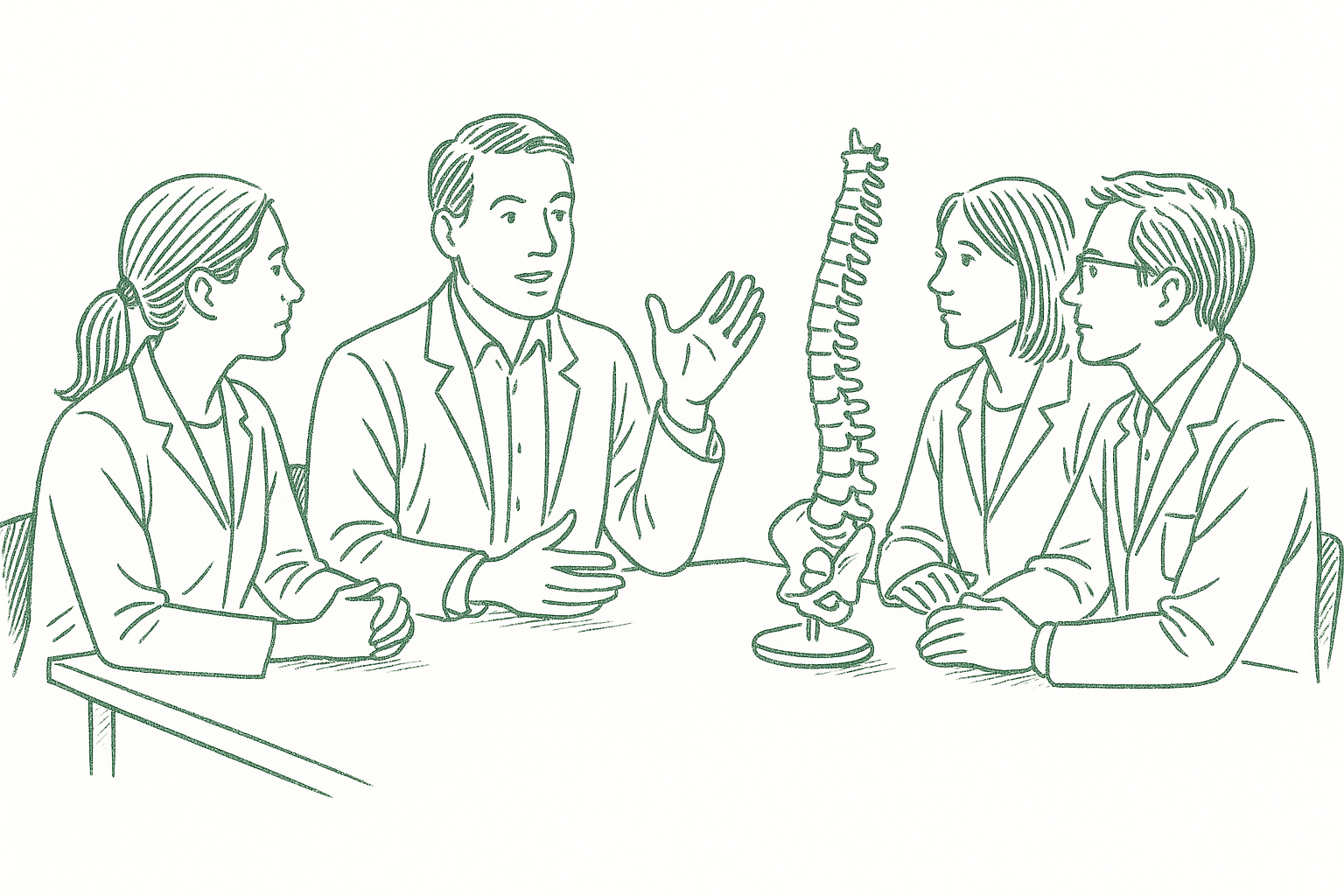
Mastermind Groups for Chiropractors: Why 70% of Solo Practitioners Are Solving the Wrong Problems Alone
They trained to fix spines, not run businesses. The ones who join peer groups stop guessing and start benchmarking.
Science & Research
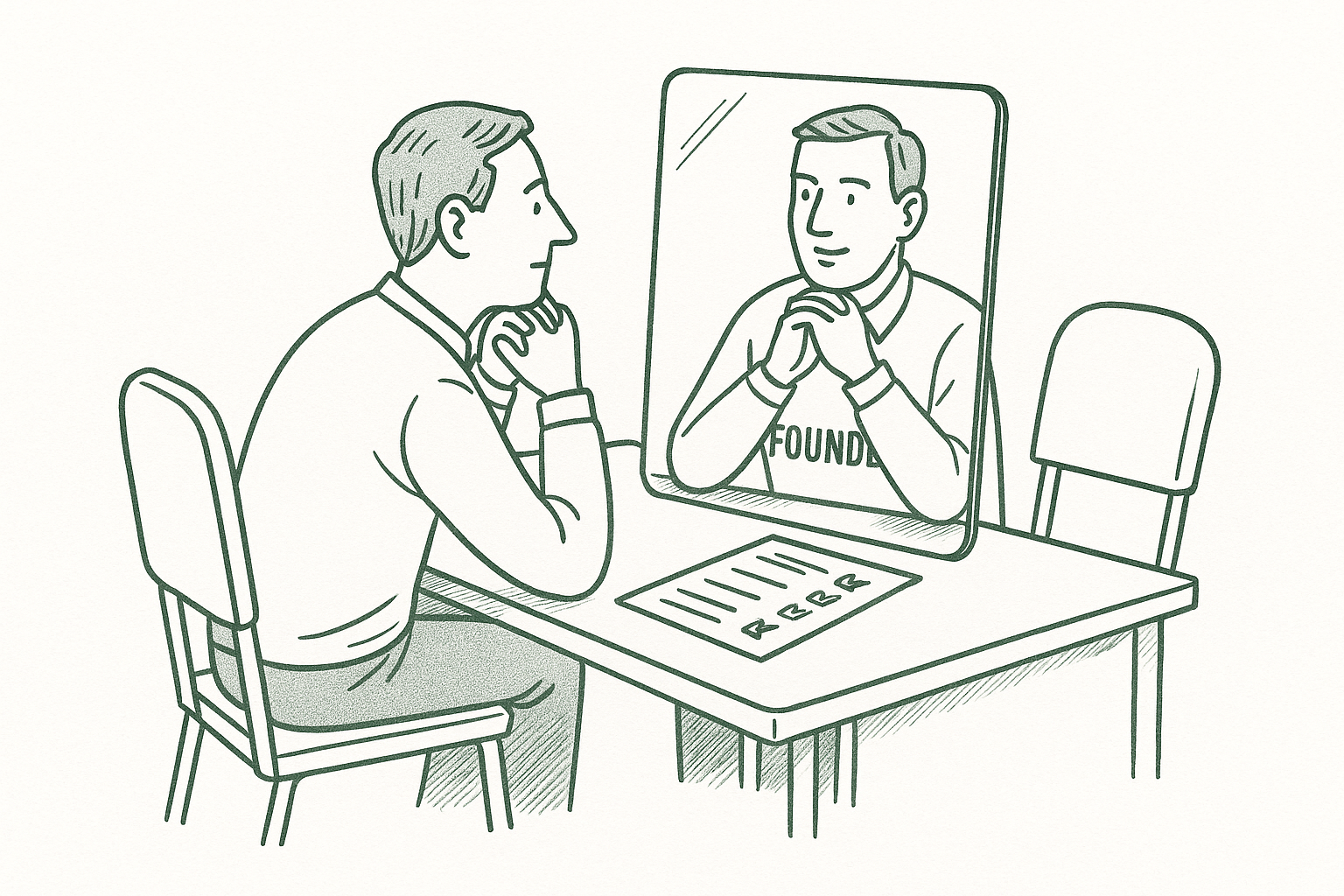
Accountability for Founders: The Only Structure That Works Has No Boss
Personal discipline tools treat symptoms. The structural solution is a small, recurring peer group matched to your current problem.
The Problem
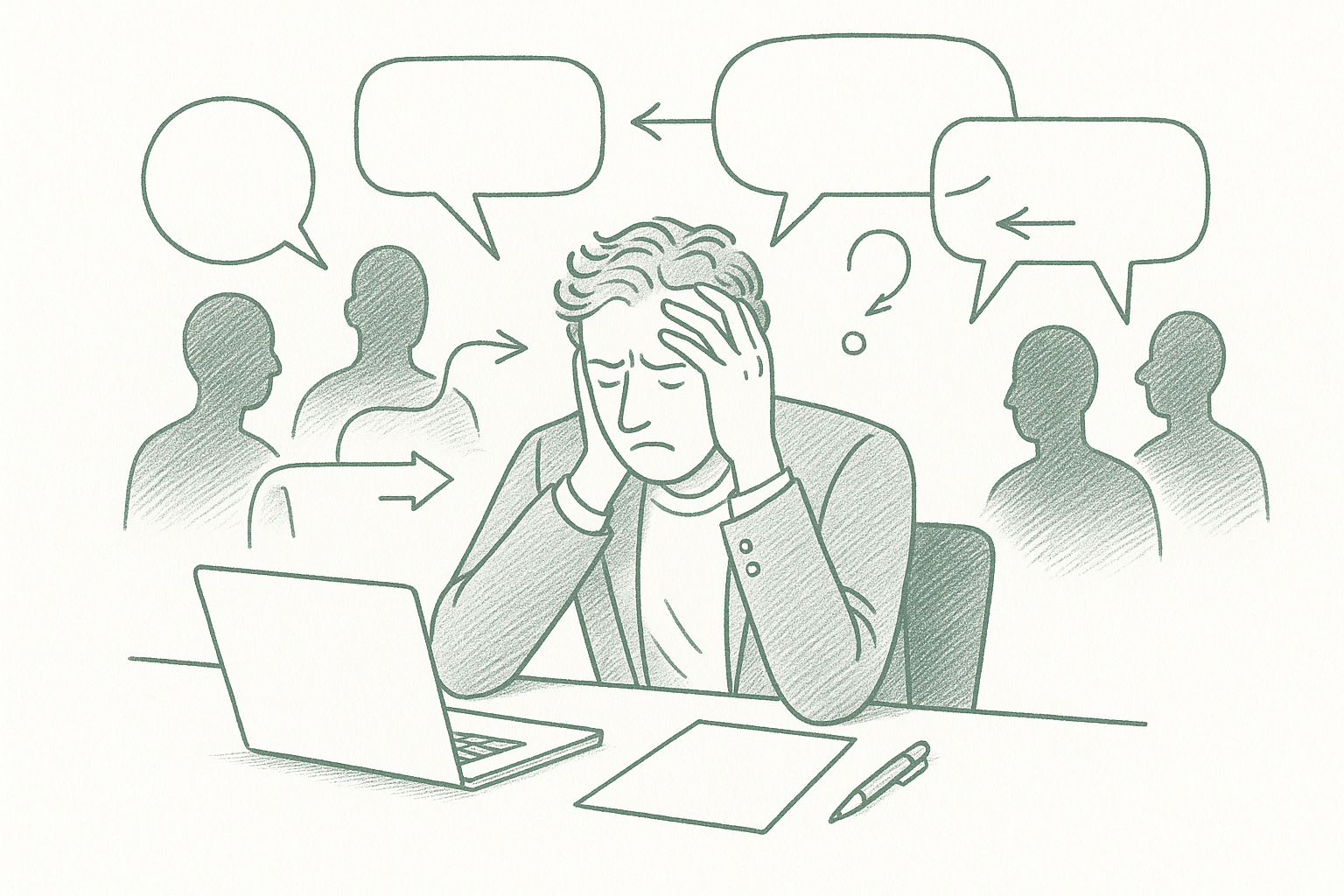
The Advice Paradox: Why the People Closest to You Give the Worst Business Advice
Your spouse, your best friend, and your former boss all want to help. Research shows the people who care most are structurally incapable of giving you the advice you need.
Science & Research
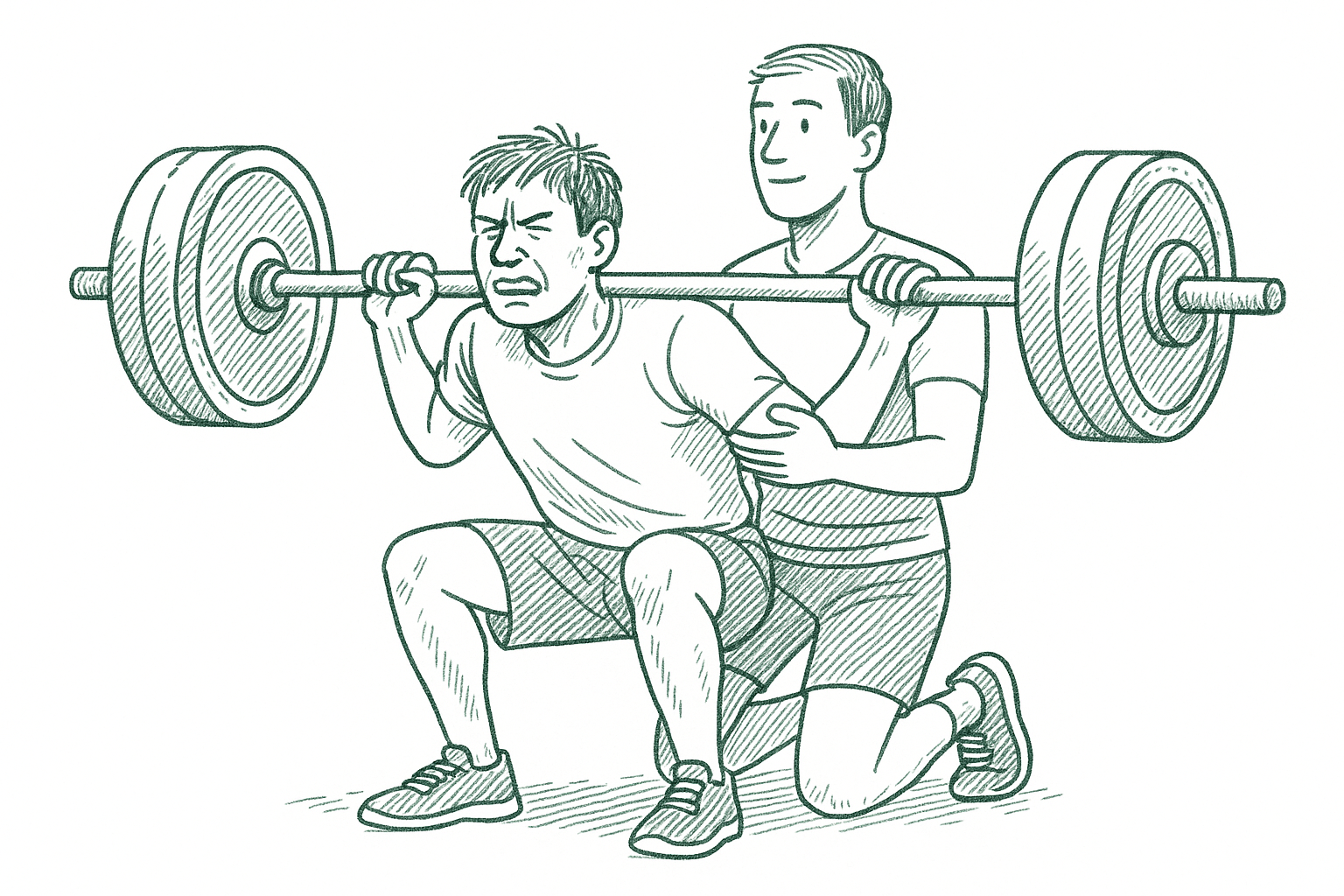
The Köhler Effect: Why You Actually Work Harder When Someone's Counting on You
In the 1920s, a German psychologist discovered that people work harder in small groups than alone — but only under specific conditions. The science of why the right peer group makes you better.
Concepts & Frameworks
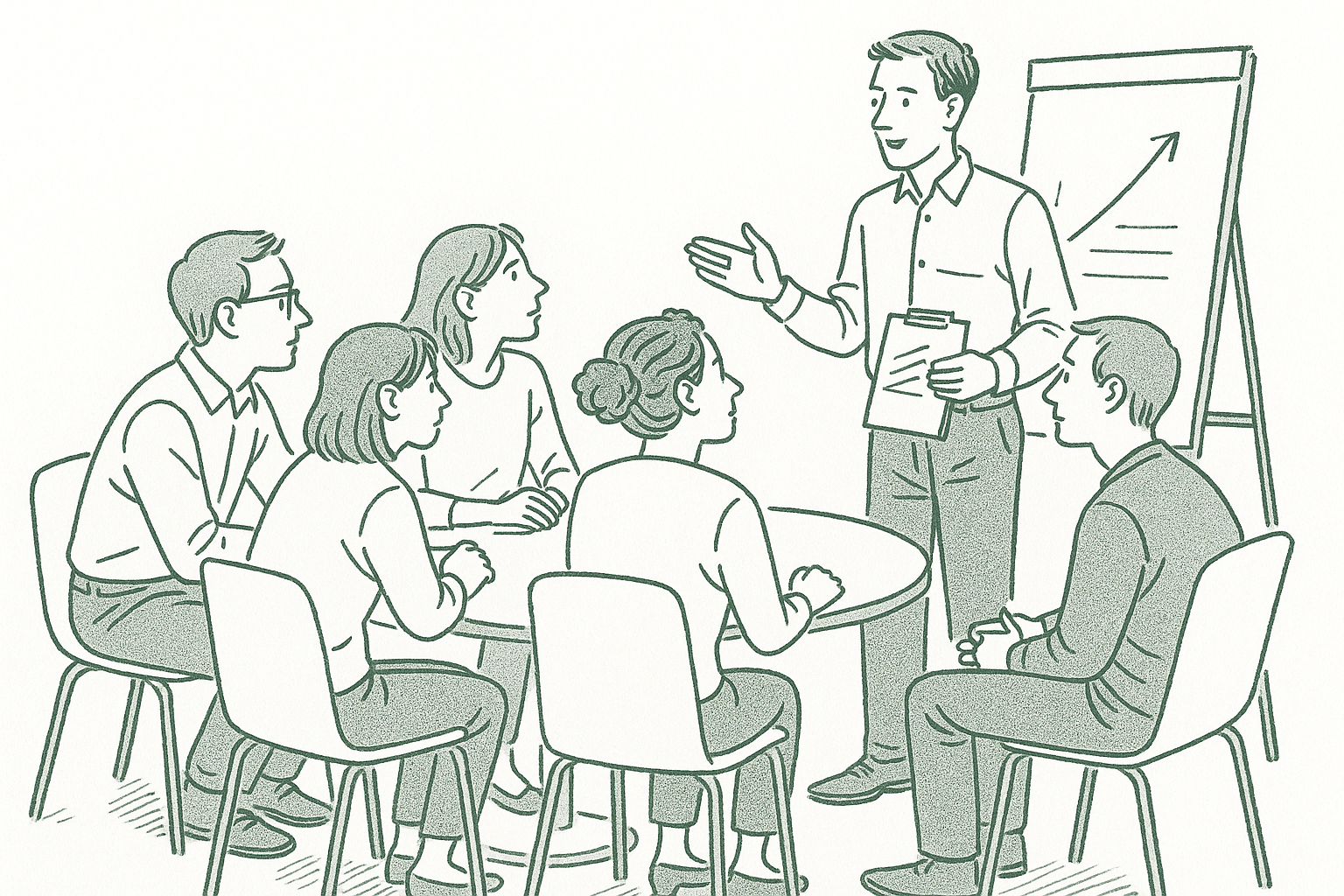
What Actually Happens in a Mastermind Meeting (And Why It Works)
A small group meets. One person presents a real problem. The group helps solve it. Then someone asks if you did what you said you would. Here's the format, step by step.
Concepts & Frameworks
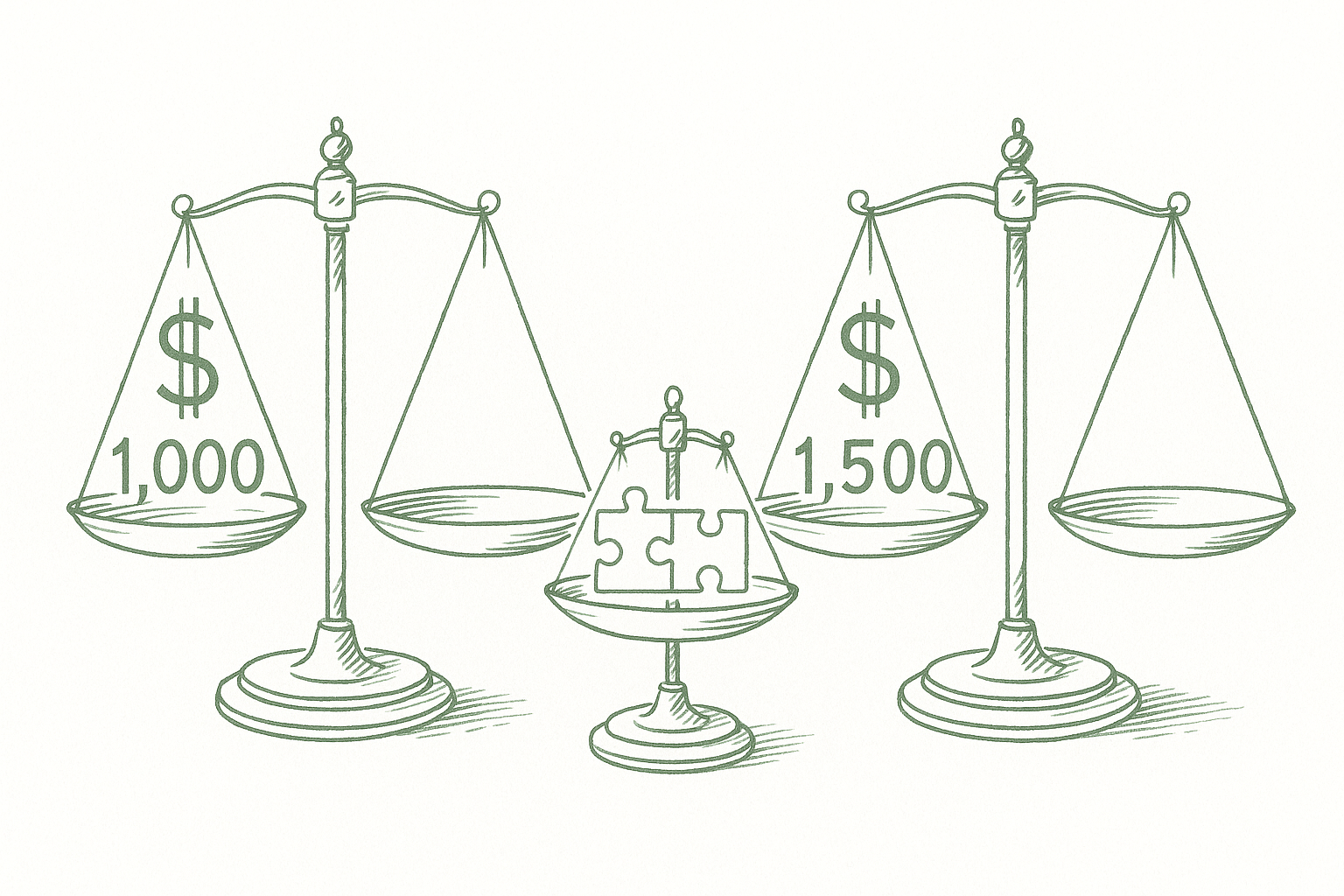
EO vs. Vistage: Both Match by Revenue. Neither Matches by the Problem You're Actually Solving.
EO requires $1M+ revenue. Vistage requires $5M+. Both give you peers at your stage. Neither gives you peers solving your problem. Here's what that distinction means.
Concepts & Frameworks
Why Most Mastermind Groups Fail (And What the Good Ones Do Differently)
The reasons are predictable: wrong people, no structure, fake accountability. Research on group dynamics explains what separates groups that produce outcomes from social clubs.
Science & Research
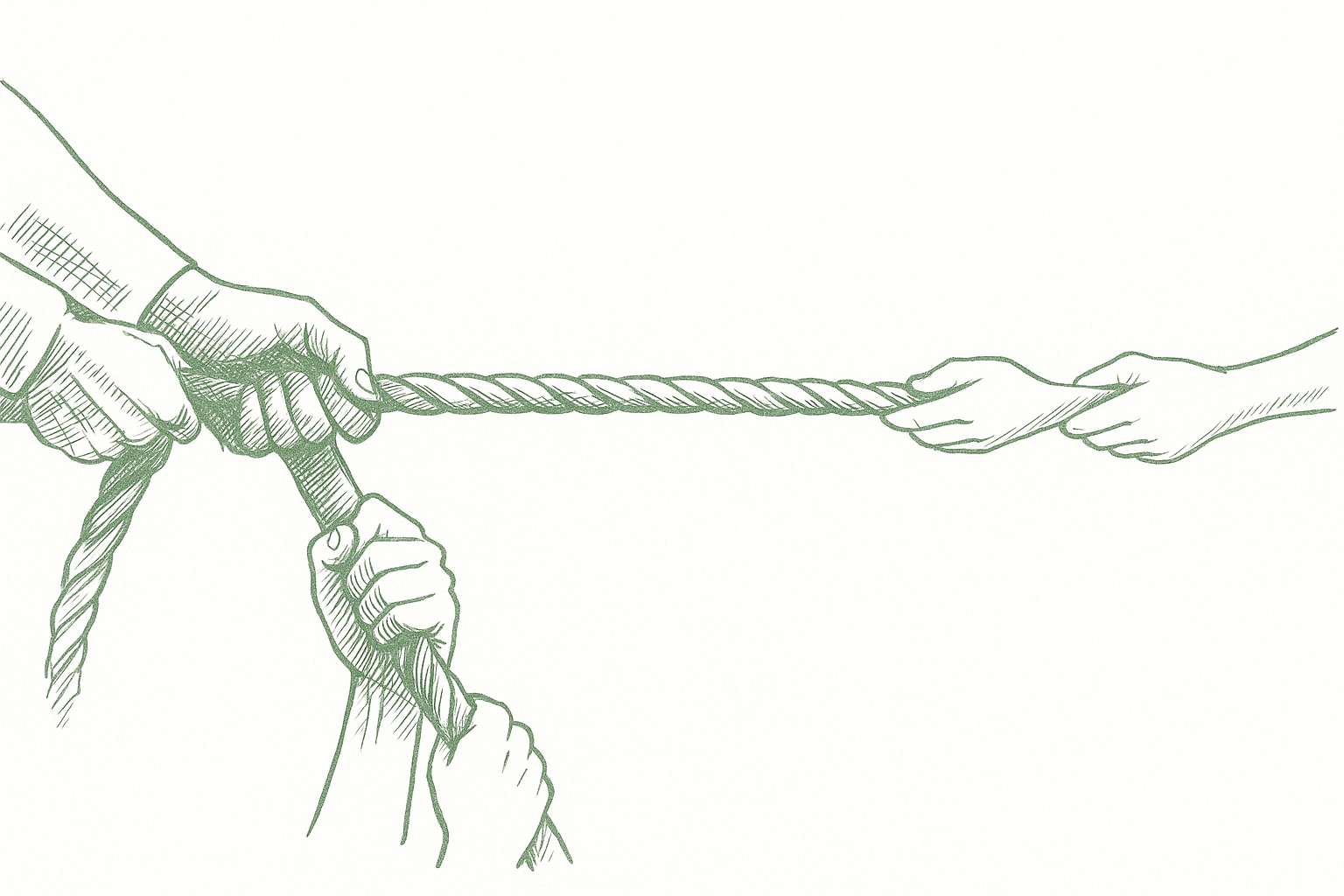
The Ringelmann Effect: Why Adding More People Makes Groups Worse
A French engineer discovered that people pull harder alone than in groups. A century of research confirms it. The science explains why the best peer groups stay small.
Concepts & Frameworks
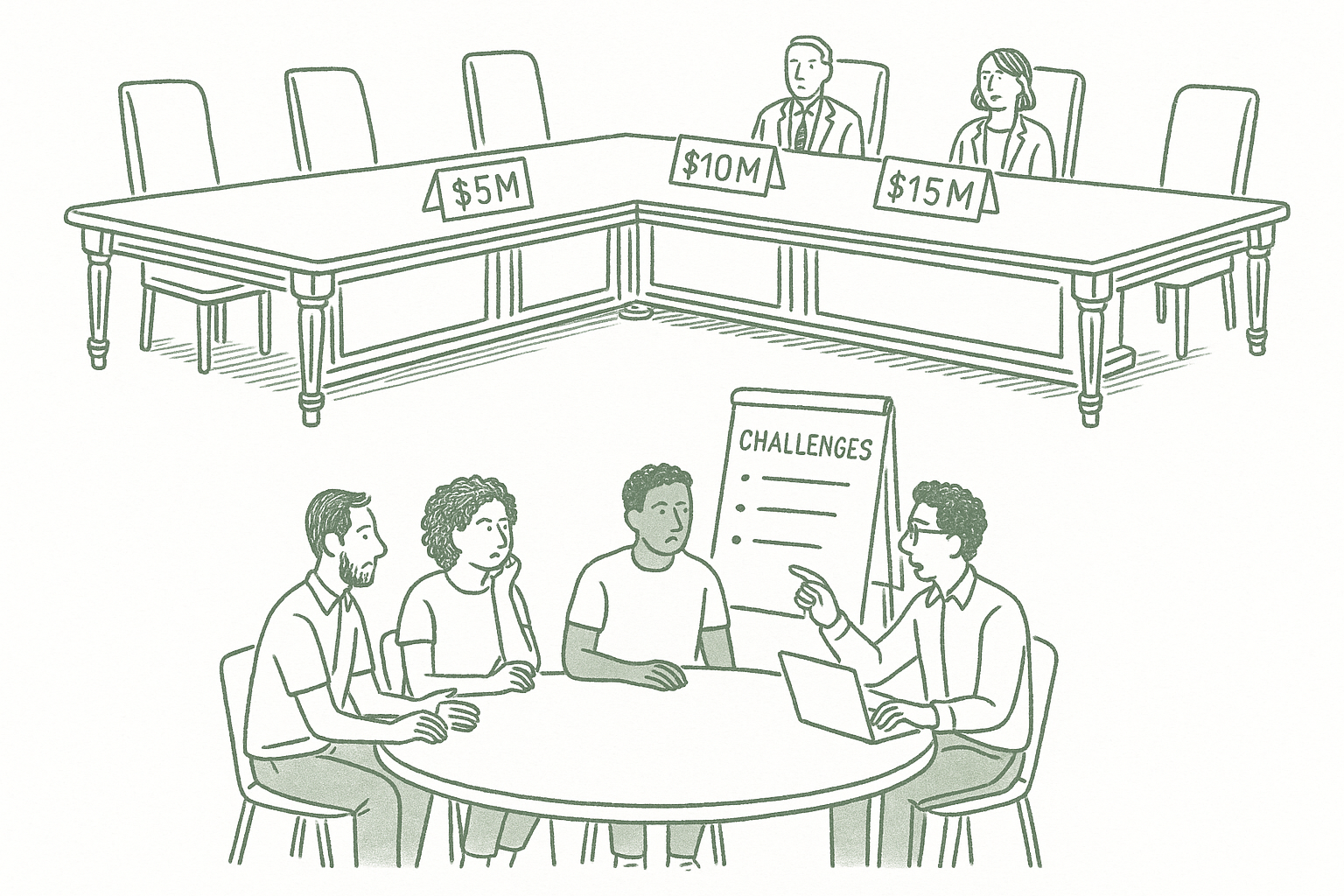
The Vistage Alternatives That Match You by Problem, Not Revenue
Vistage, EO, YPO, TAB, and Hampton all gate membership by revenue or title. None match by problem. A newer category does.
History & Proof
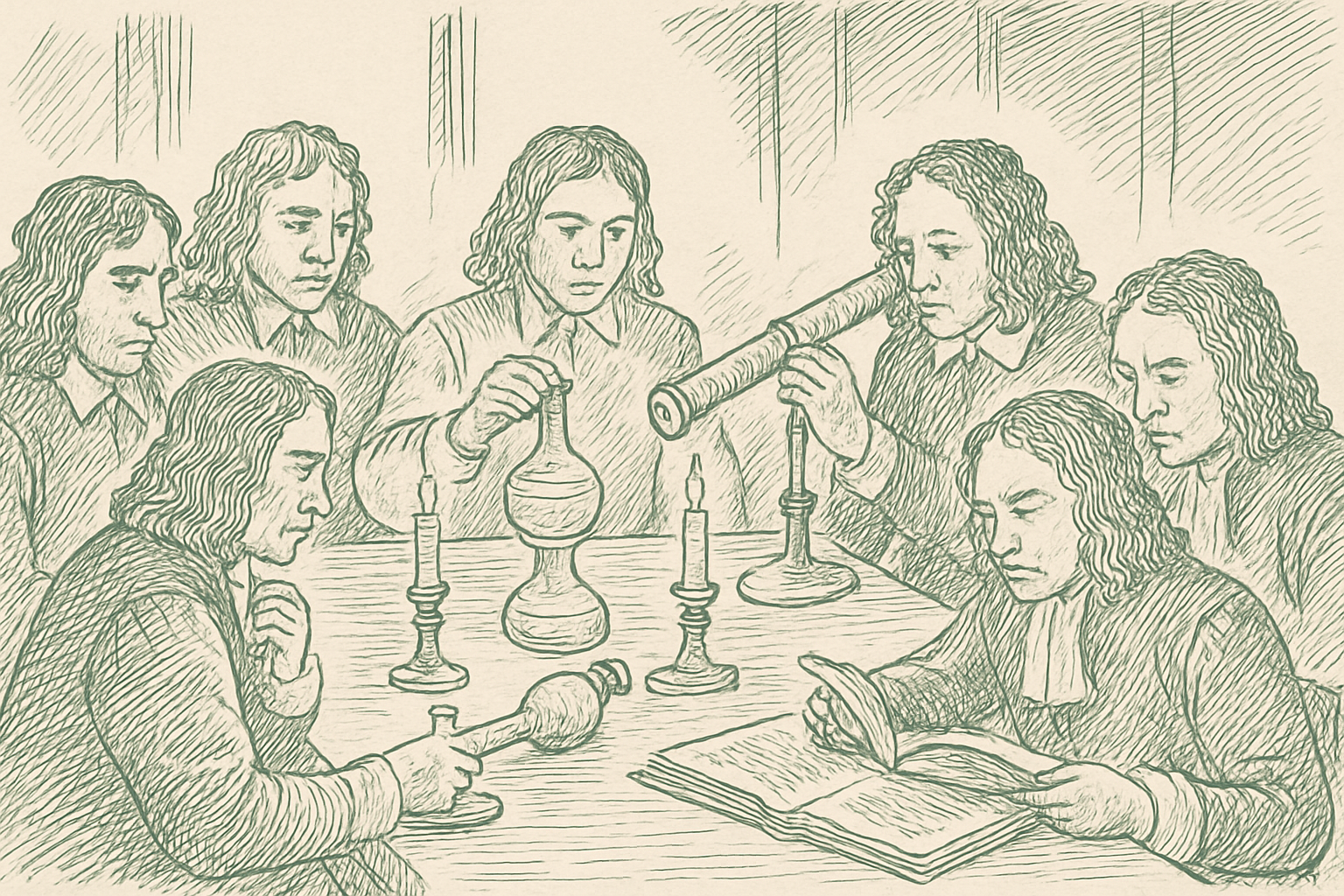
The Royal Society: How a Weekly Meeting Launched the Scientific Revolution
Twelve men stayed after a lecture and decided to build a system for testing truth. They invented peer review, published the first scientific journal, and created the infrastructure behind modern science.
Masterminds for X
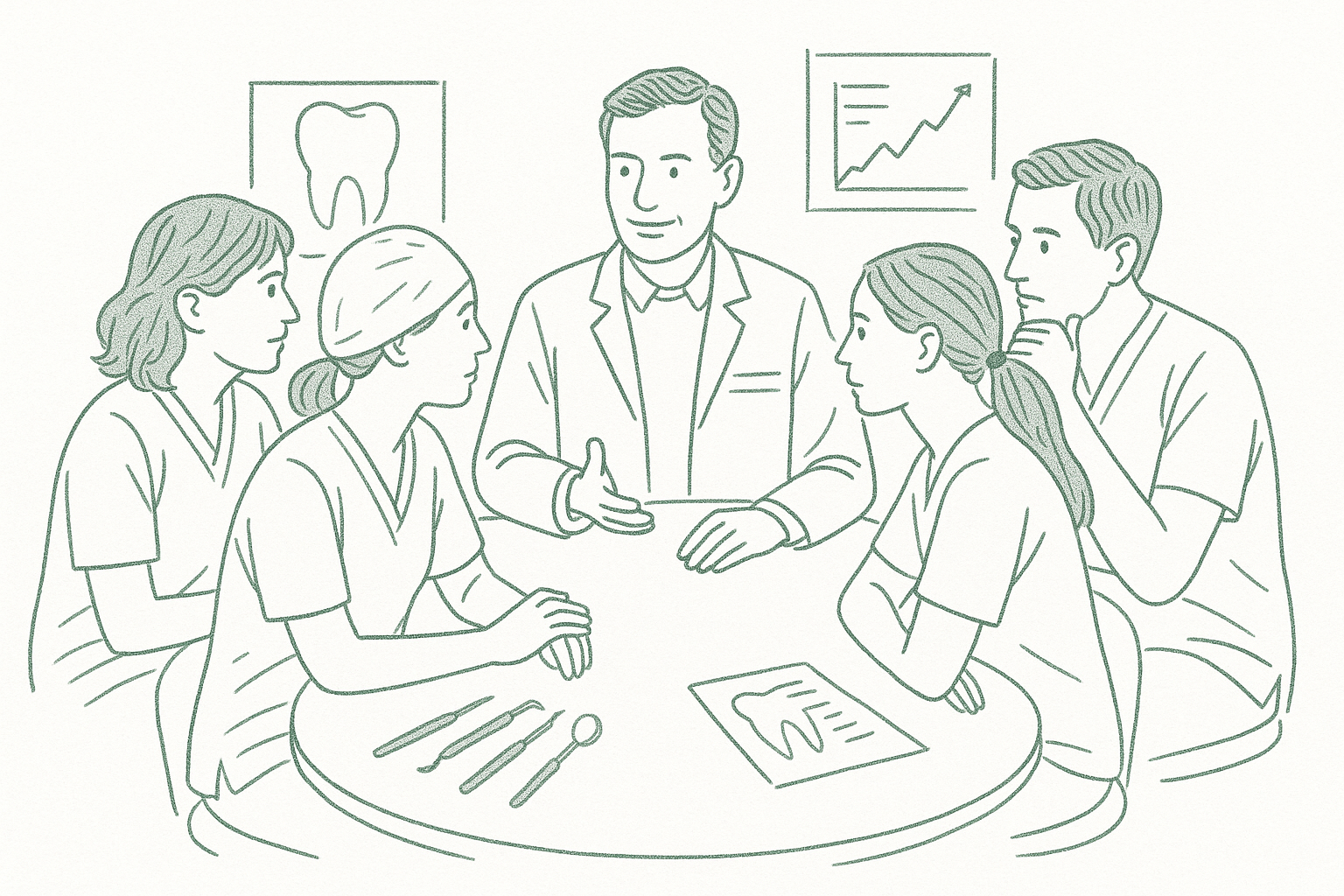
Mastermind Groups for Dentists: Why the Best Practices Are Built Outside the Operatory
Shrinking margins, staffing crises, and insurance headaches. The smartest practice owners are solving them together.
Concepts & Frameworks
Why Vistage Matches by Revenue — and What to Join If Your Problem Doesn't Fit a Revenue Bracket
Vistage, EO, and YPO all screen by revenue or title. If your real challenge is execution or scaling, your revenue bracket doesn't predict who the right peers are.
Masterminds for X
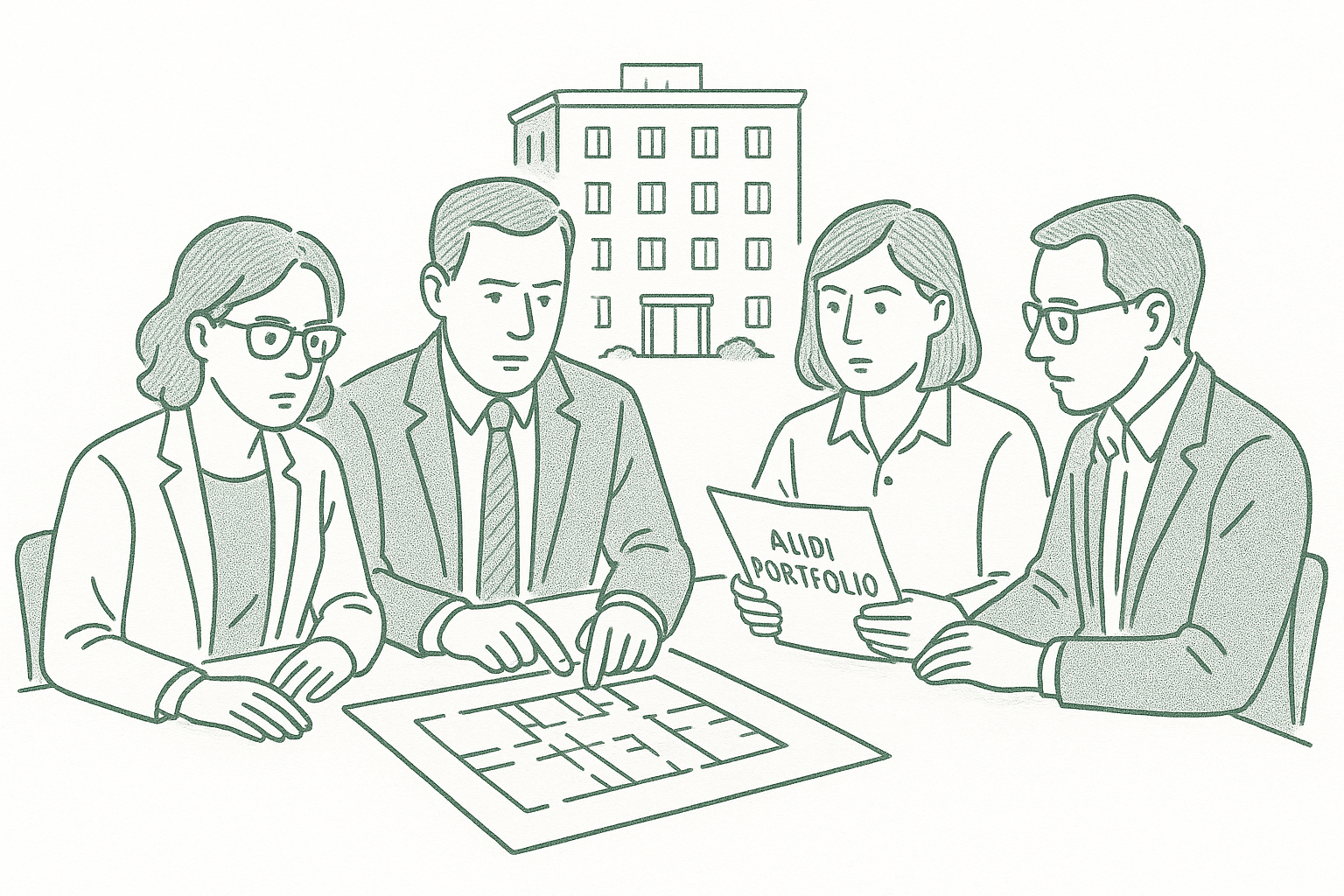
Mastermind Groups for Property Managers: Why the Best Portfolios Are Built in the Room
340,000 property management companies in the U.S. Nearly half employ five or fewer people. The owners scaling past 200 doors share one trait: they stopped managing in isolation.
History & Proof
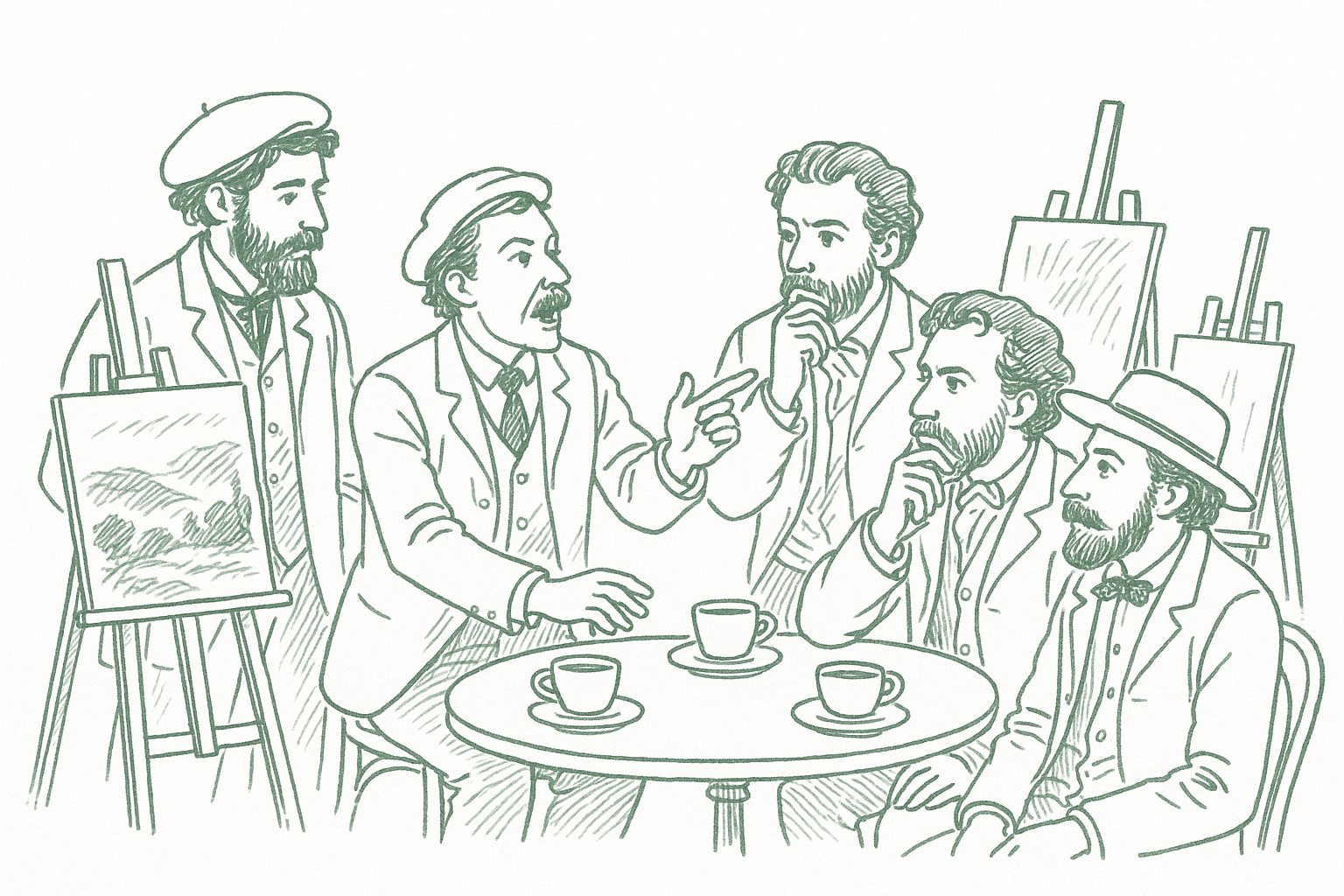
The Impressionists: How a Group of Rejected Painters Changed How the World Sees
In the 1860s, a handful of young painters kept getting rejected by the only exhibition that mattered. So they started meeting at a Paris cafe, formed their own cooperative, and launched eight exhibitions that overthrew four centuries of artistic tradition.
Masterminds for X
Mastermind Groups for Veterinarians: Why the Best Practices Don't Operate Alone
50% of veterinarians report burnout. They're 3 to 5 times more likely to die by suicide than the general population. The ones who survive practice ownership found other owners to talk to.
History & Proof
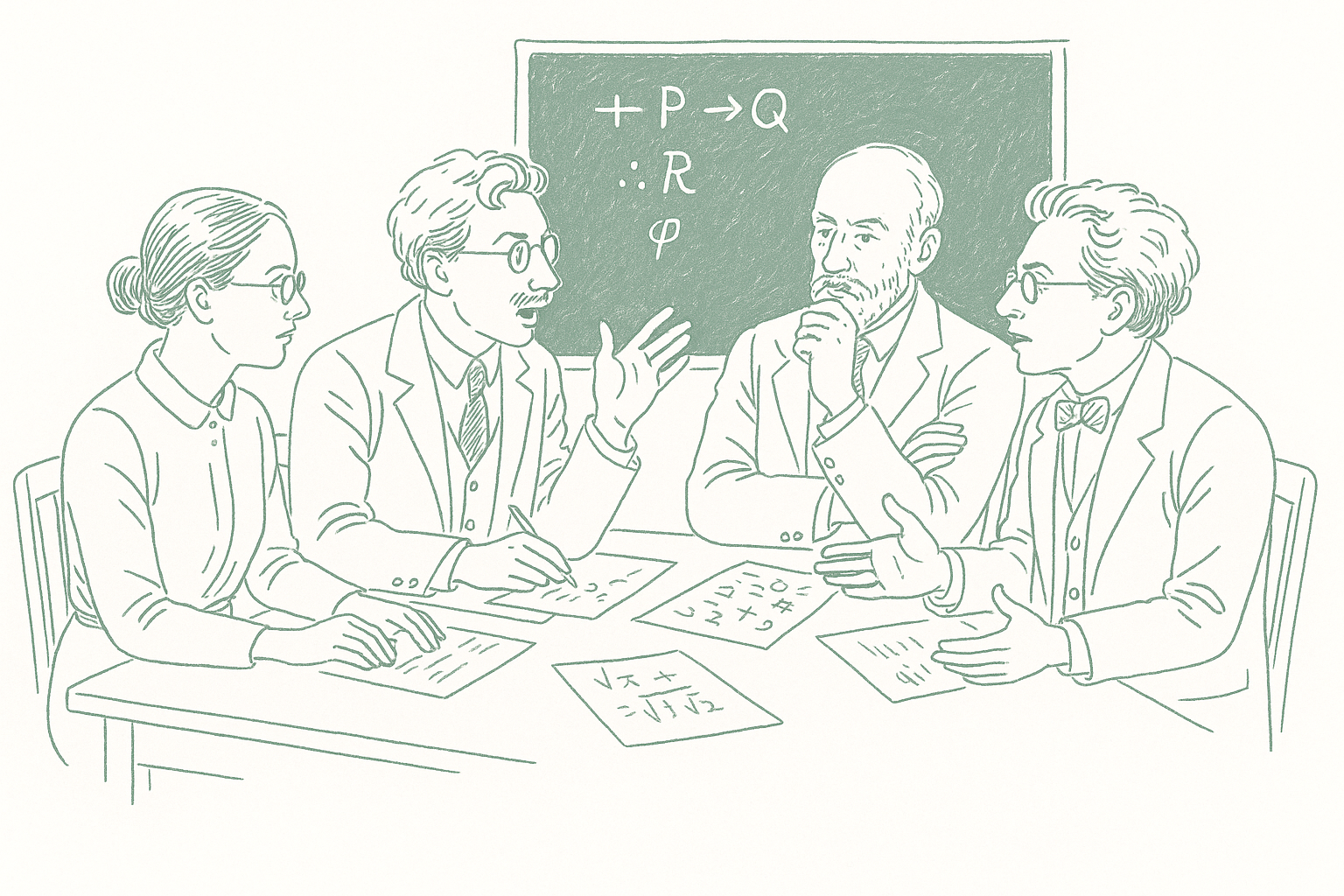
The Vienna Circle: How a Weekly Discussion Group Rewrote the Rules of Science
From 1924 to 1936, a dozen philosophers, mathematicians, and scientists met weekly in a Vienna seminar room. They reshaped how we understand knowledge and laid the groundwork for modern computing. Then fascism scattered them — and their ideas conquered the world.
Masterminds for X
Mastermind Groups for Gym and Fitness Studio Owners: Why the Strongest Businesses Train Together
81% of fitness studios fail in their first year. The owners who survive share one trait: they stopped trying to figure it out alone.
Masterminds for X
Mastermind Groups for Therapists: The Irony of Helping Everyone But Yourself
67% of therapists report burnout. 40% have considered leaving. The people who teach everyone else to seek support are the ones most likely to go without it.
Concepts & Frameworks
How to Choose the Right Mastermind Group (And How to Know When You're in the Wrong One)
Mastermind groups can be the highest-leverage commitment on your calendar or a polite waste of a year. The difference comes down to five things most people never check.
History & Proof
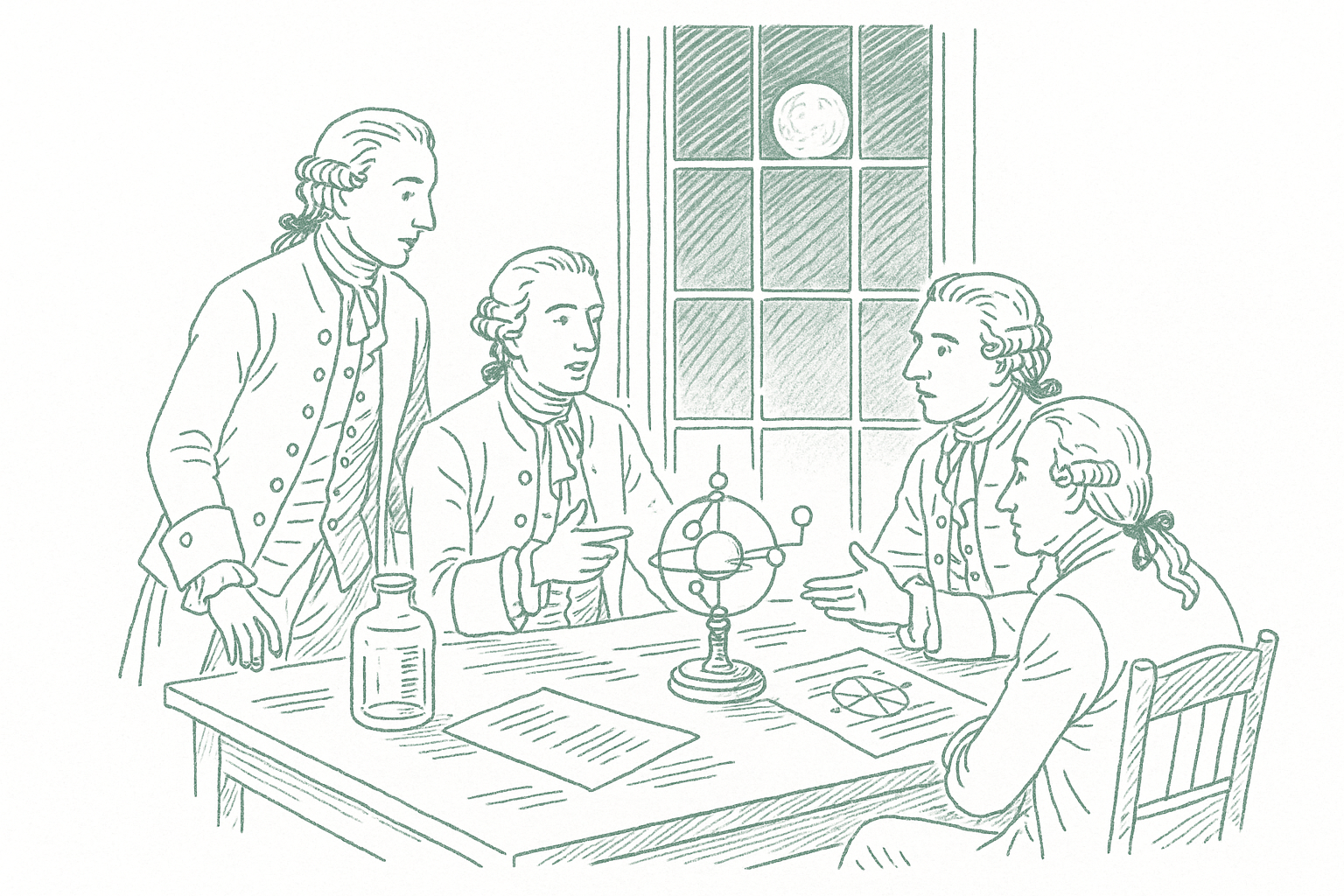
The Lunar Society: How a Monthly Dinner Club Powered the Industrial Revolution
They met once a month, on the night of the full moon. Over four decades, fourteen "Lunaticks" built steam engines, discovered oxygen, industrialized pottery, and launched the modern world.
History & Proof
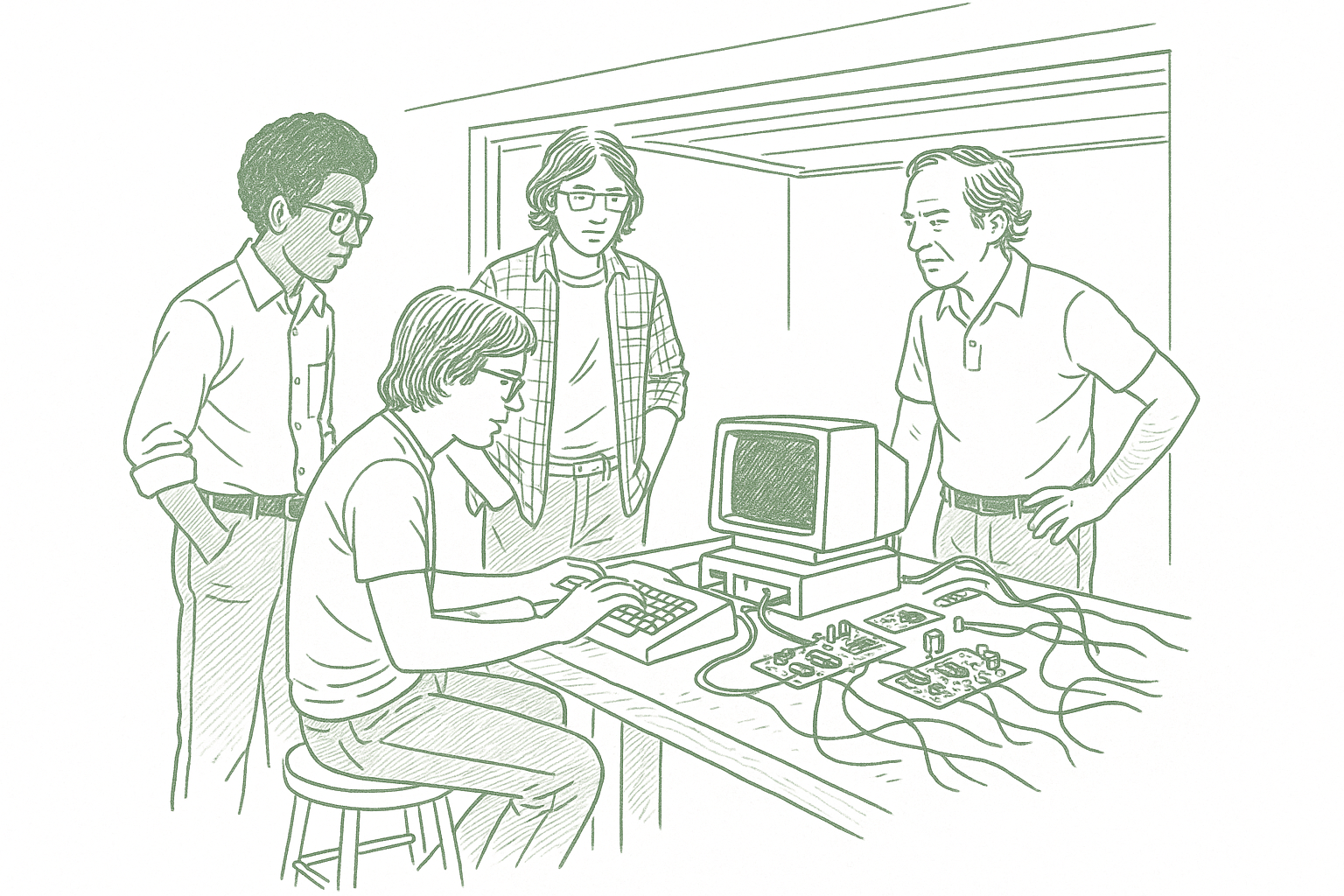
The Homebrew Computer Club: How a Garage Meetup Launched the Personal Computer Revolution
On a rainy night in 1975, thirty-two hobbyists gathered in a Menlo Park garage. Within a decade, that group had launched Apple, Osborne, Cromemco, and a dozen other companies that defined personal computing.
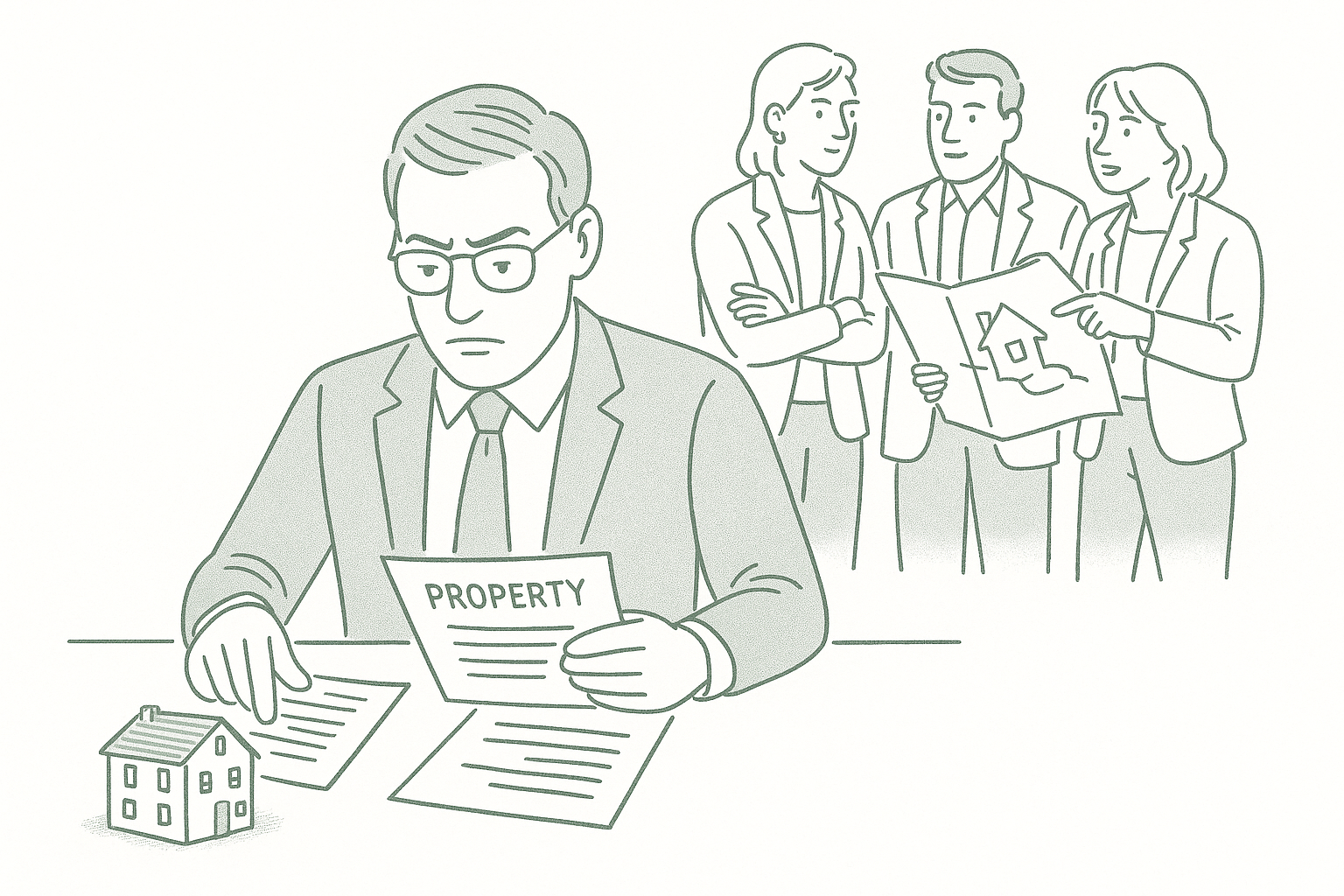
Masterminds for X
Mastermind Groups for Real Estate Investors: Why the Best Deals Come from the Room, Not the Market
The top-performing real estate investors don't find their best deals on the MLS. They find them in small rooms with other investors who trust each other enough to share what's actually working.
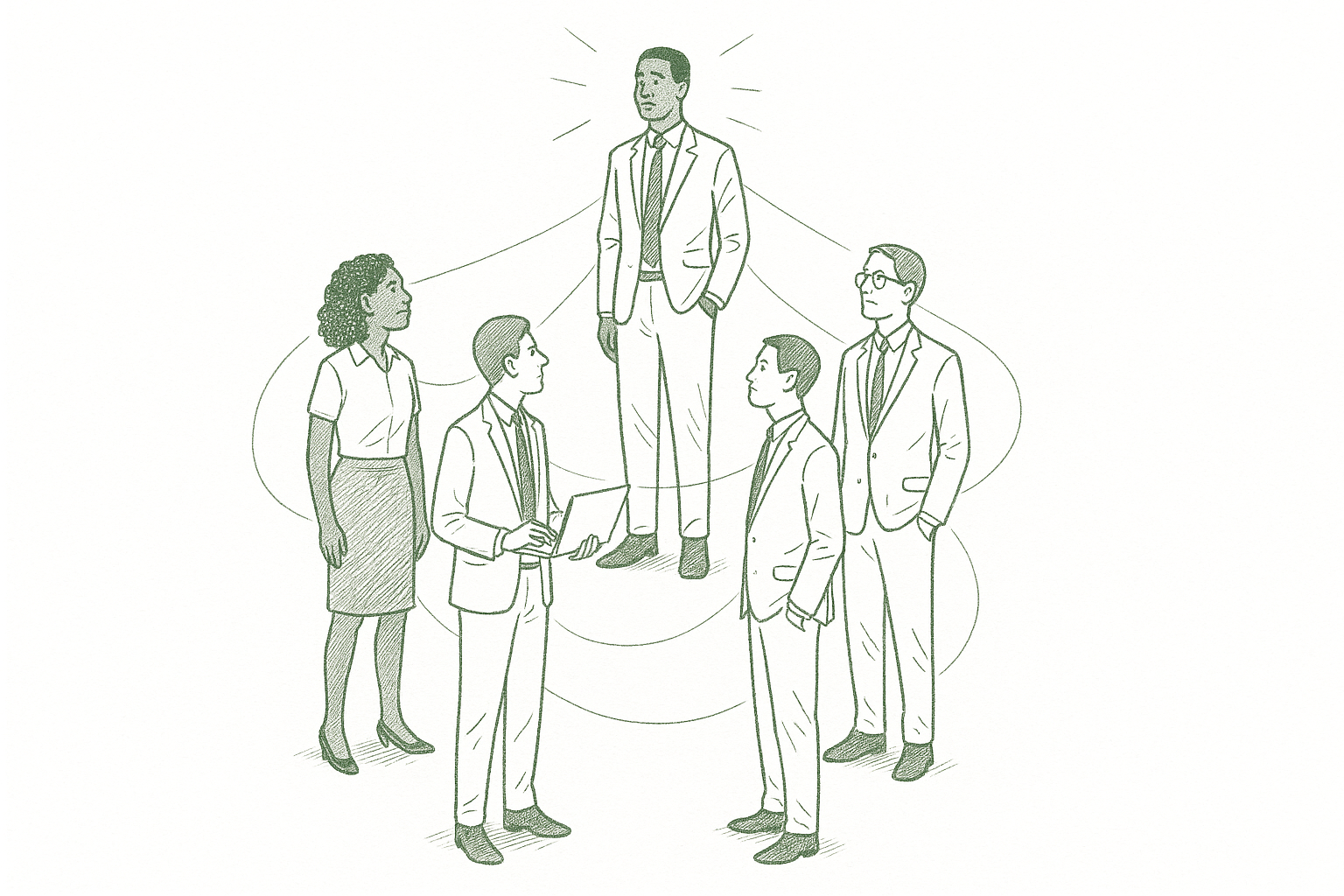
Science & Research
The Peer Effect: Why the People Around You Determine Your Outcomes
Decades of research — from randomized roommate studies to 72-million-person social network analyses — prove the same thing: the people near you reshape your behavior, your decisions, and your income.
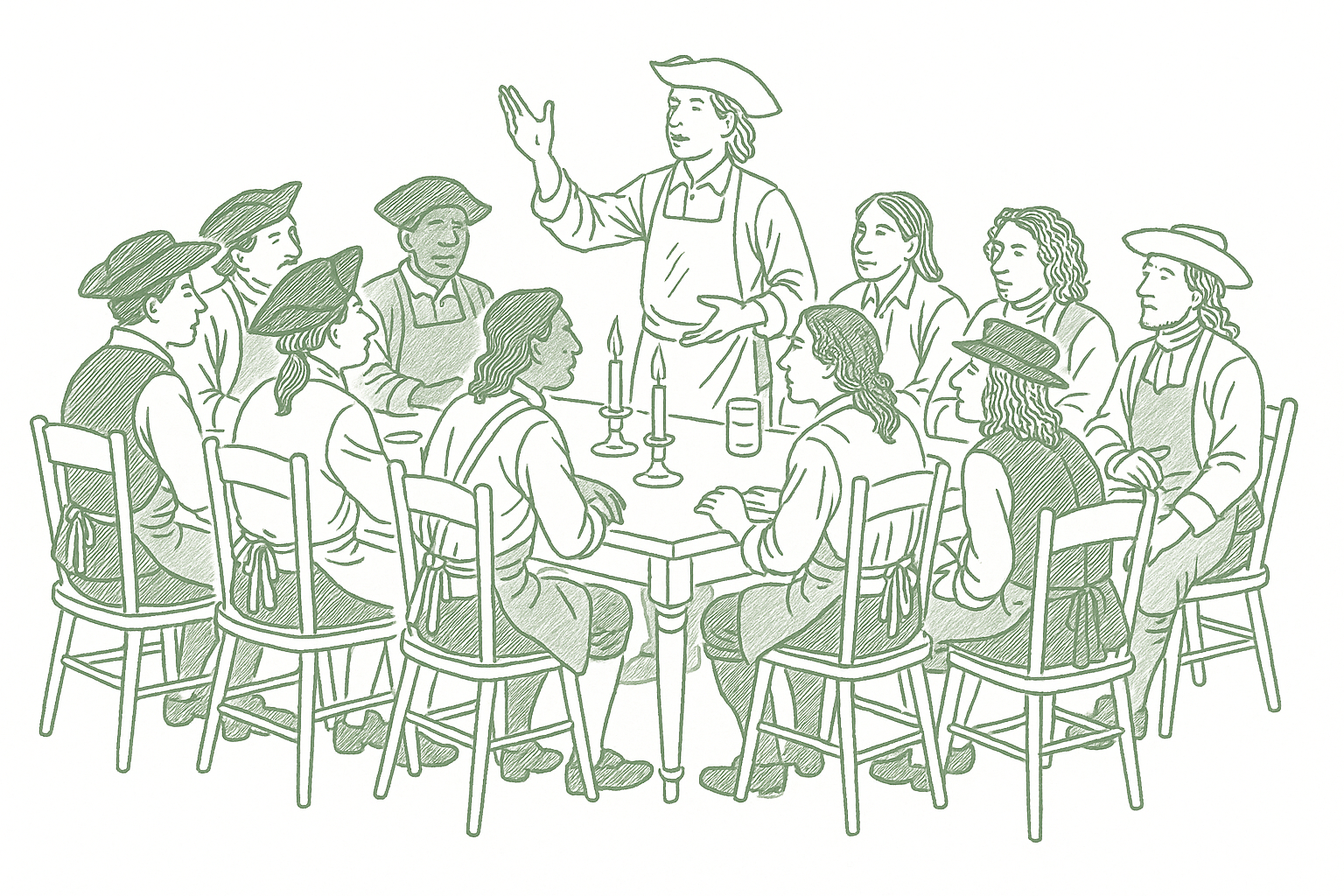
History & Proof
The Junto: How Ben Franklin's Friday Night Club Built a City
In 1727, a 21-year-old printer gathered eleven tradesmen in a Philadelphia tavern. Their Friday night discussions produced America's first lending library, its first volunteer fire department, the American Philosophical Society, and the University of Pennsylvania. The group lasted 38 years.
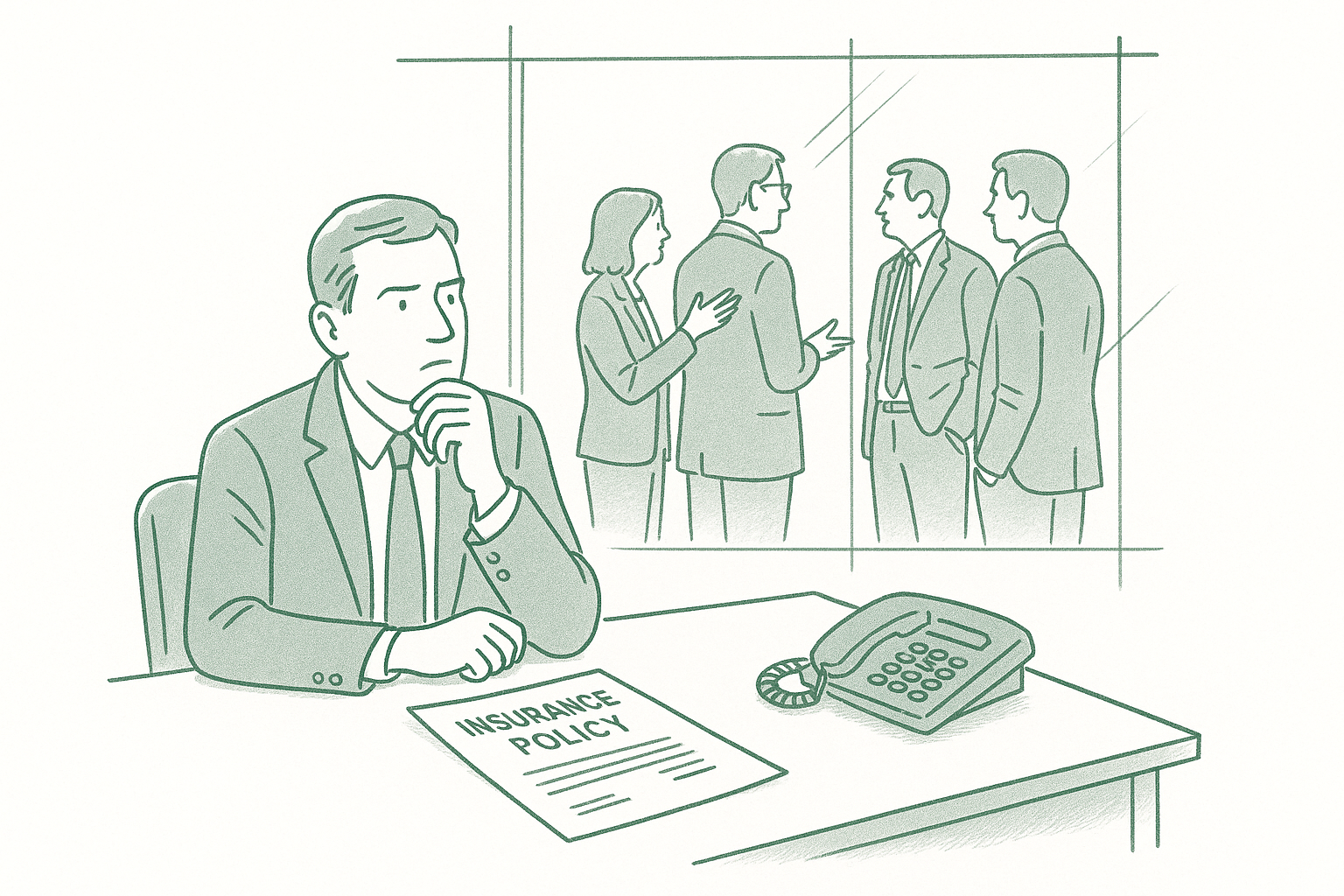
Masterminds for X
Mastermind Groups for Insurance Agents: Why the Best Agents Never Sell Alone
Half of independent agency employees report burnout. 90% of new agents quit within a year. The agents building durable books of business have one thing the rest don't.
History & Proof
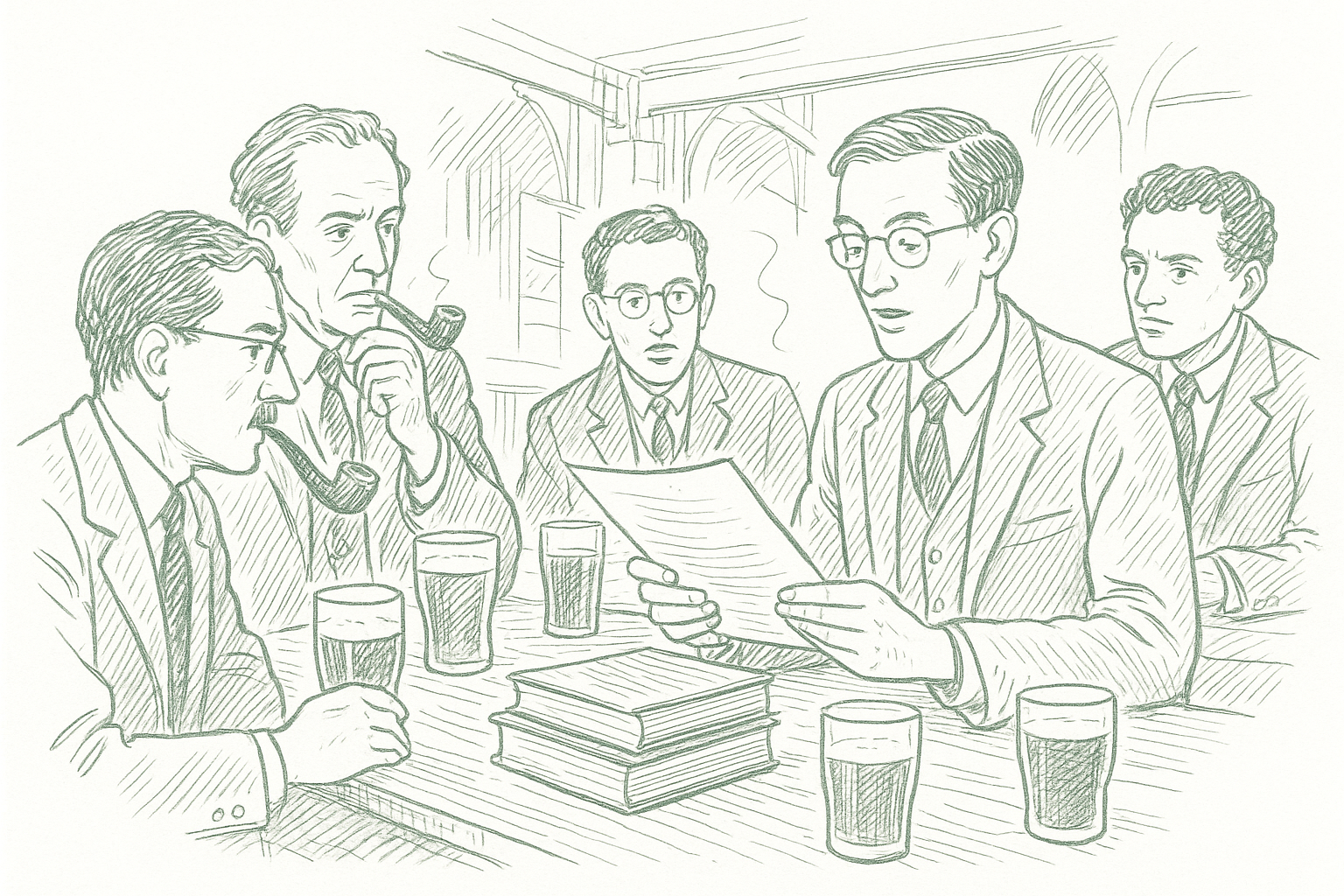
The Inklings: How a Pub Group Gave Us Narnia and Middle-Earth
For nearly two decades, a handful of Oxford dons met in a pub and a set of college rooms to read unfinished manuscripts aloud. The group produced The Lord of the Rings, The Chronicles of Narnia, and over $10 billion in cultural value.
Masterminds for X
Mastermind Groups for Accountants and CPAs: The Firms That Talk to Each Other Win
87% of finance leaders report a critical talent shortage. Only 41% of firms have a succession plan. The firms navigating this aren't smarter — they're less isolated.
Masterminds for X
Mastermind Groups for Coaches: Why the Best Coaches Still Need Coaching
Over 230,000 coaches in the US are navigating every hard business decision — pricing, positioning, saturation — completely alone. The people who help everyone else think clearly have no one doing it for them.
History & Proof
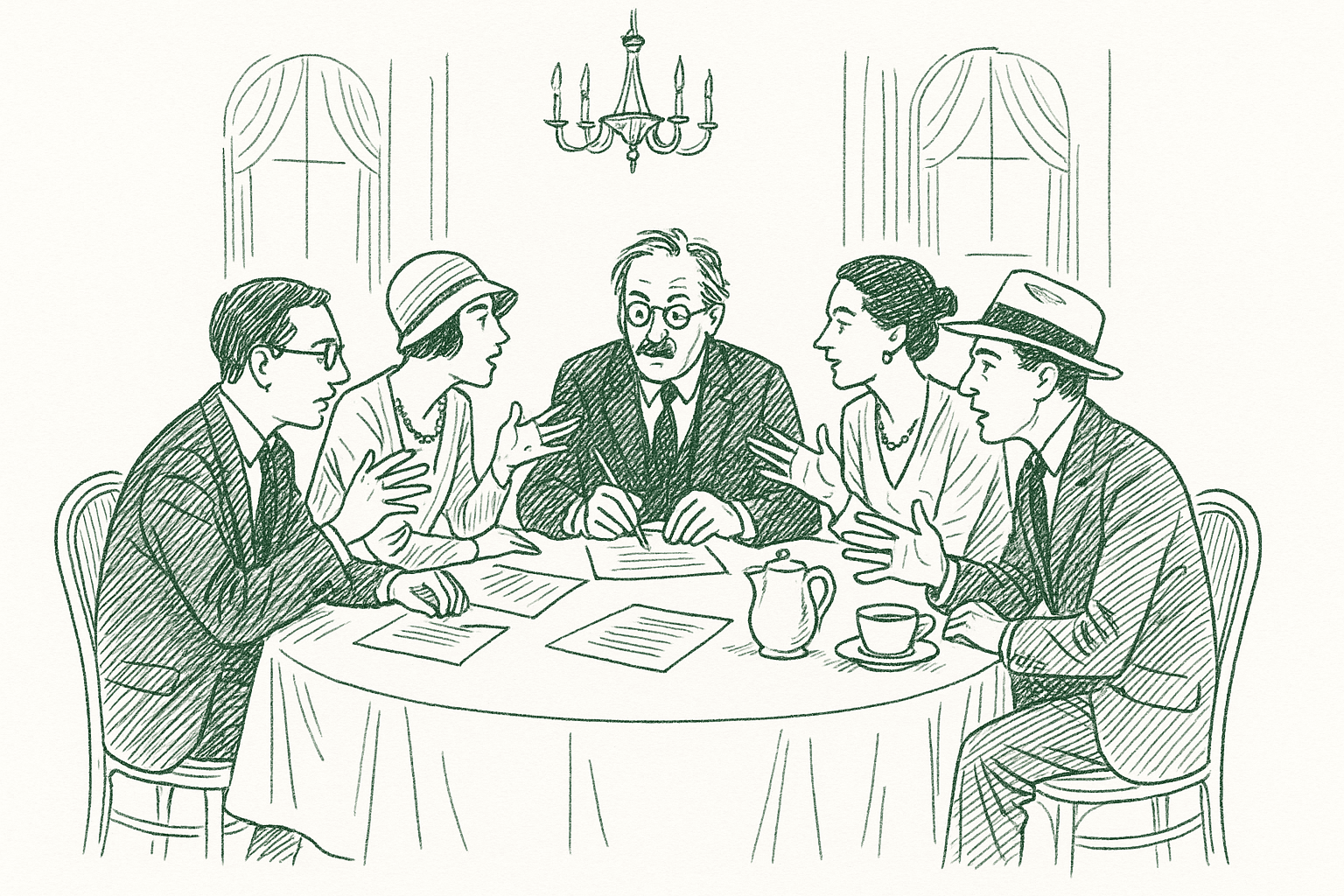
The Algonquin Round Table: What a Decade of Lunch Did for American Culture
They called themselves the Vicious Circle. Ten writers and wits ate lunch together every day for ten years — and produced The New Yorker, four Pulitzer Prizes, and some of the most enduring careers in American letters.
Masterminds for X
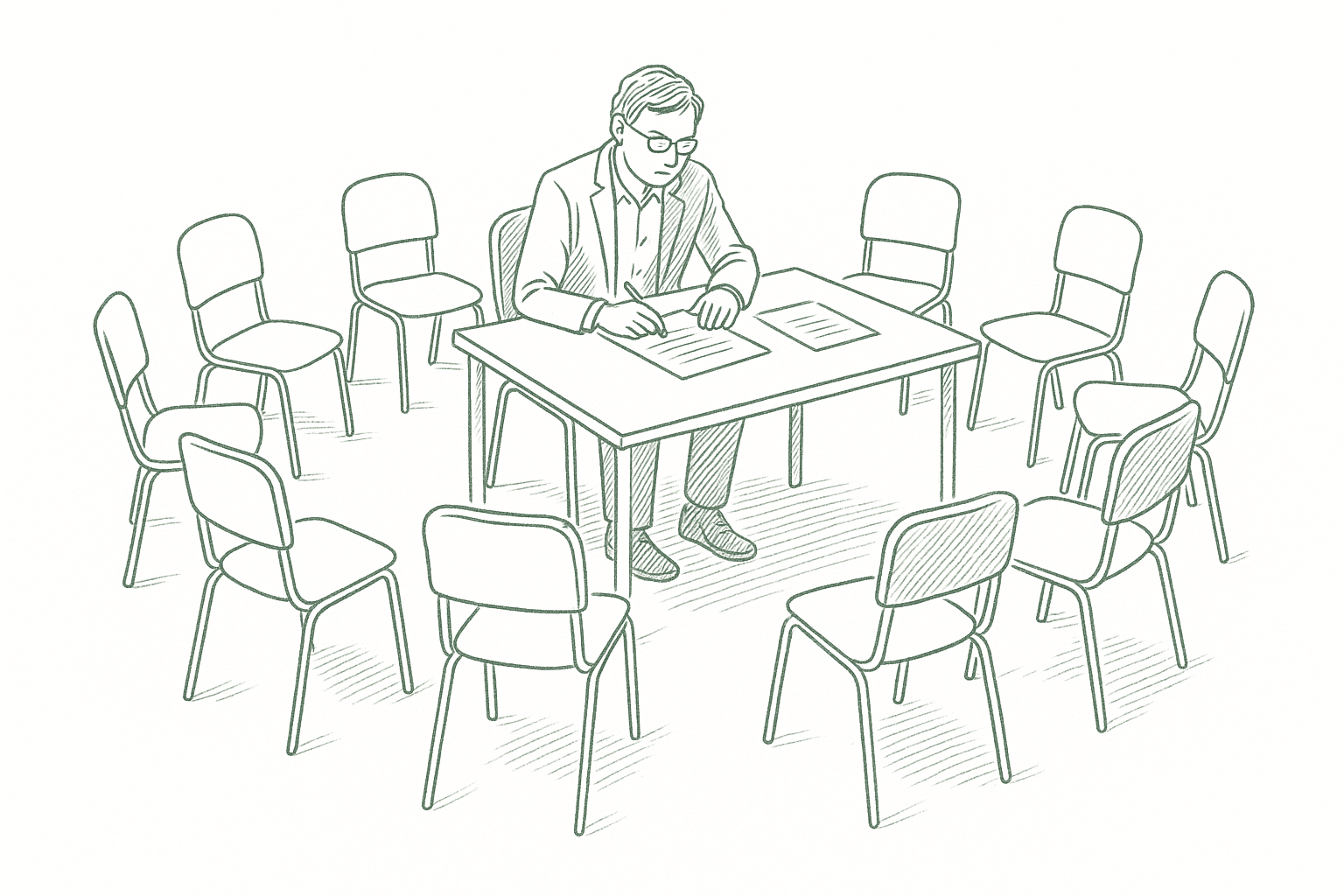
Mastermind Groups for Consultants: The Peer Network That Actually Pays Off
Over 70% of independent consultants rely on referrals as their primary source of work. Most navigate every pricing decision and business development challenge completely alone. That's a structural problem with a structural fix.
Concepts & Frameworks
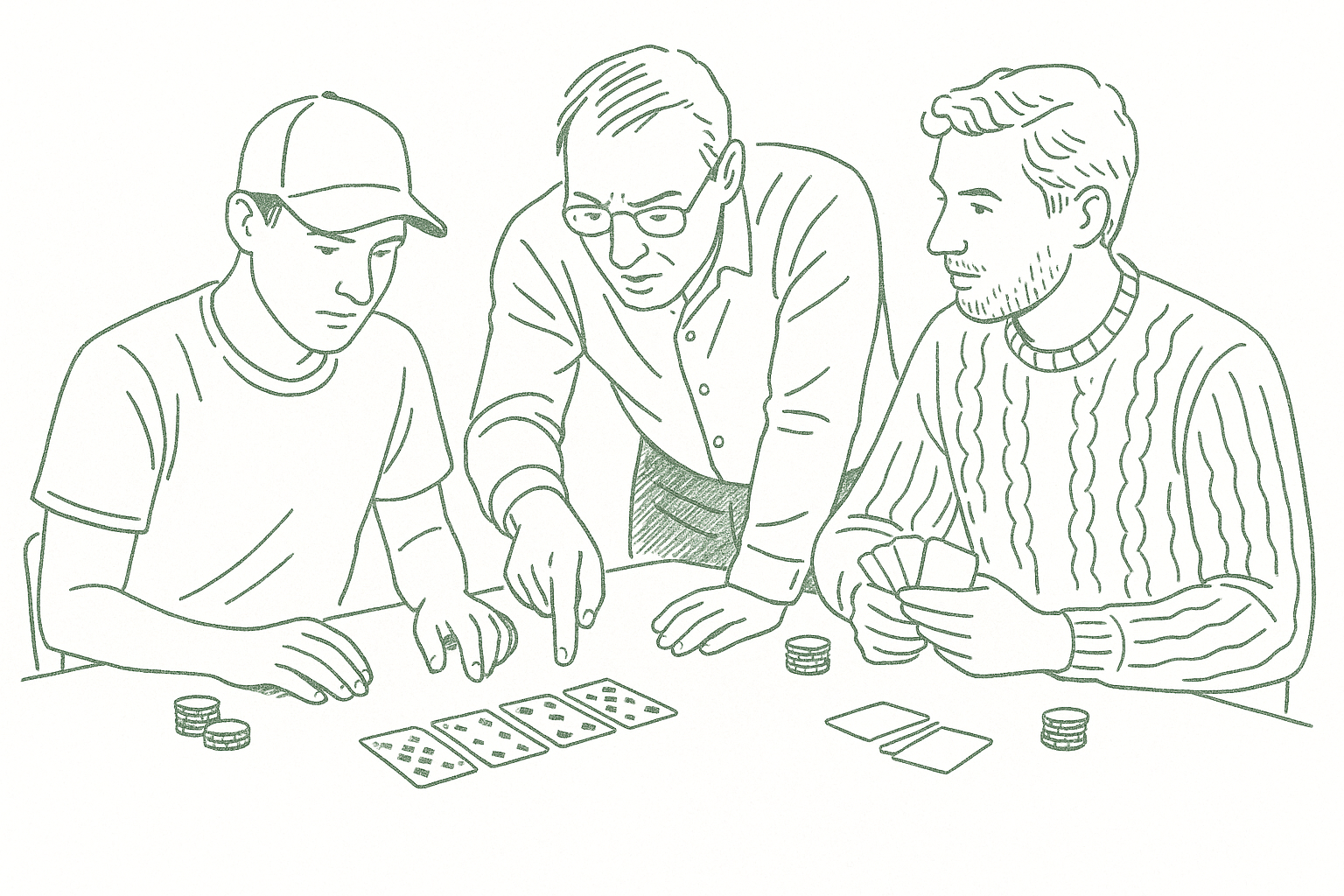
What Poker Gets Right About Honest Feedback (That Most Groups Get Wrong)
Poker players get better feedback than most founders do. Not because they're smarter — because the structure of their review sessions makes honesty safe and silence costly.
The Problem
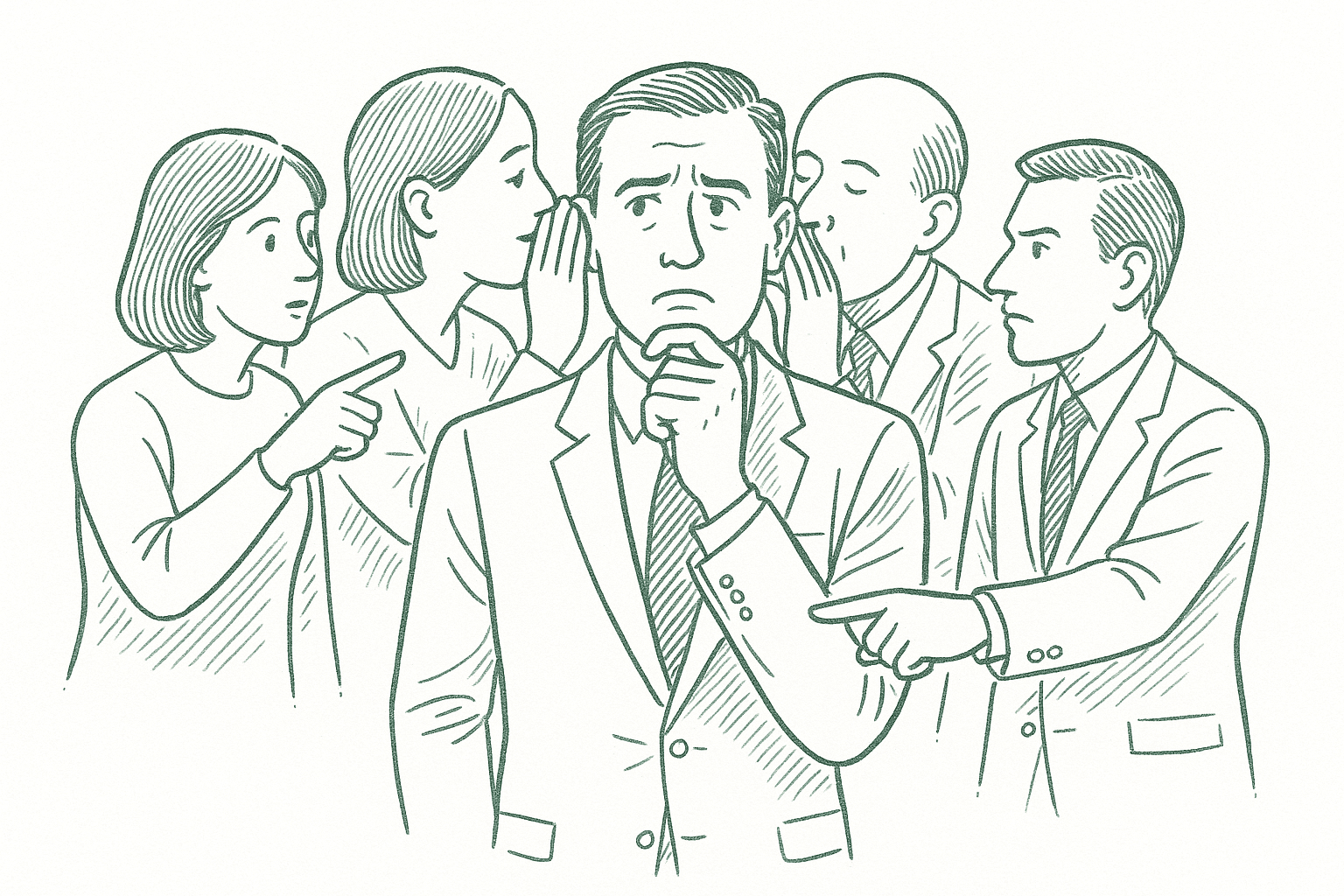
The Cost of Bad Advice: When Your 'Network' Leads You Astray
Your network is not neutral. The people closest to you are the least likely to tell you the truth — and the research on what that actually costs is uncomfortable.
History & Proof
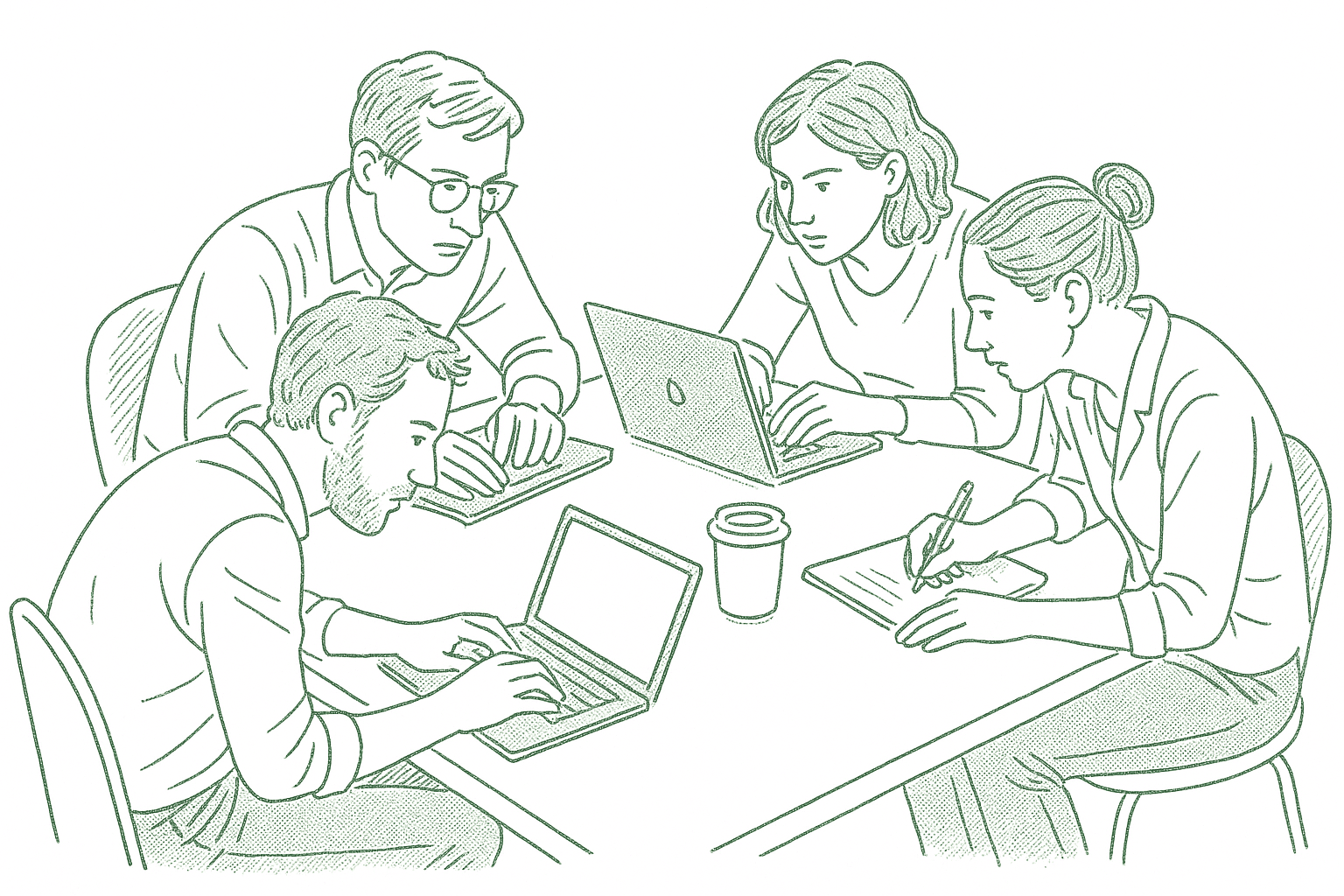
Y Combinator's Batch Dynamics: Why the Cohort Matters More Than the Program
YC has produced over $600 billion in startup value. The curriculum isn't the reason. The batch is — and understanding why tells you something important about how people actually build companies.
Concepts & Frameworks
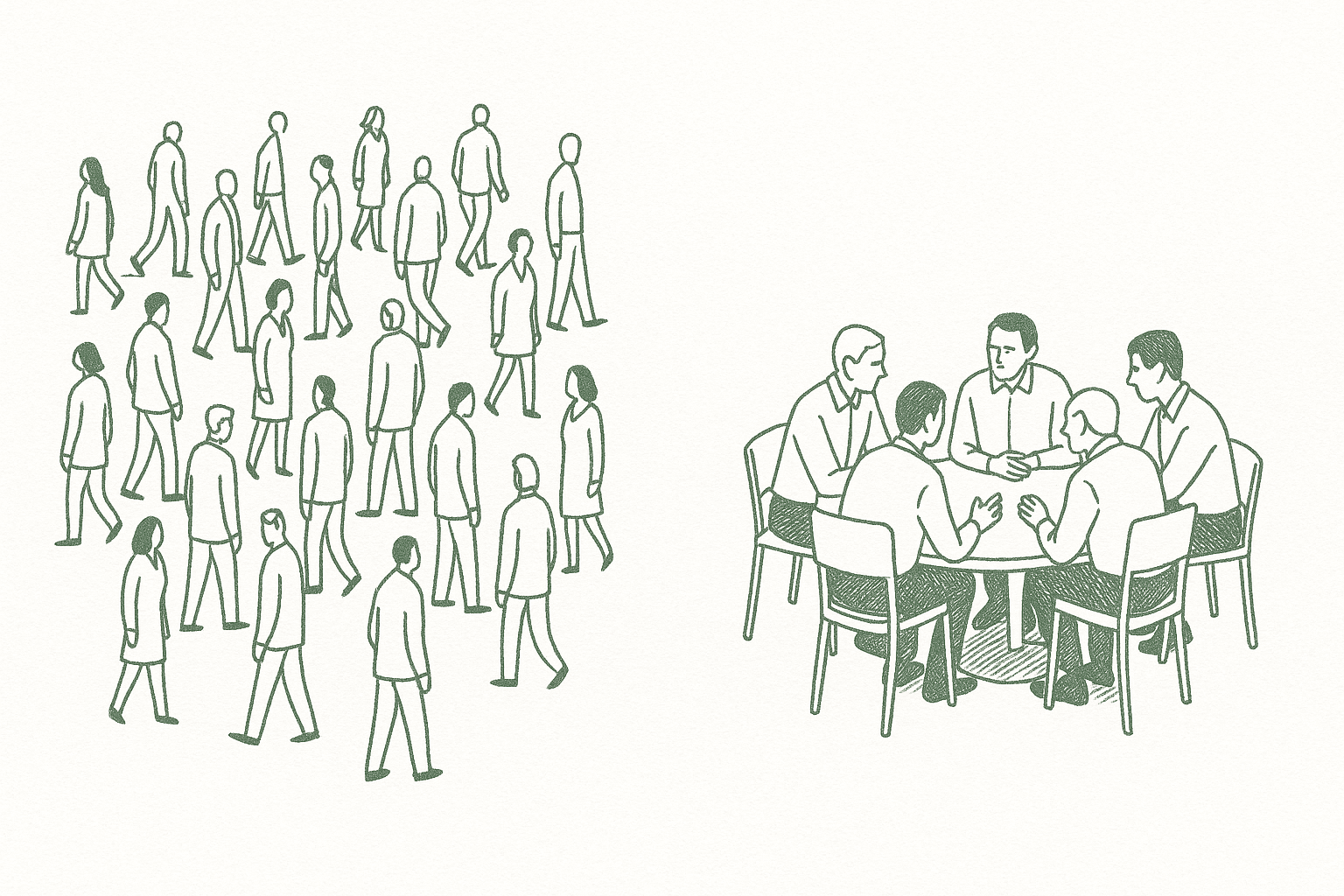
The Difference Between Community and Structure
Community gives you the feeling of belonging. Structure gives you outcomes. Conflating the two is why founders keep joining things that don't help.
The Problem
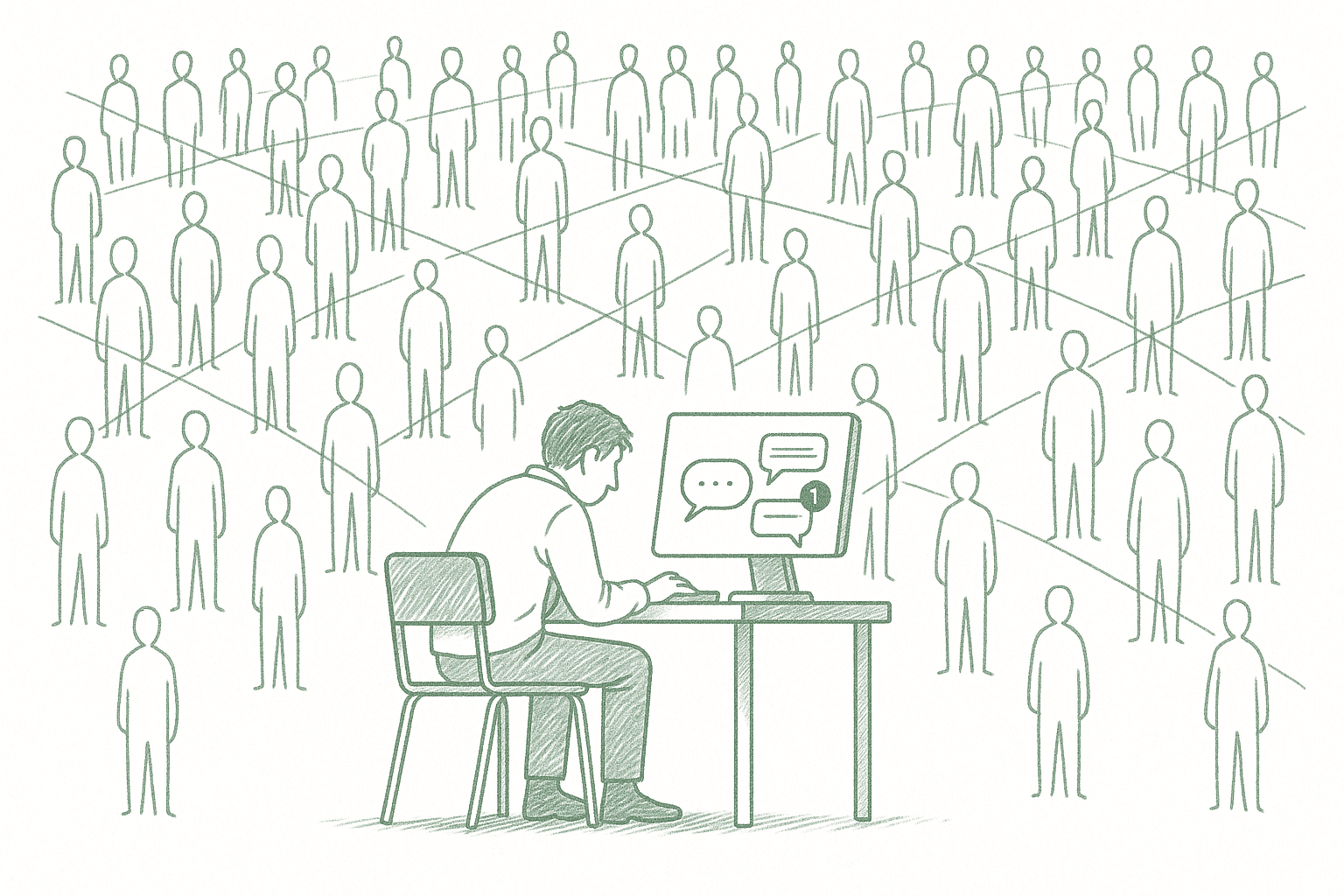
Why Slack Communities Don't Produce Outcomes
You joined three. Maybe five. You've watched the #wins channel, posted once or twice, and mostly lurked. Nothing has changed. That's not a you problem — it's a design problem.
History & Proof
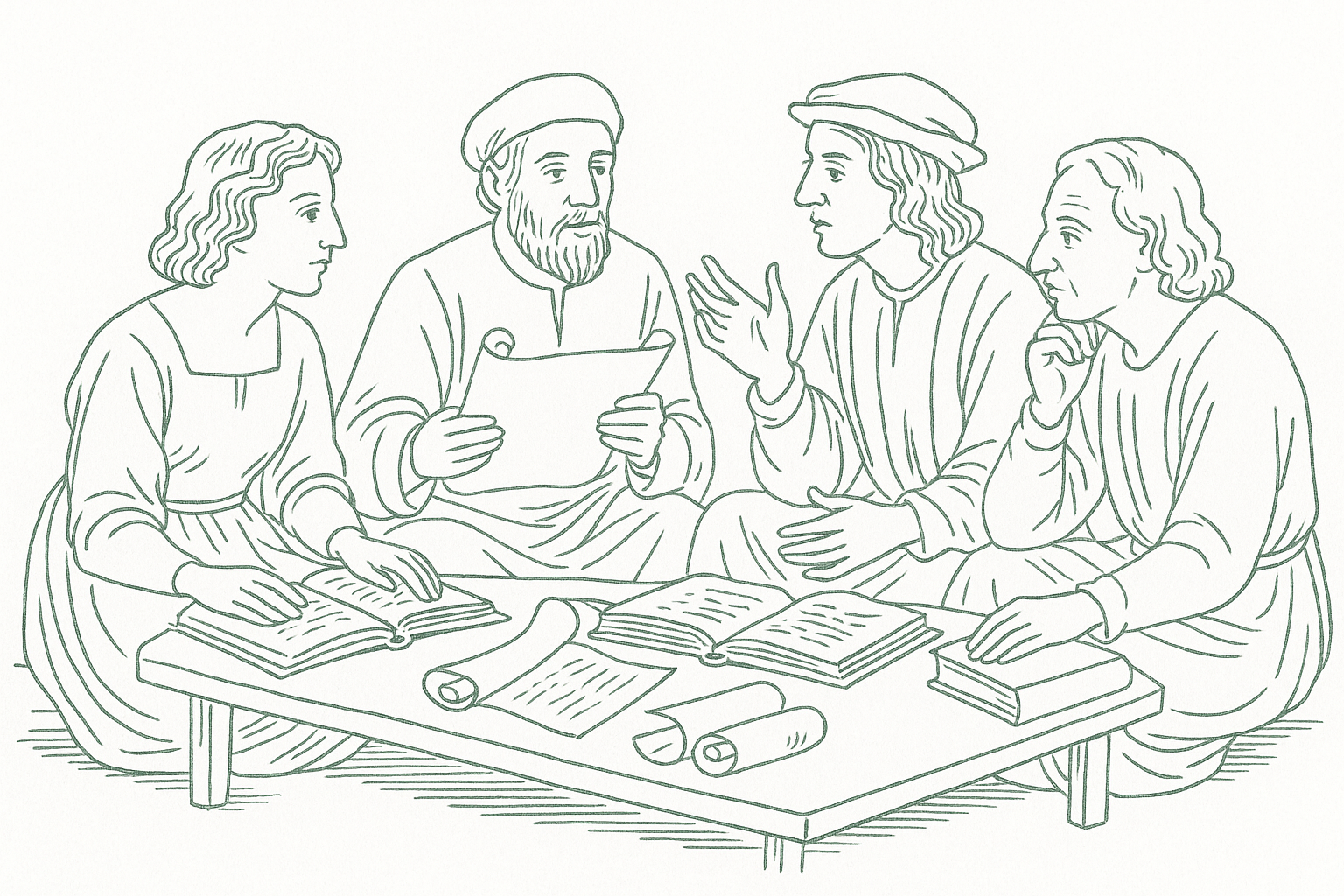
The Medici Effect: How Renaissance Florence Ran on Small Groups
The Renaissance didn't emerge from lone geniuses. It emerged from a curated room — a small circle of scholars, artists, and philosophers who made each other irreplaceable.
Science & Research
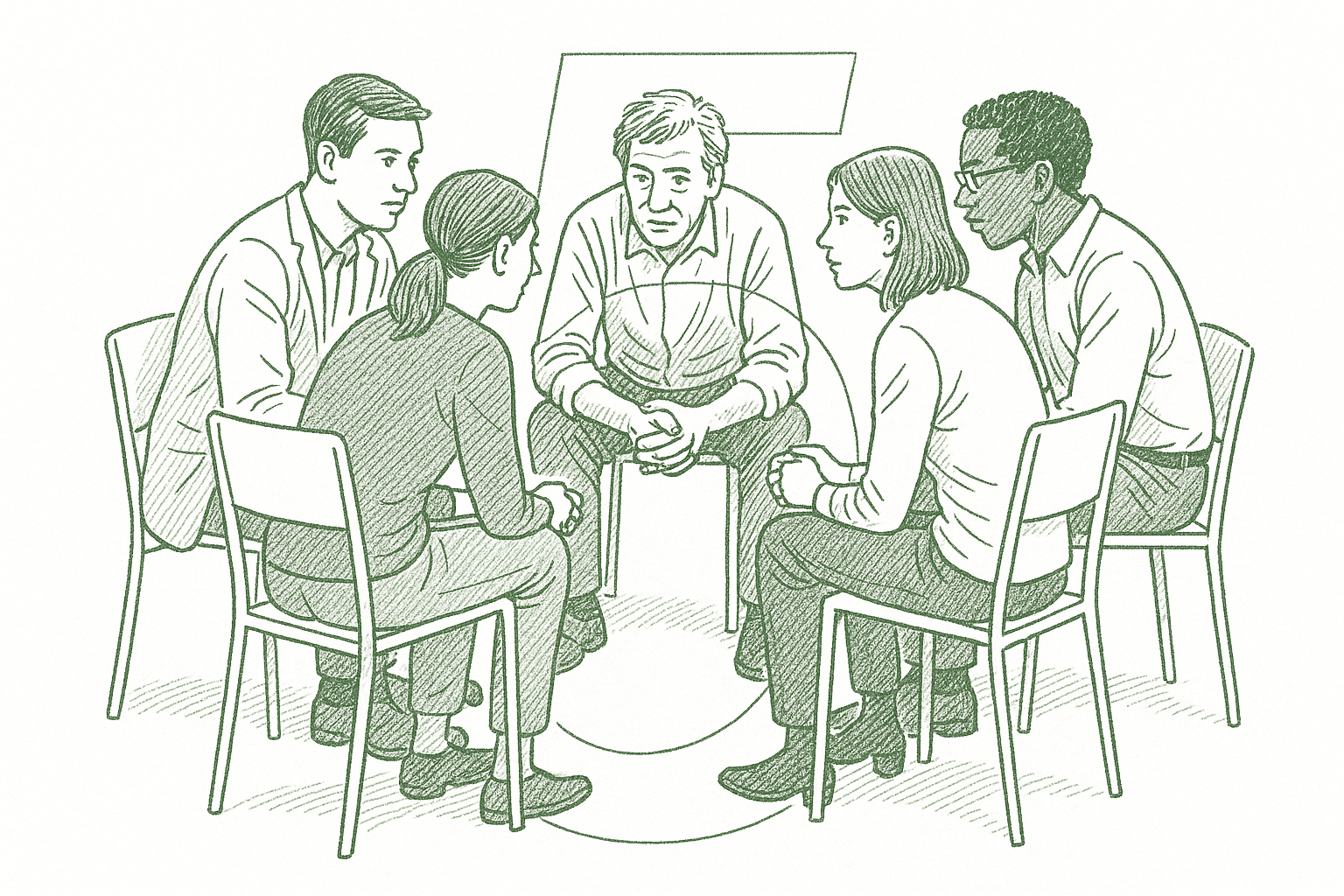
Why 5 People Is the Magic Number
Across six decades of research, the same number keeps emerging as optimal for high-performing small groups. Here's what the science actually says — and why every successful peer group in history landed on the same number.
History & Proof
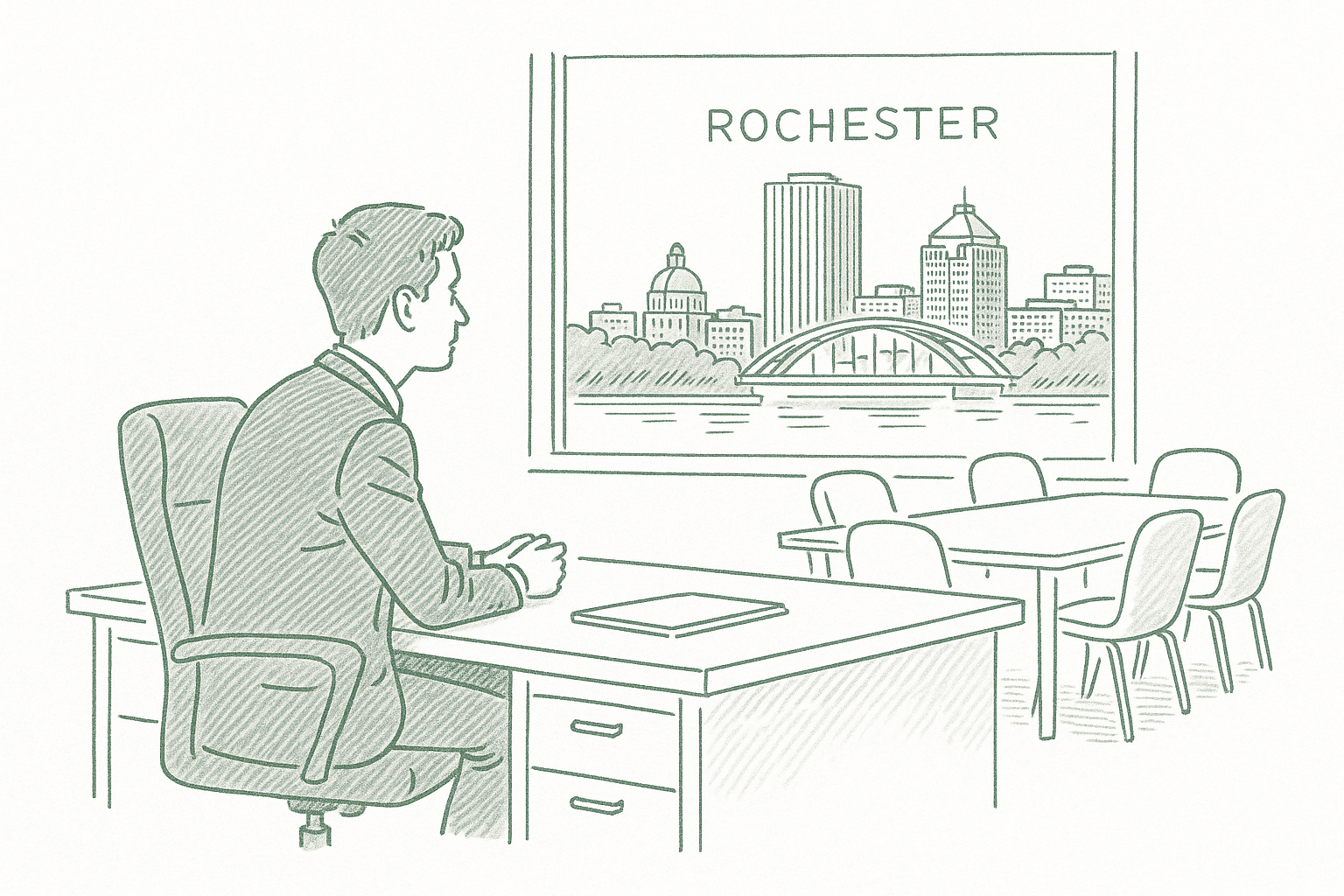
The YPO Origin Story: A 27-Year-Old in Rochester Who Couldn't Find Peers
In 1950, a young manufacturer couldn't find anyone his age who understood what he was going through. So he gathered 20 of them. Seventy-six years later, 38,000 CEOs are paying $15,000 a year to keep that conversation going.
Science & Research
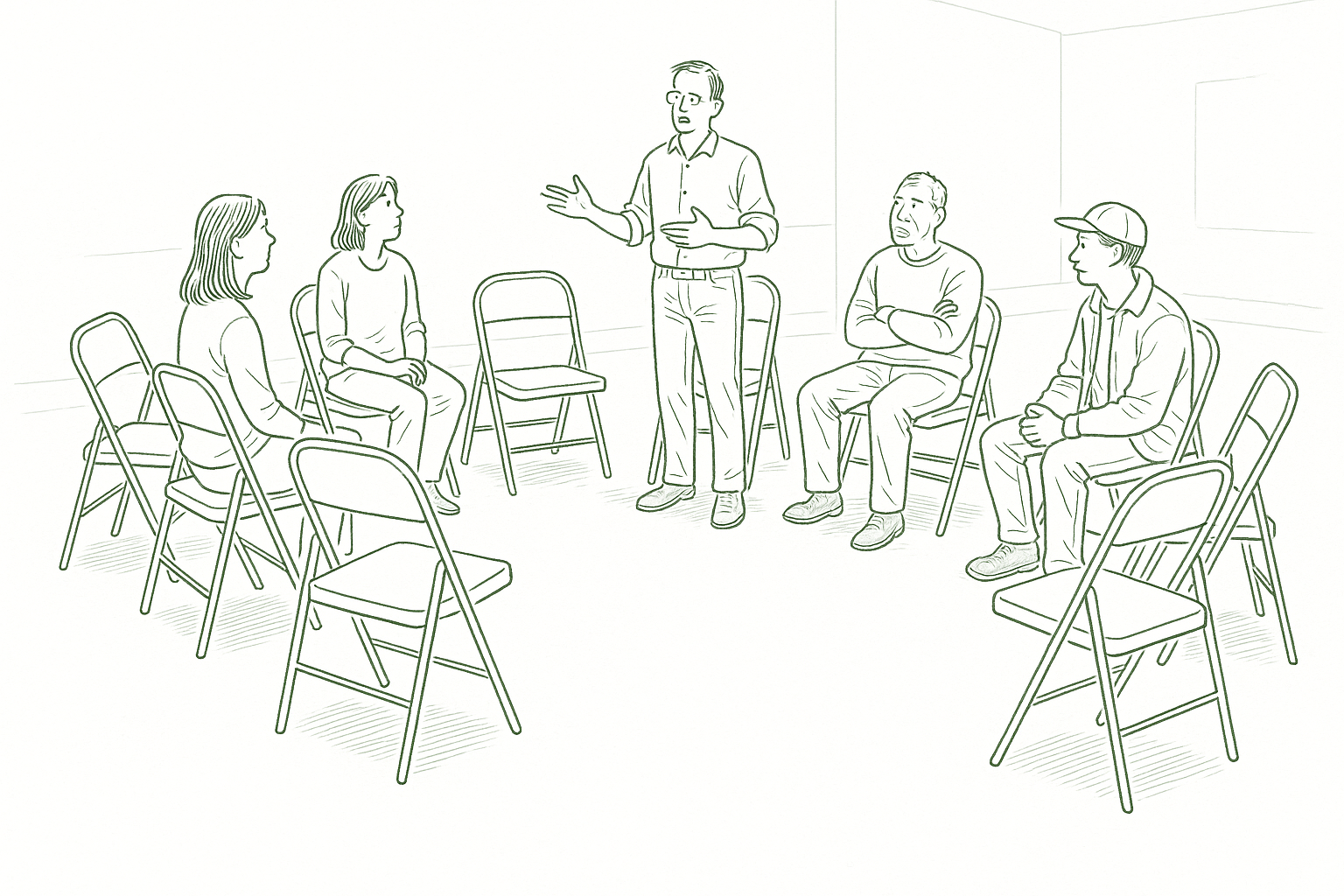
How Alcoholics Anonymous Accidentally Proved the Peer Group Model
AA wasn't designed by researchers. A 2020 Cochrane review of 35 studies found it outperformed cognitive behavioral therapy for sustained abstinence. The reason has nothing to do with the twelve steps — and everything to do with structure.
History & Proof
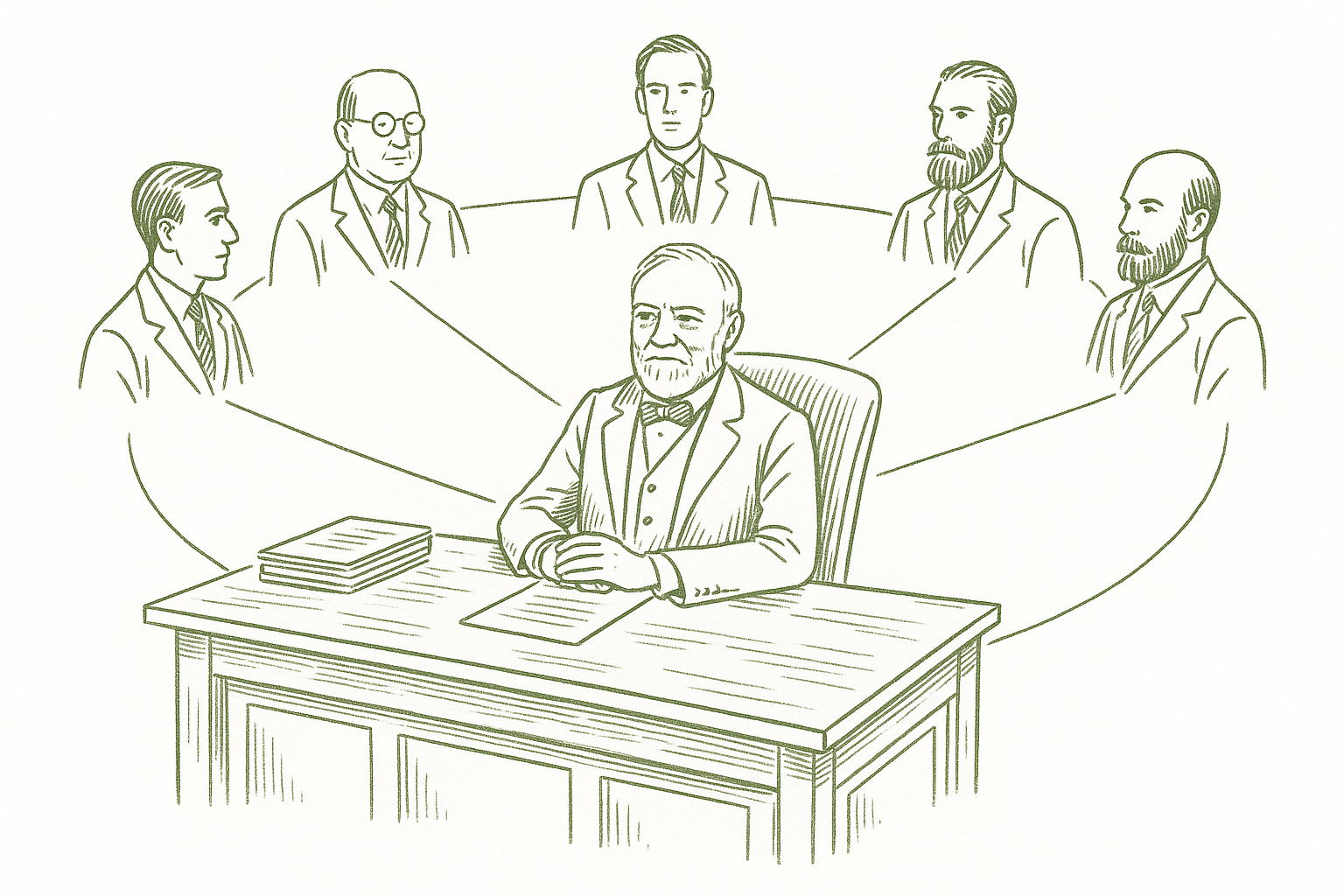
Andrew Carnegie's "Master Mind": The Idea That Outlived Its Origin Story
Napoleon Hill claimed Carnegie gave him a 20-year mission to study success. Historians say they probably never met. The concept survived anyway — and it's why mastermind groups exist.
Masterminds for X
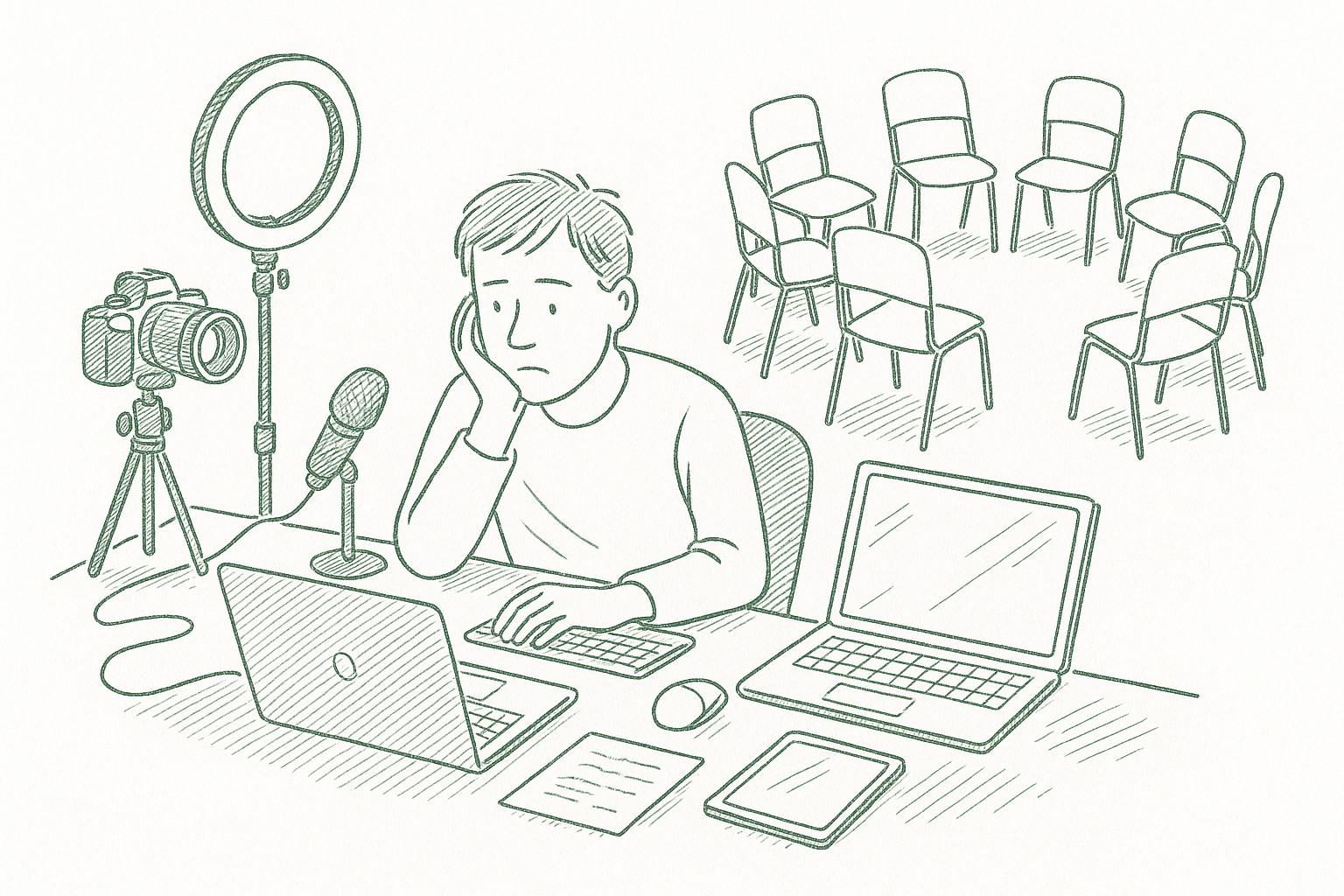
Mastermind Groups for Creators and Content Entrepreneurs
62% of full-time creators report burnout. The creator economy promises freedom and delivers isolation. The ones building real businesses aren't grinding harder — they're thinking together.
Masterminds for X
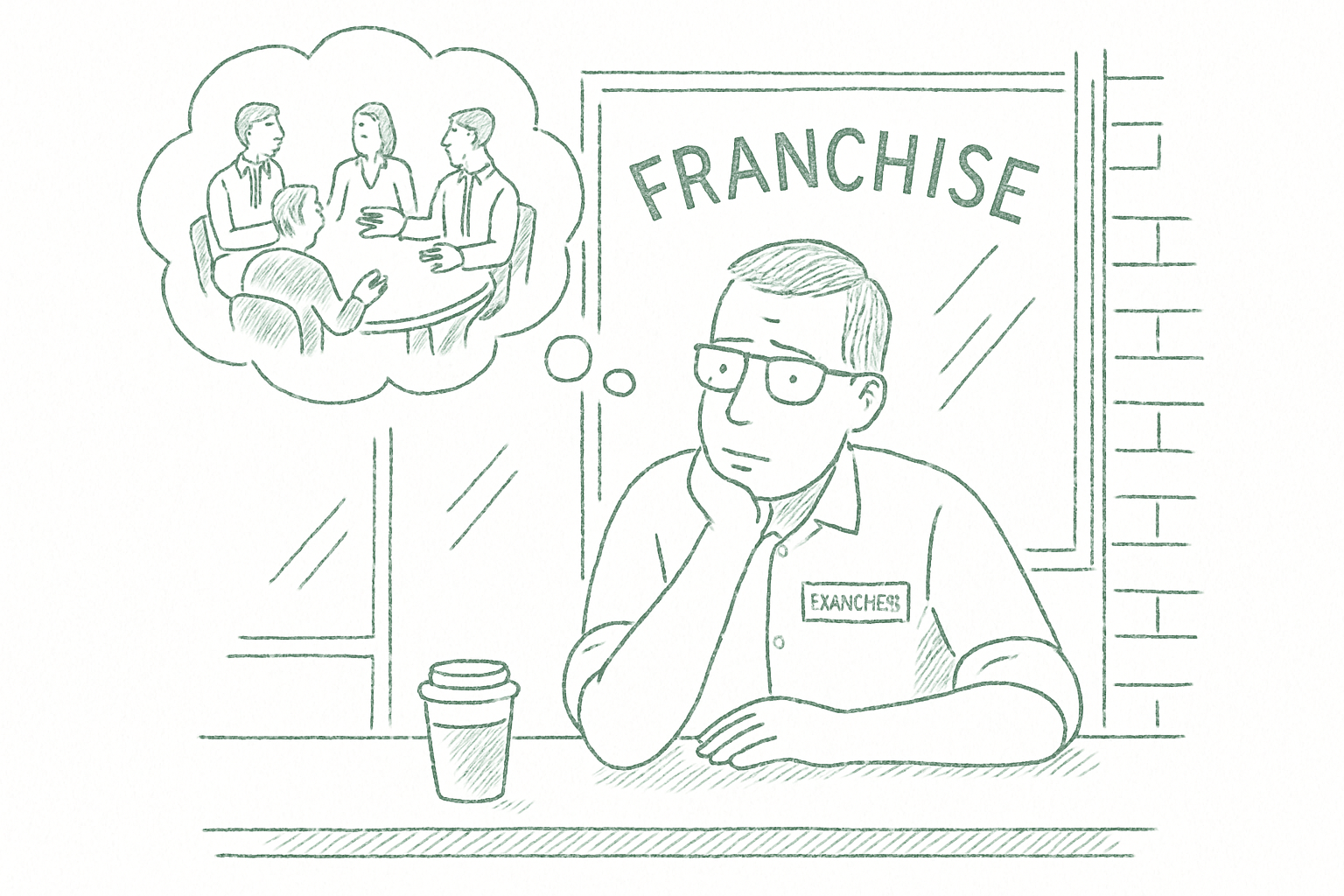
Peer Groups for Franchise Owners: Why the System Can't Solve Everything
You bought a proven system. But between the operations manual and the franchisor's field rep, there's a gap nobody warned you about. The owners outperforming their peers have found a way to close it.
Masterminds for X
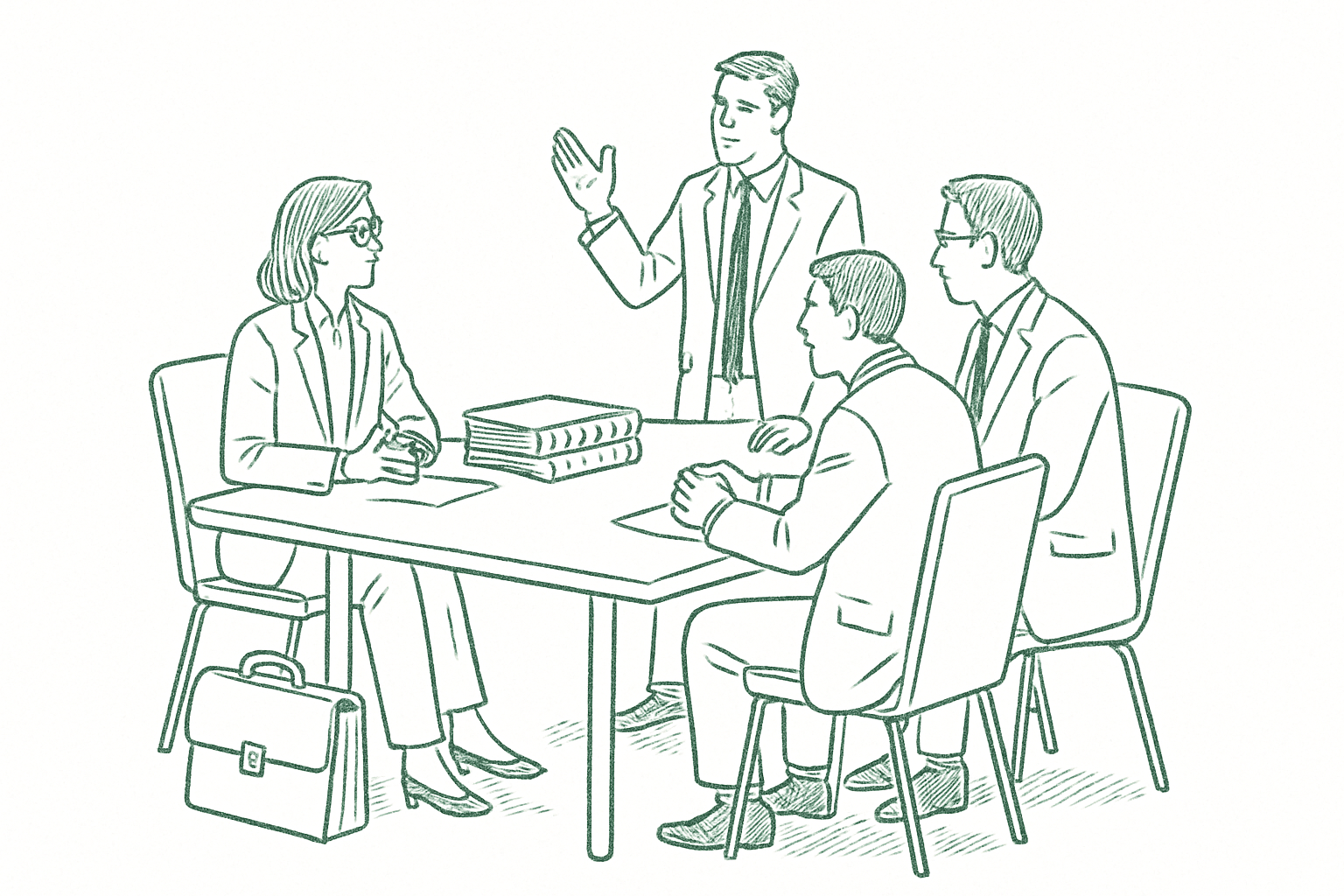
Why Lawyers Are Joining Mastermind Groups
44% of attorneys report feeling isolated at work. The legal profession has some of the highest isolation rates in business — and the ones building durable practices have found a structural fix.
Masterminds for X
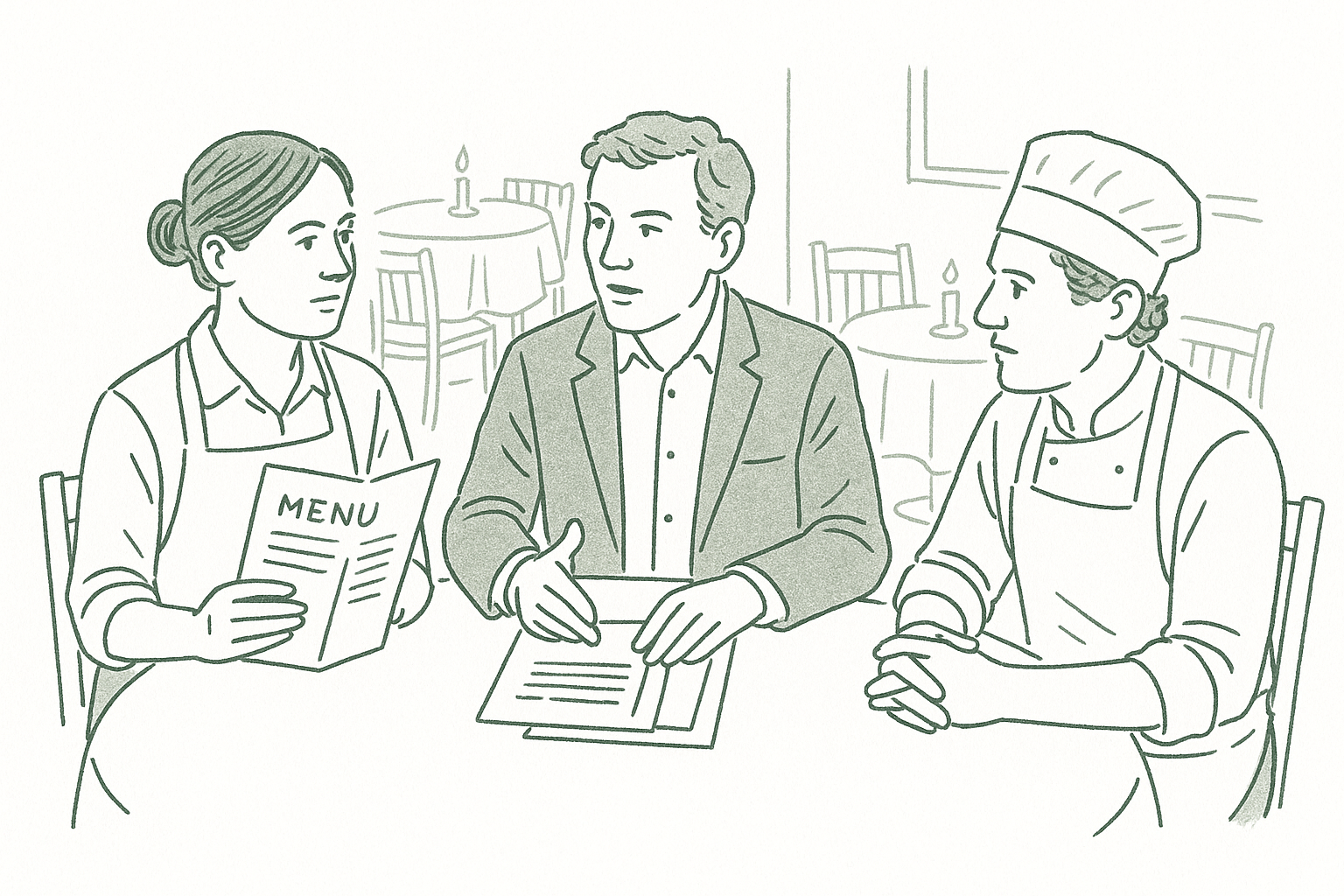
Mastermind Groups for Restaurateurs and Hospitality: Why the Best Operators Never Run Their Kitchens Alone
Restaurant margins run 3–5%. Staff turnover is near 80% a year. The operators building durable hospitality businesses aren't working harder — they're thinking together.
Masterminds for X
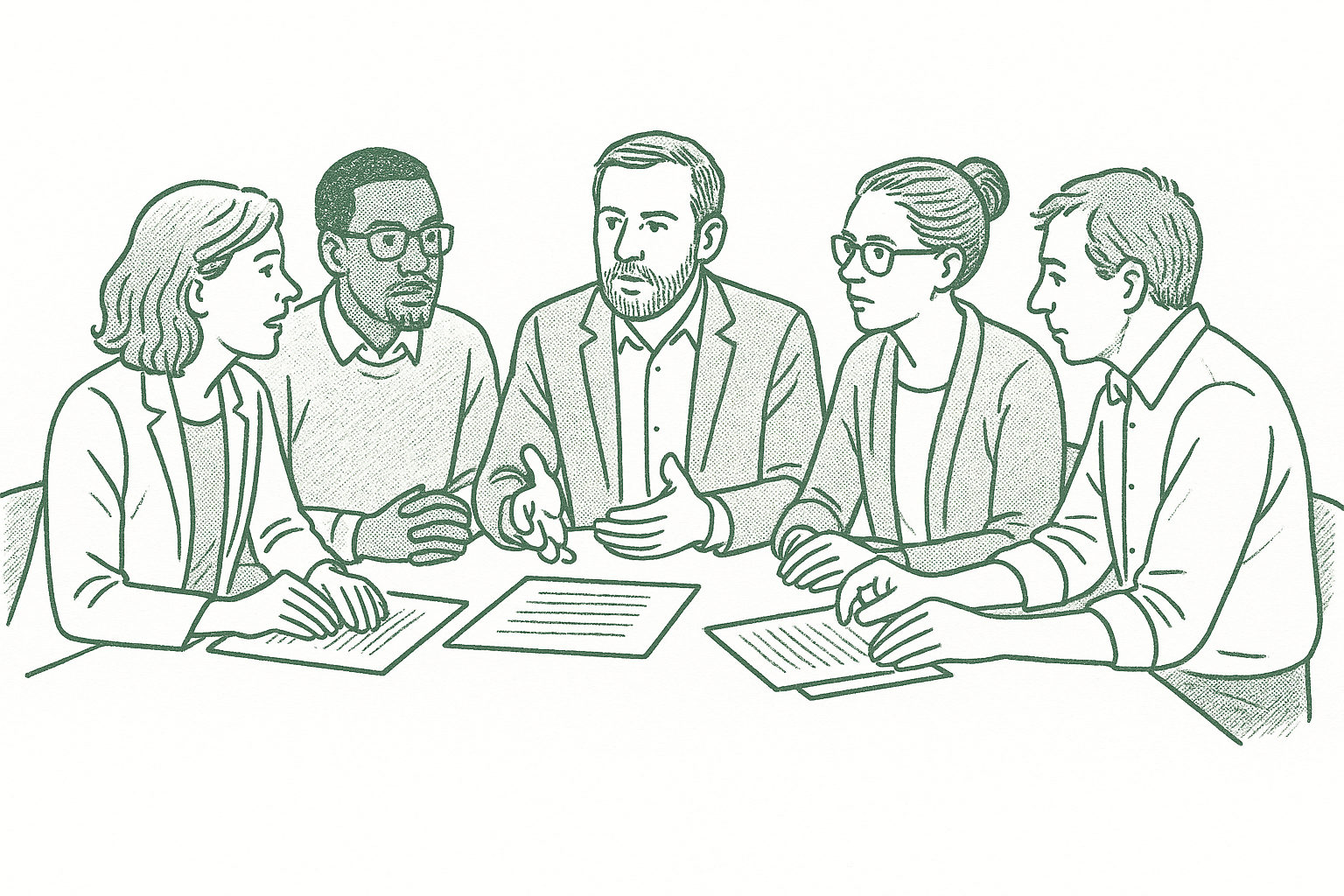
Peer Groups for Nonprofit Leaders: Why Executive Directors Can't Afford to Work Alone
EDs are answerable to board, funders, staff, and community — and confide in almost no one. The ones building organizations that last have found a room where they can actually talk about it.
Masterminds for X
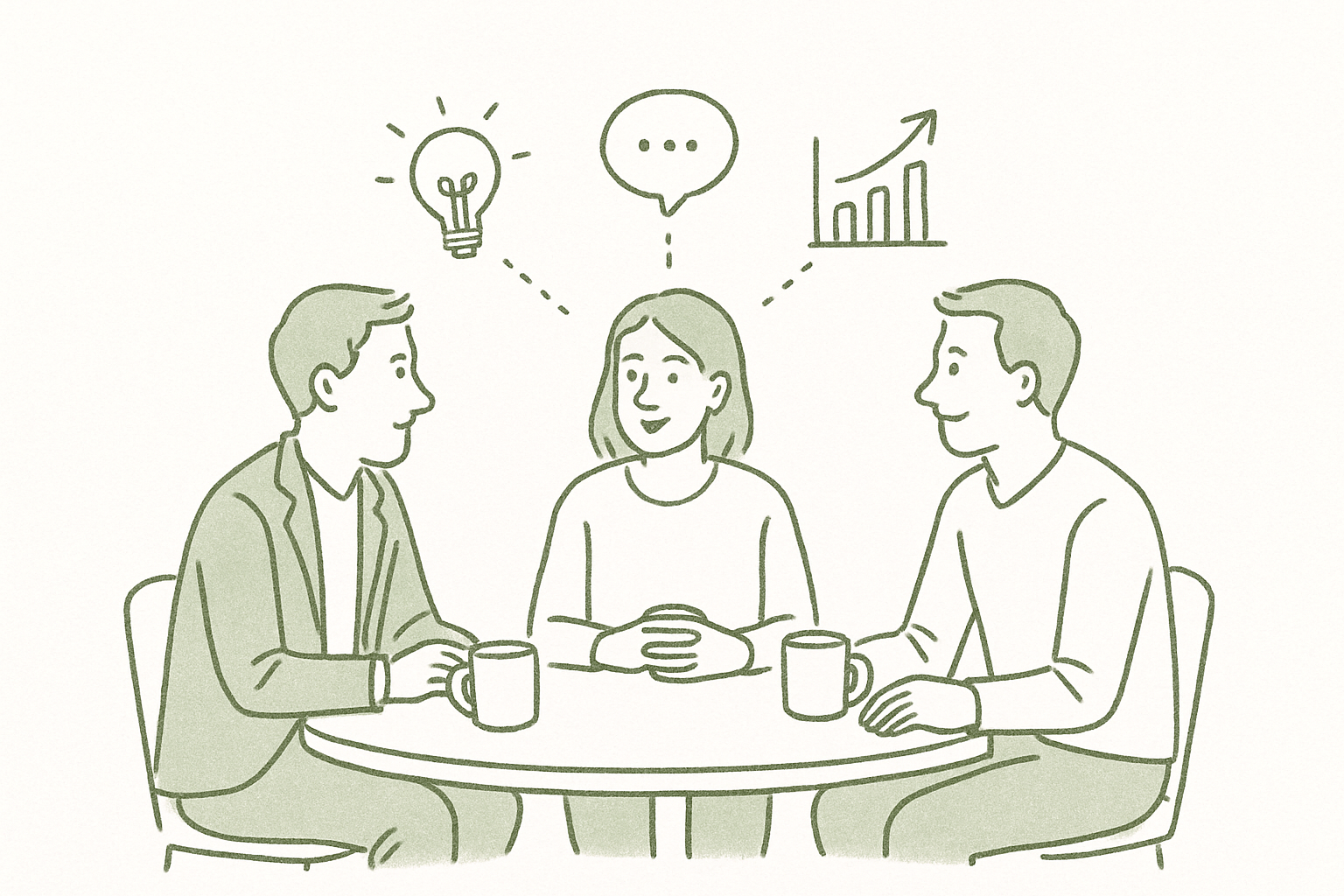
Support Groups for Solo Founders: You Don't Have to Build Alone
Solo founders carry everything. The product decisions, the money stress, the bad weeks you can't put in a Slack channel. The ones who last longest have found a room where they can actually talk about it.
Masterminds for X
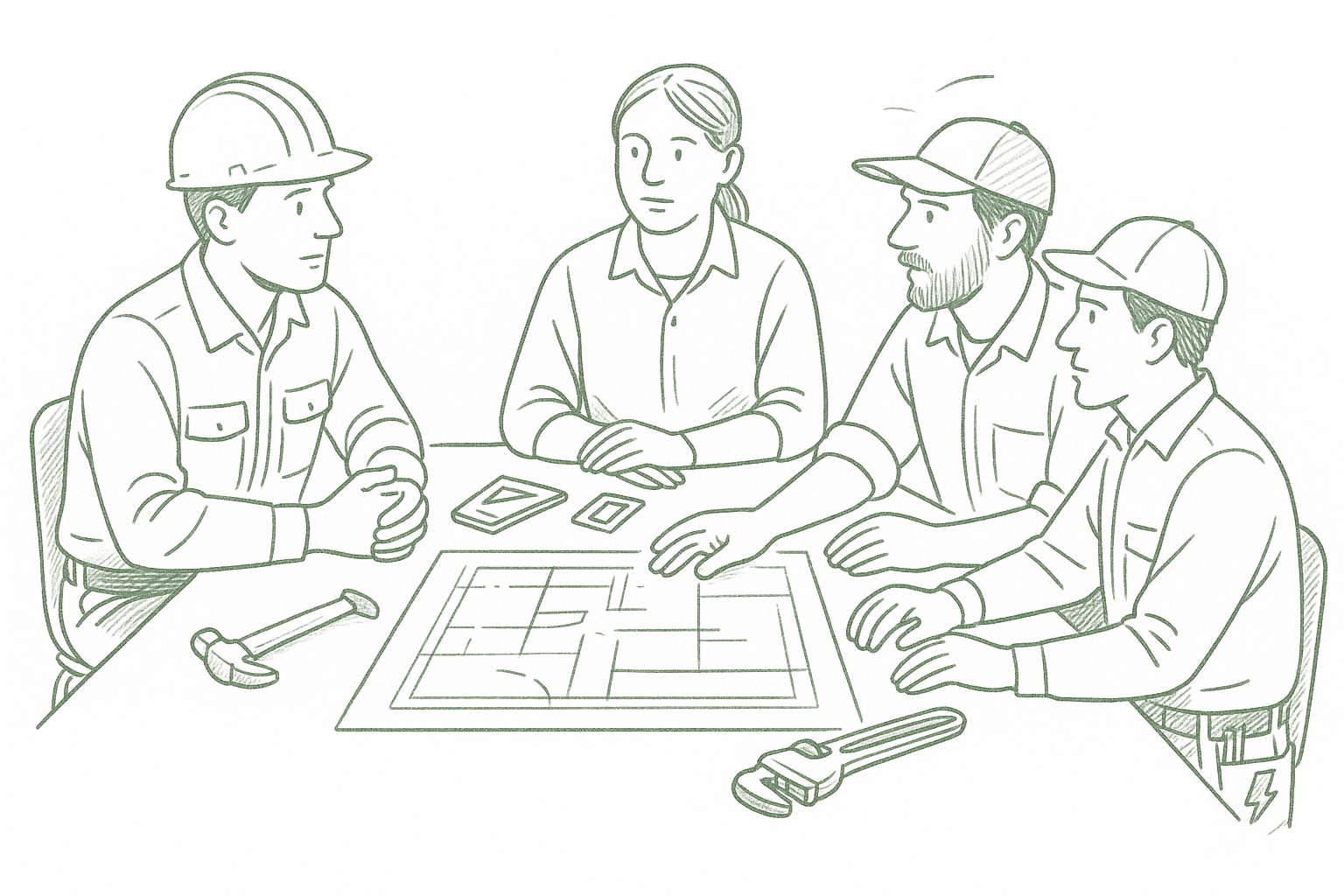
Mastermind Groups for Contractors and Trades: Why Top Builders Never Work Alone
Construction has 5-6% net margins and a brutal failure rate. The contractors building real businesses aren't the hardest workers — they're the ones who stopped figuring it out alone.
Masterminds for X
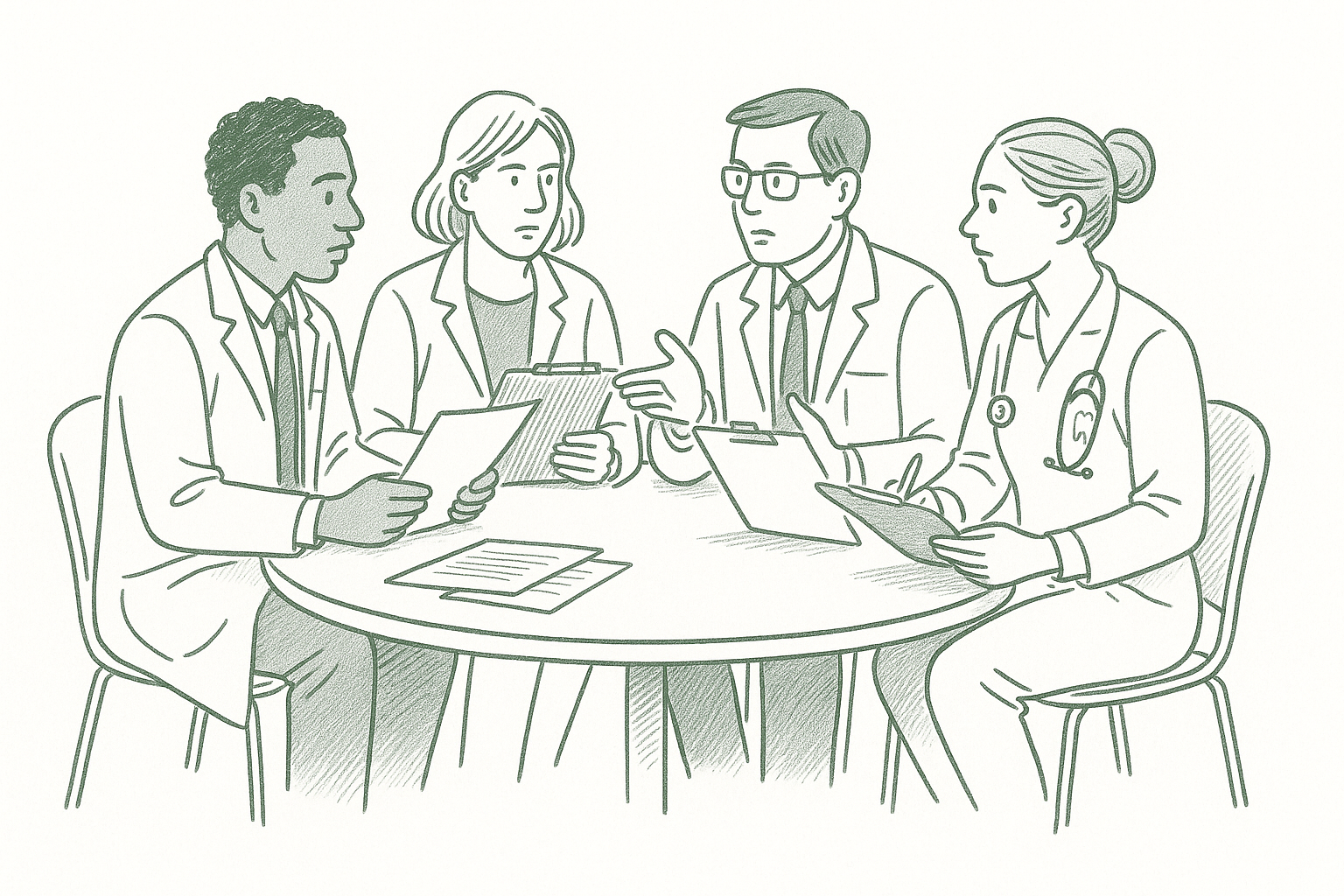
Peer Advisory for Healthcare Professionals: Why Physicians and Dentists Can't Afford to Work Alone
Doctors and dentists are some of the loneliest professionals in the country. The ones building great practices have figured out that clinical training alone doesn't prepare you to run a business.
Science & Research
What 50 Years of Research Says About Small Group Decision-Making
Groupthink, hidden profiles, polarization, and the wisdom of crowds. The science on how groups decide is more nuanced than "two heads are better than one" — and more actionable.
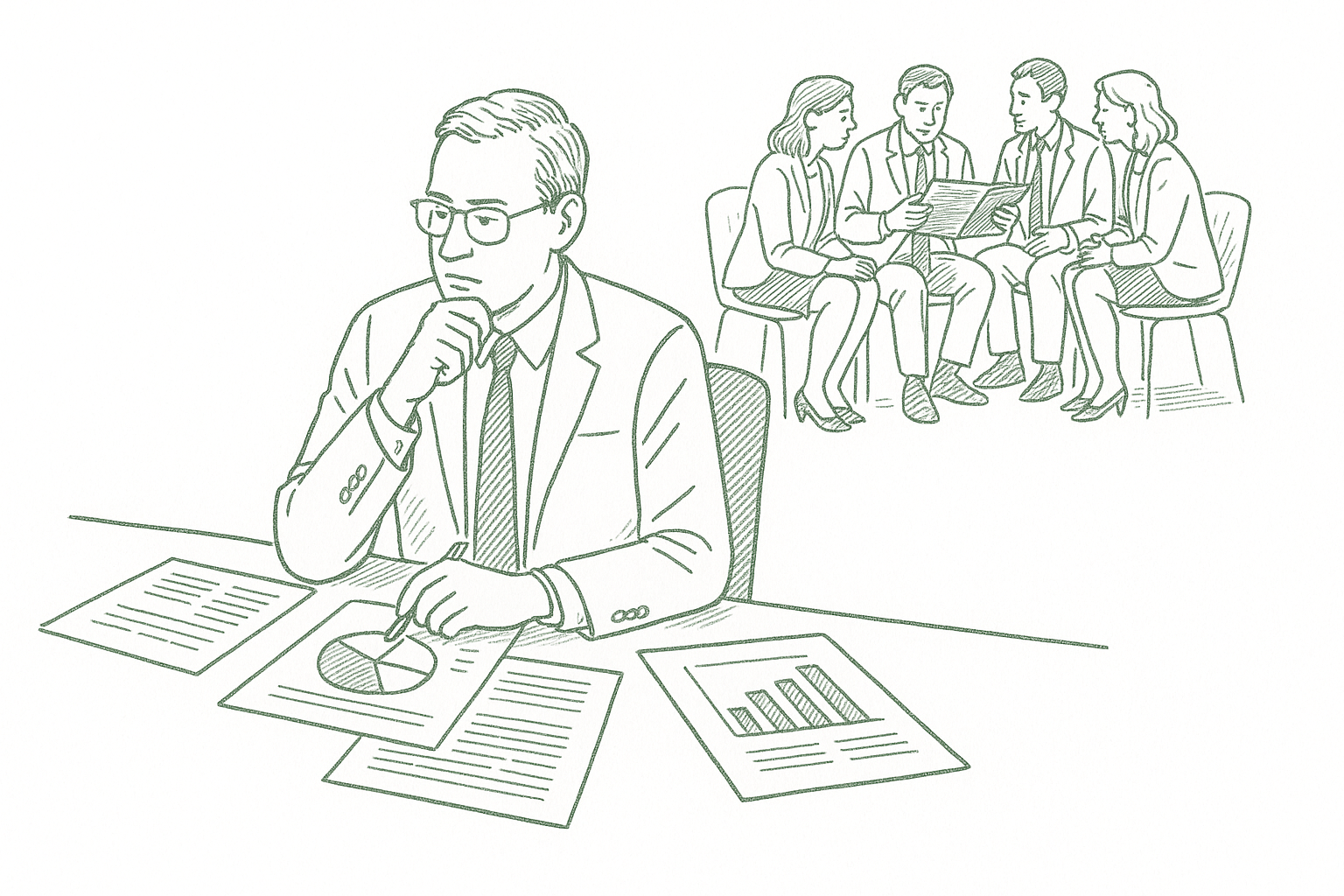
Masterminds for Financial Advisors
Mastermind Groups for Financial Advisors: The Edge Top Producers Share
326,000 advisors navigating the same pressures — compliance tightening, fee compression, aging books. The ones building the best practices stopped working in isolation.
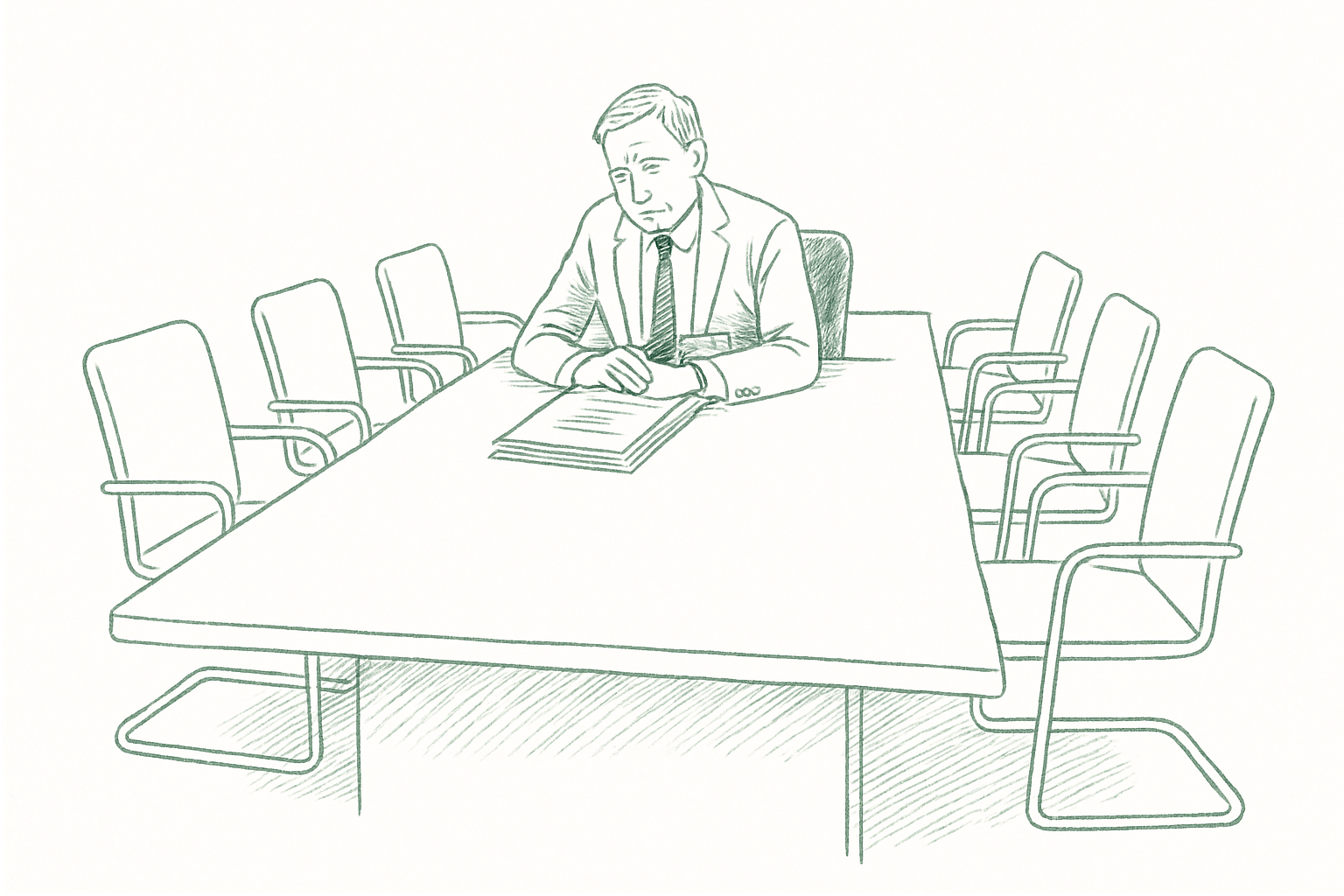
The Problem
The Loneliest Job: Why CEO Isolation Is a Business Risk
50% of CEOs report significant loneliness in their role. 61% say it hinders their performance. This isn't a feelings problem — it's a business risk with a measurable cost.
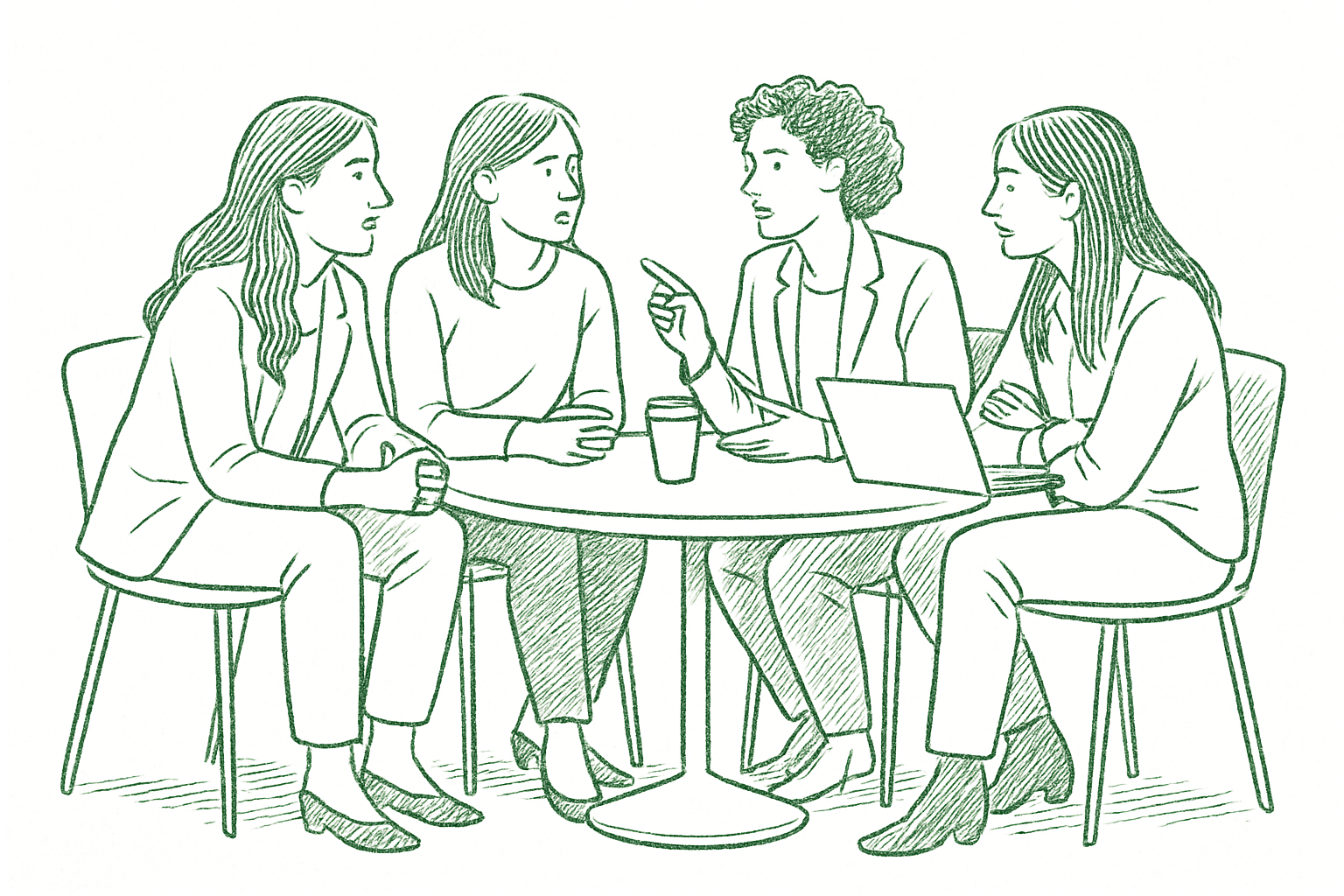
Masterminds for Founders
Peer Groups for Women Founders
Women founders face specific structural headwinds. The research is clear on what actually closes the gap — and it isn't more networking events.
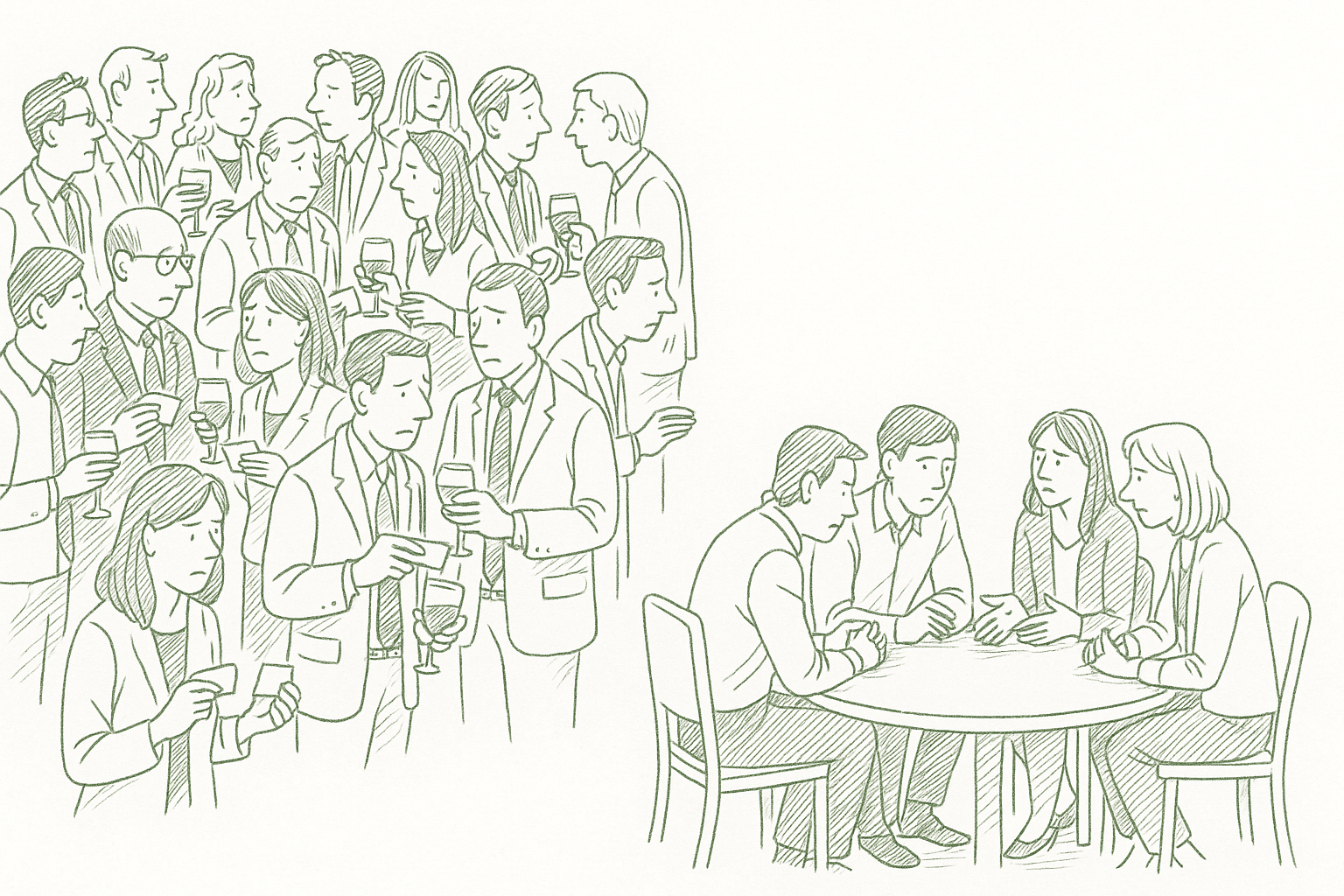
Concepts & Frameworks
Why Masterminds Work and Networking Events Don't
Harvard researchers found that professional networking makes people feel dirty. There's a structural reason networking fails — and a structural reason masterminds don't.
History & Proof
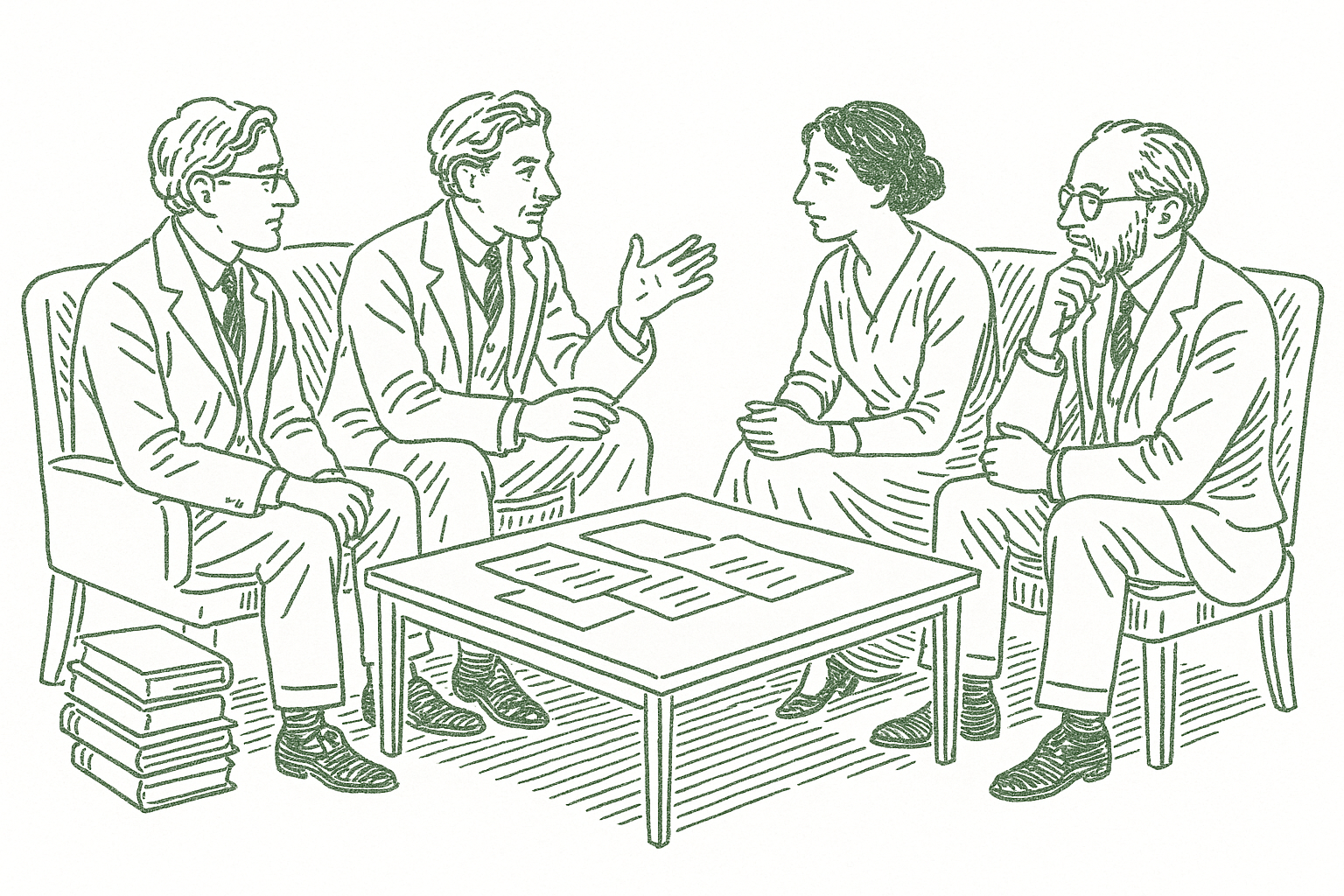
The Bloomsbury Group: How Virginia Woolf's Circle Changed Modern Culture
Ten writers, artists, and intellectuals gathered in a London drawing room for Thursday evenings. They produced modern literature, Keynesian economics, and a new theory of sexuality. None of them could have done it alone.
Masterminds for Founders
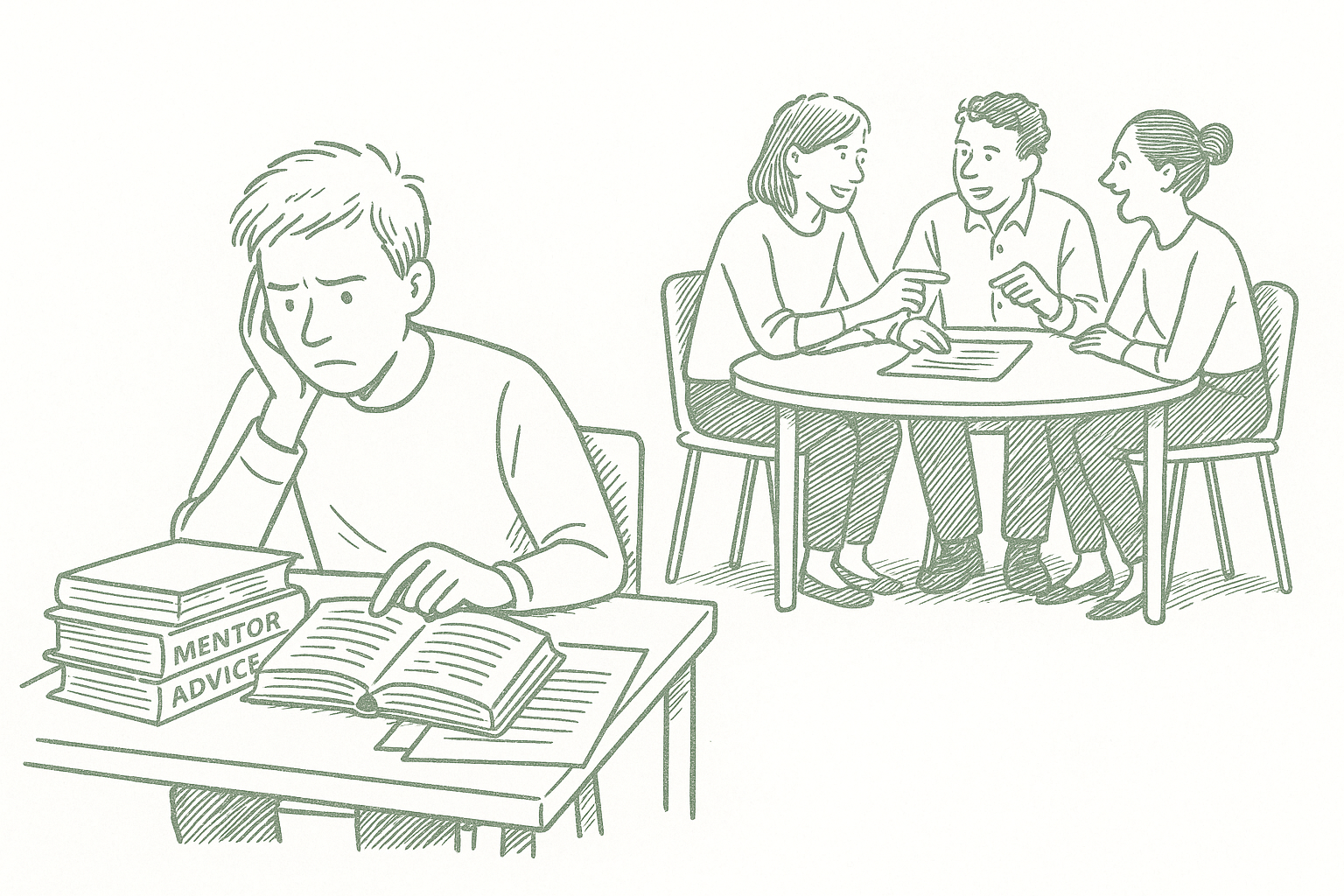
Why First-Time Founders Need a Peer Group More Than a Mentor
Mentors give you advice. Peers give you accountability, pattern recognition, and someone who knows what 3am looks like right now. For first-time founders, the difference is the whole game.
Science & Research
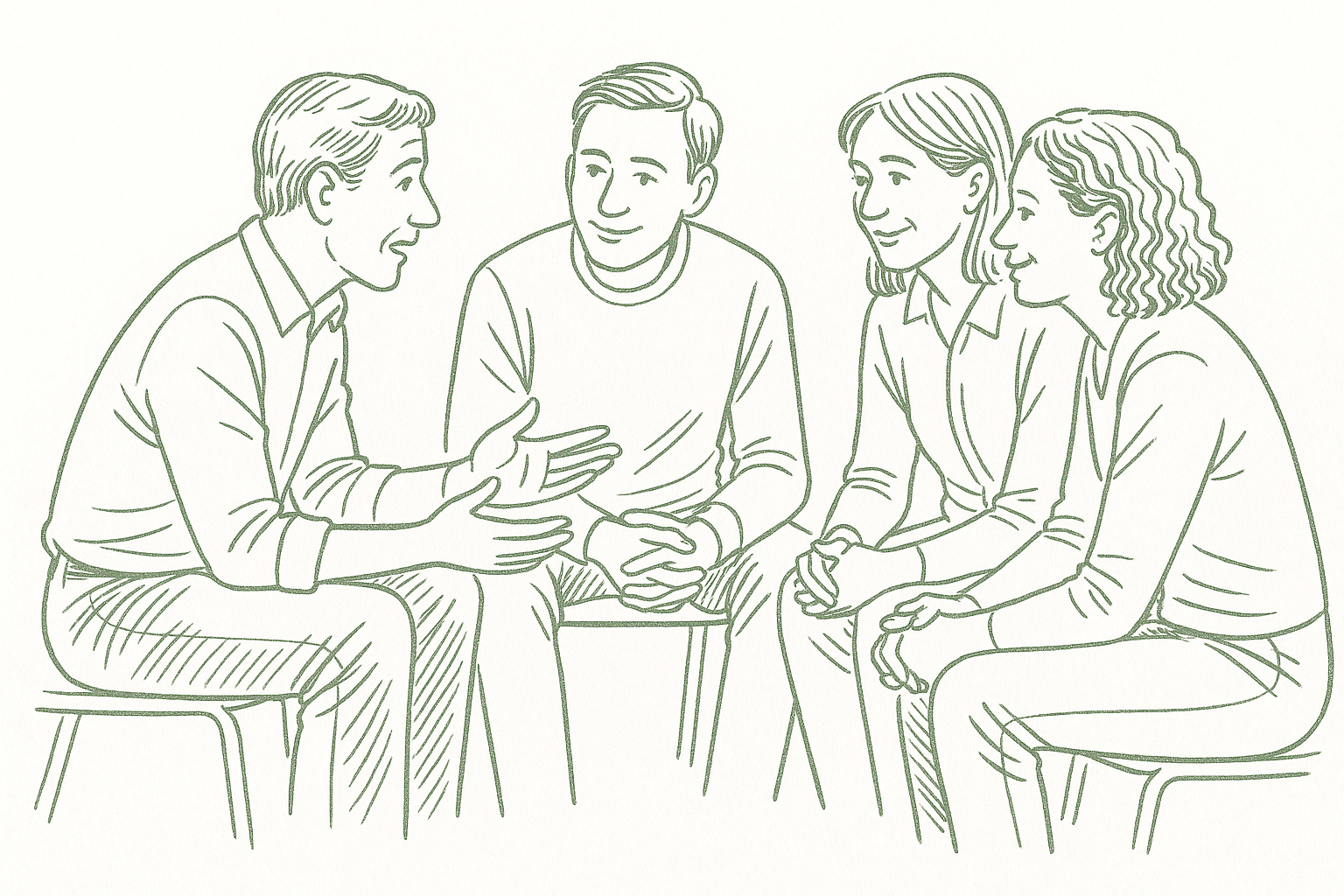
Psychological Safety Isn't a Buzzword — It's Why Some Groups Work
Google studied 180 teams over four years to find what makes some groups extraordinary. The answer wasn't who was in the room.
Masterminds for Ecommerce
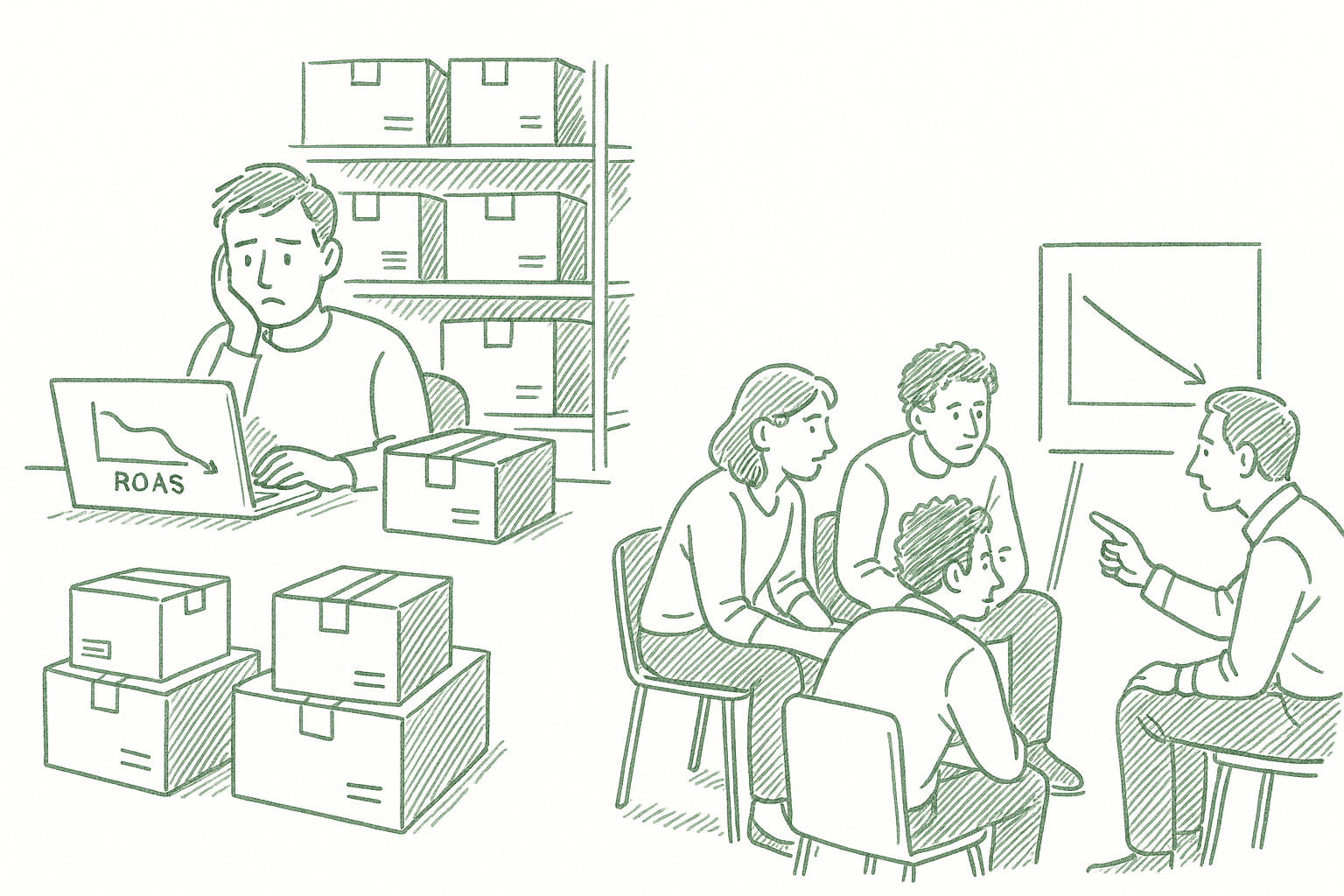
Mastermind Groups for Ecommerce Founders: Why the Best DTC Operators Never Build Alone
Inventory bets, ad spend gambles, supply chain calls — you make them all alone. The founders scaling past seven figures aren't flying solo.
History & Proof
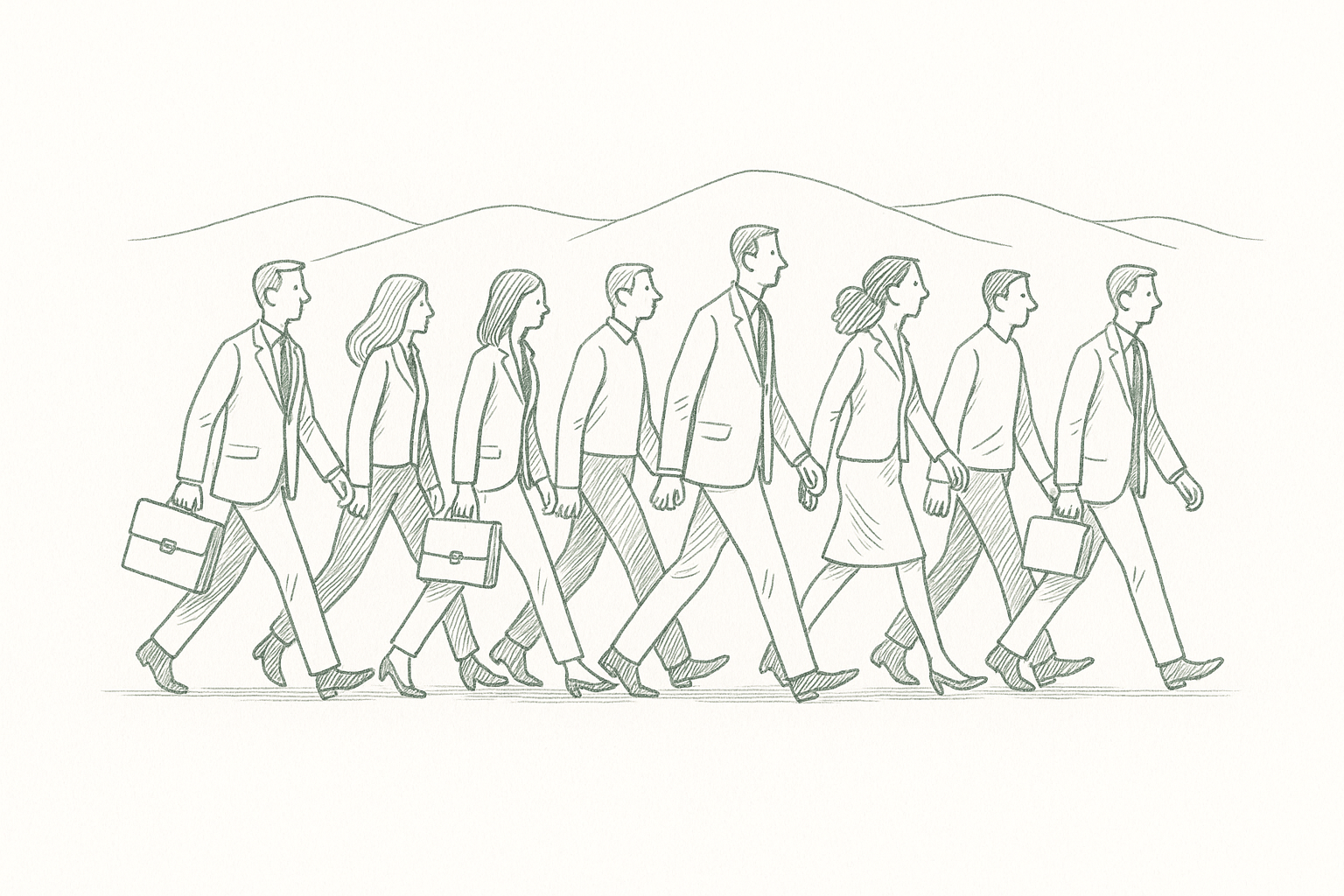
The Fairchild Eight: How a Small Group of Defectors Created Silicon Valley
In 1957, eight researchers walked out on a Nobel Prize winner's lab — together. That collective bet seeded Intel, AMD, Kleiner Perkins, and over $2 trillion in value.
Masterminds for Agencies
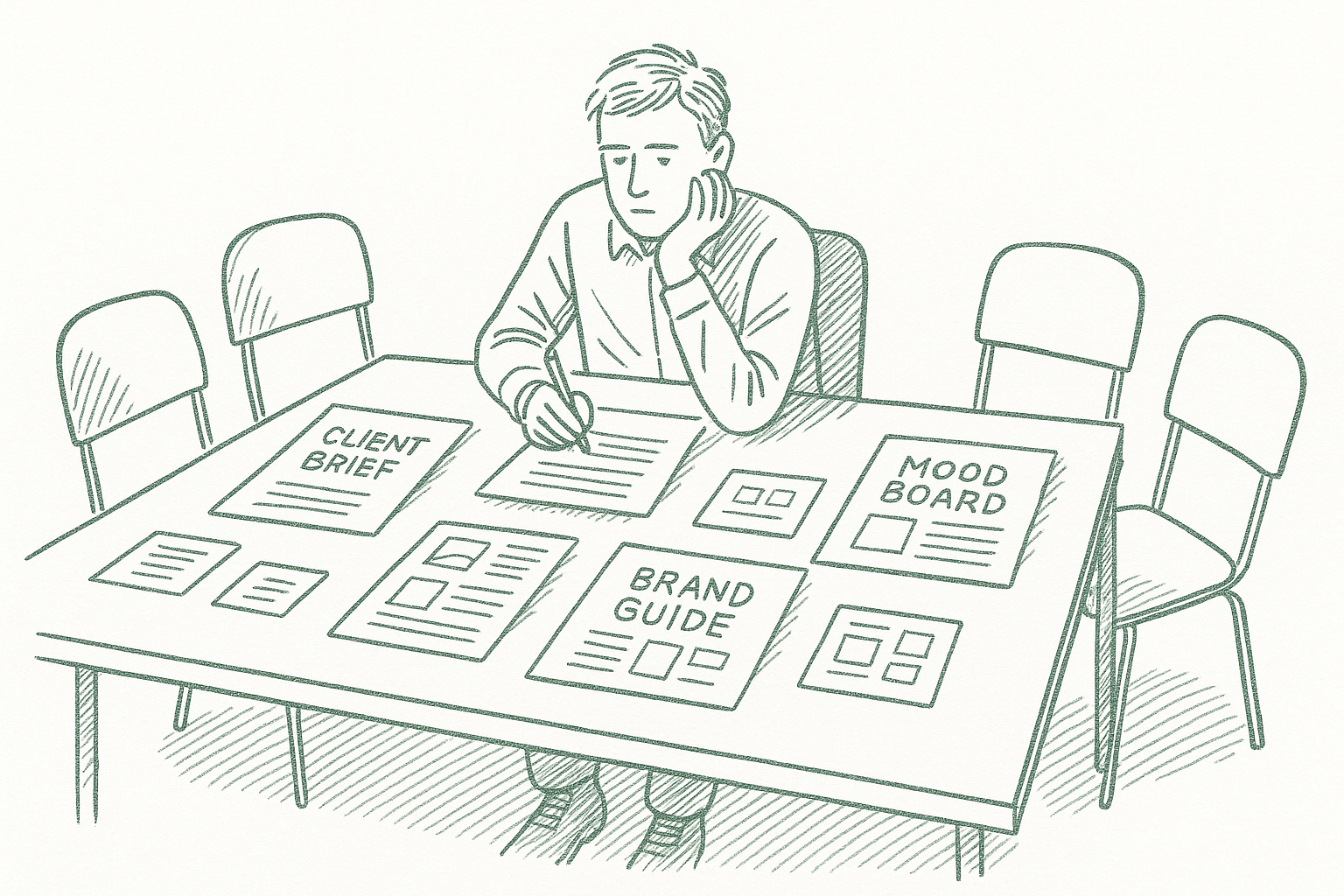
Why Every Agency Owner Needs a Mastermind Group
You help clients solve their problems all day. Who's helping you solve yours?
Science & Research
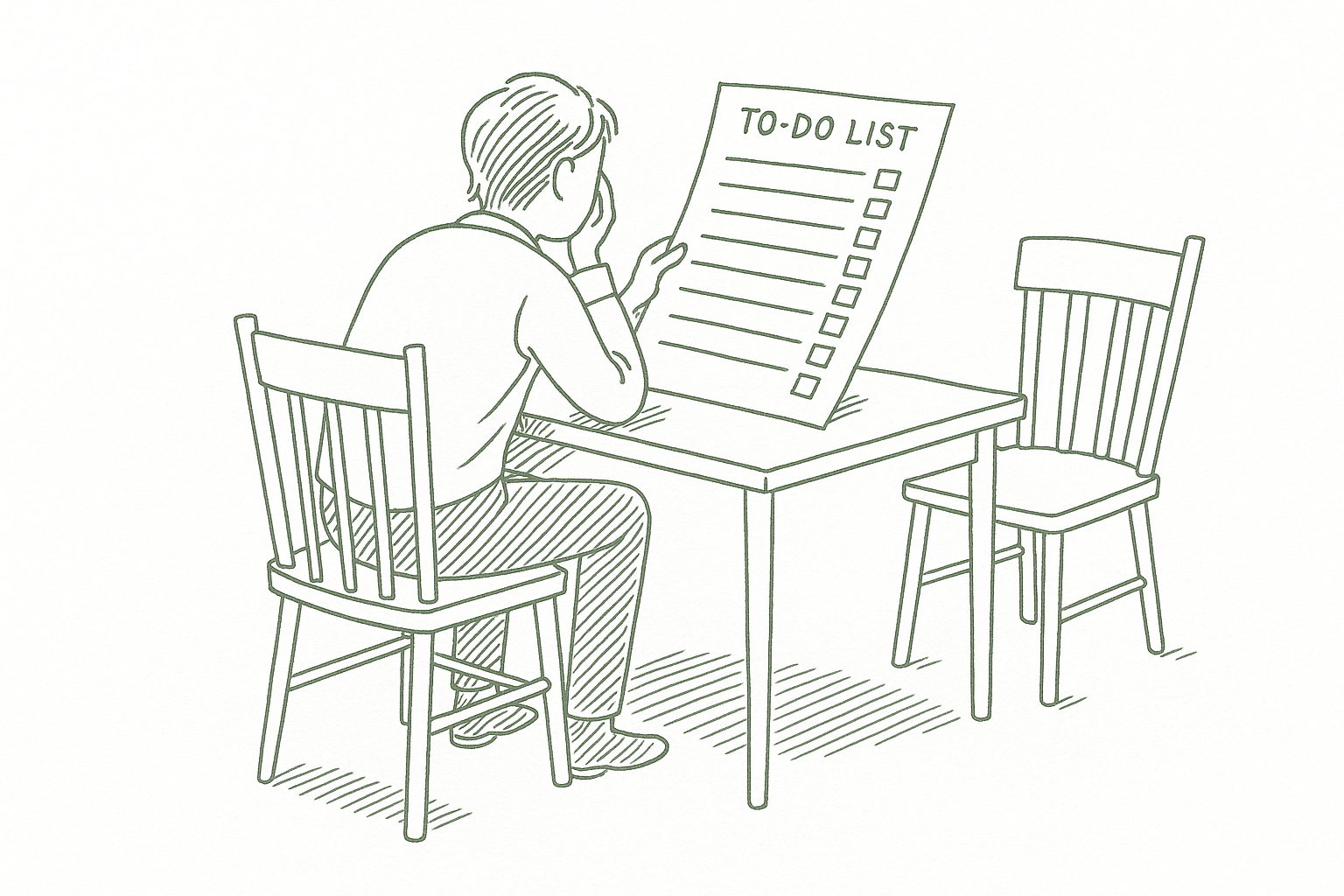
The Accountability Gap: What Happens When Nobody Asks "Did You Do It?"
You said you'd raise prices. Hire that person. Launch that feature. Three months later, nothing changed. The problem isn't discipline — it's that nobody asked.
Masterminds for SaaS
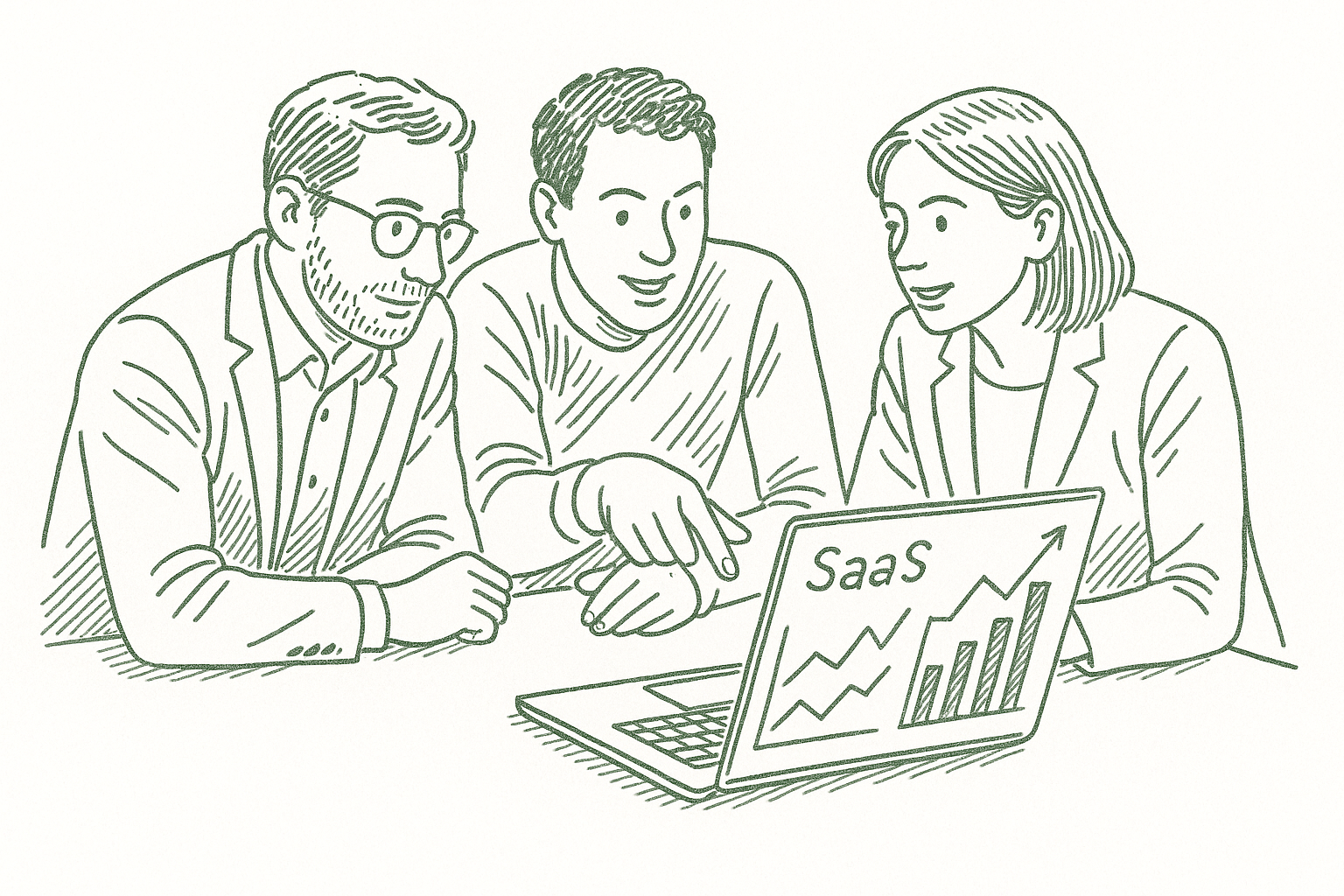
Peer Groups for SaaS Founders: The Unfair Advantage Nobody Talks About
SaaS founders face the same problems at the same stages. Yet most try to solve them alone. The ones who scale fastest have something in common — and it's not a better product.
History & Proof
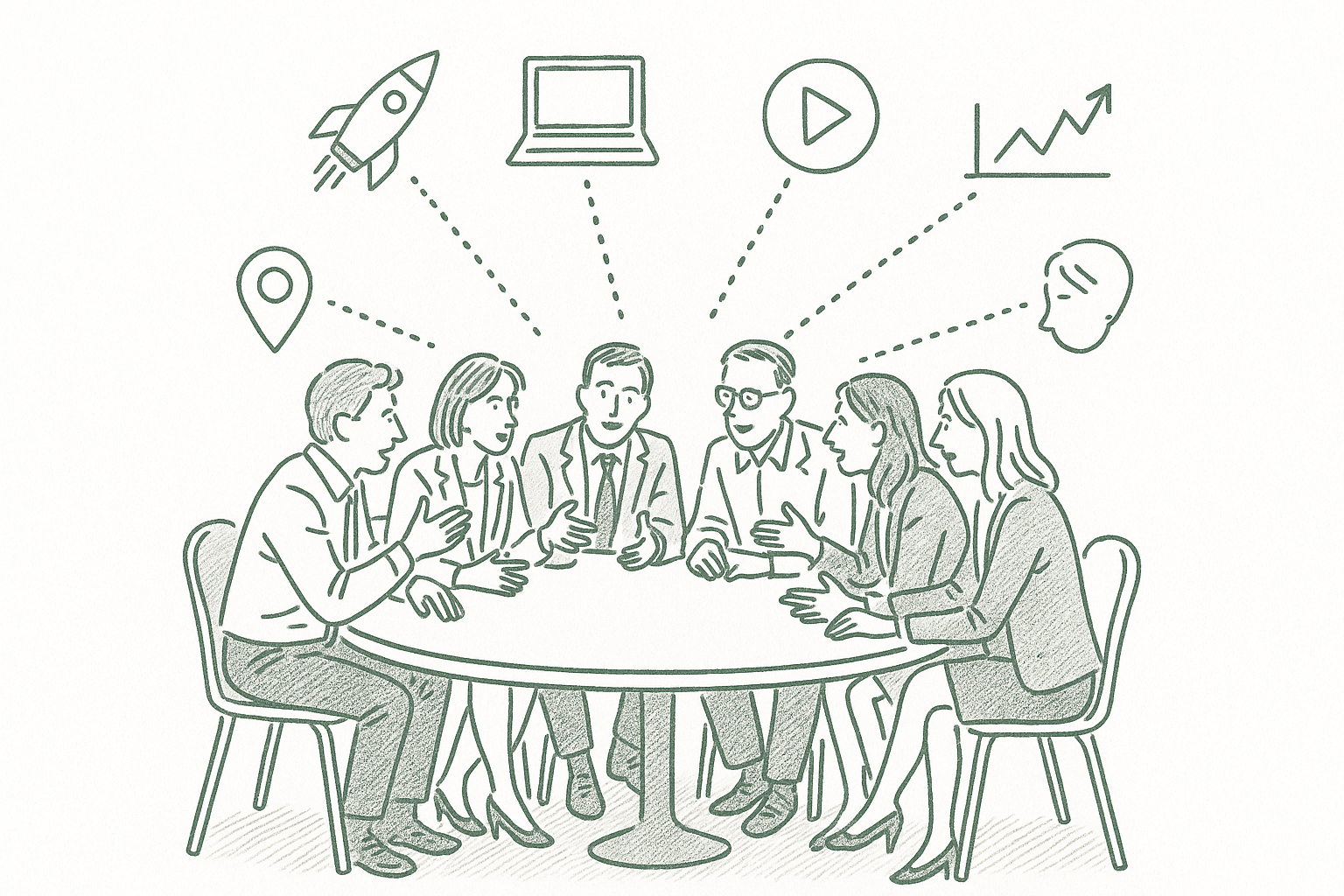
How the PayPal Mafia Built a $500B Empire by Staying in the Same Room
They didn't just work together. They invested in each other, sat on each other's boards, and built the most powerful peer group in tech history.
Masterminds Real Estate
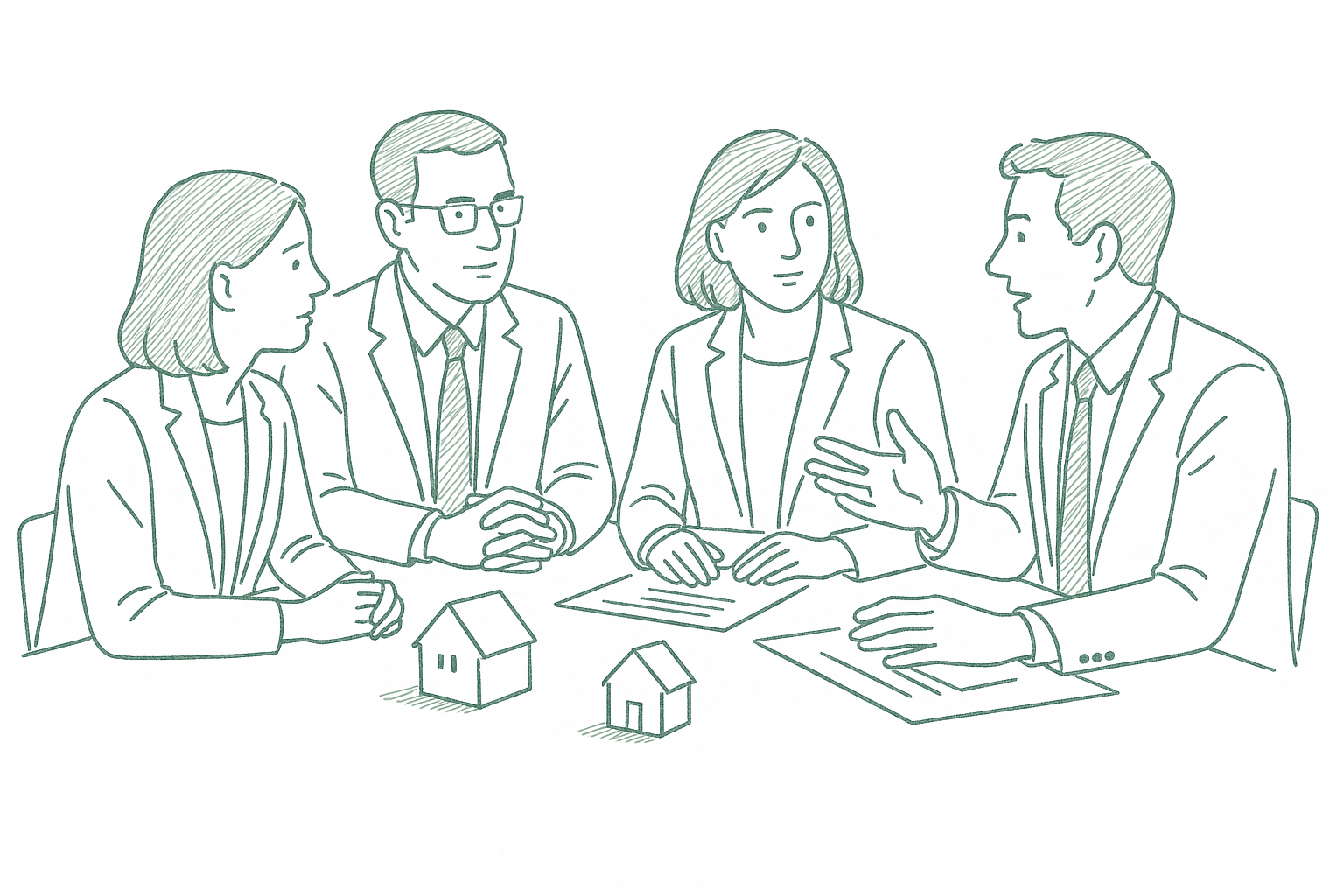
Mastermind Groups for Real Estate Agents: Why Top Producers Never Work Alone
87% of agents fail within five years. The ones who don't have something in common — and it's not a better CRM.
Science & Research
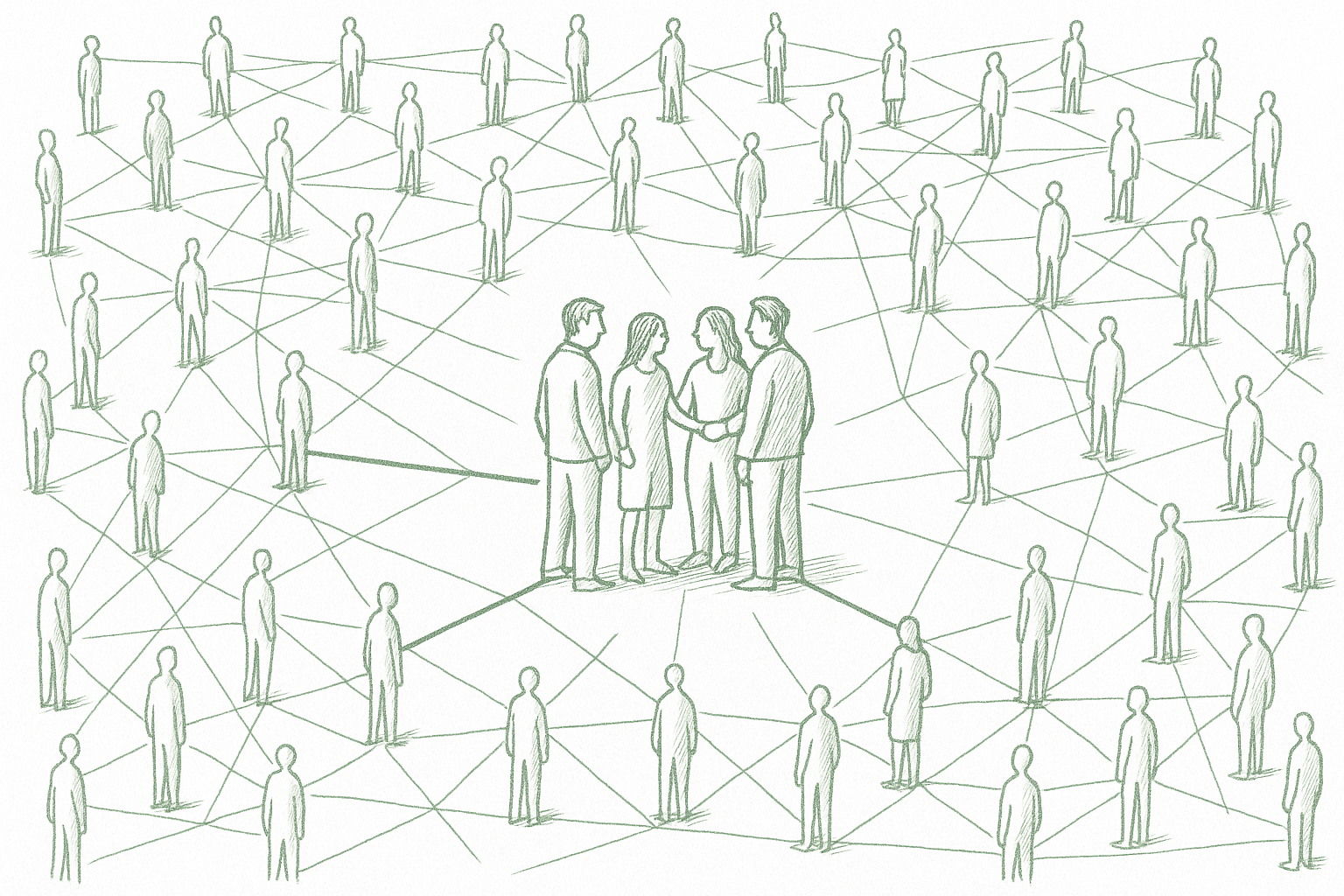
The Dunbar Number Problem: Your Network Is Too Big to Help You
You can maintain 150 relationships. You can count on 5. Here's why your massive network is actually working against you — and what the science says about the groups that matter.
The Problem
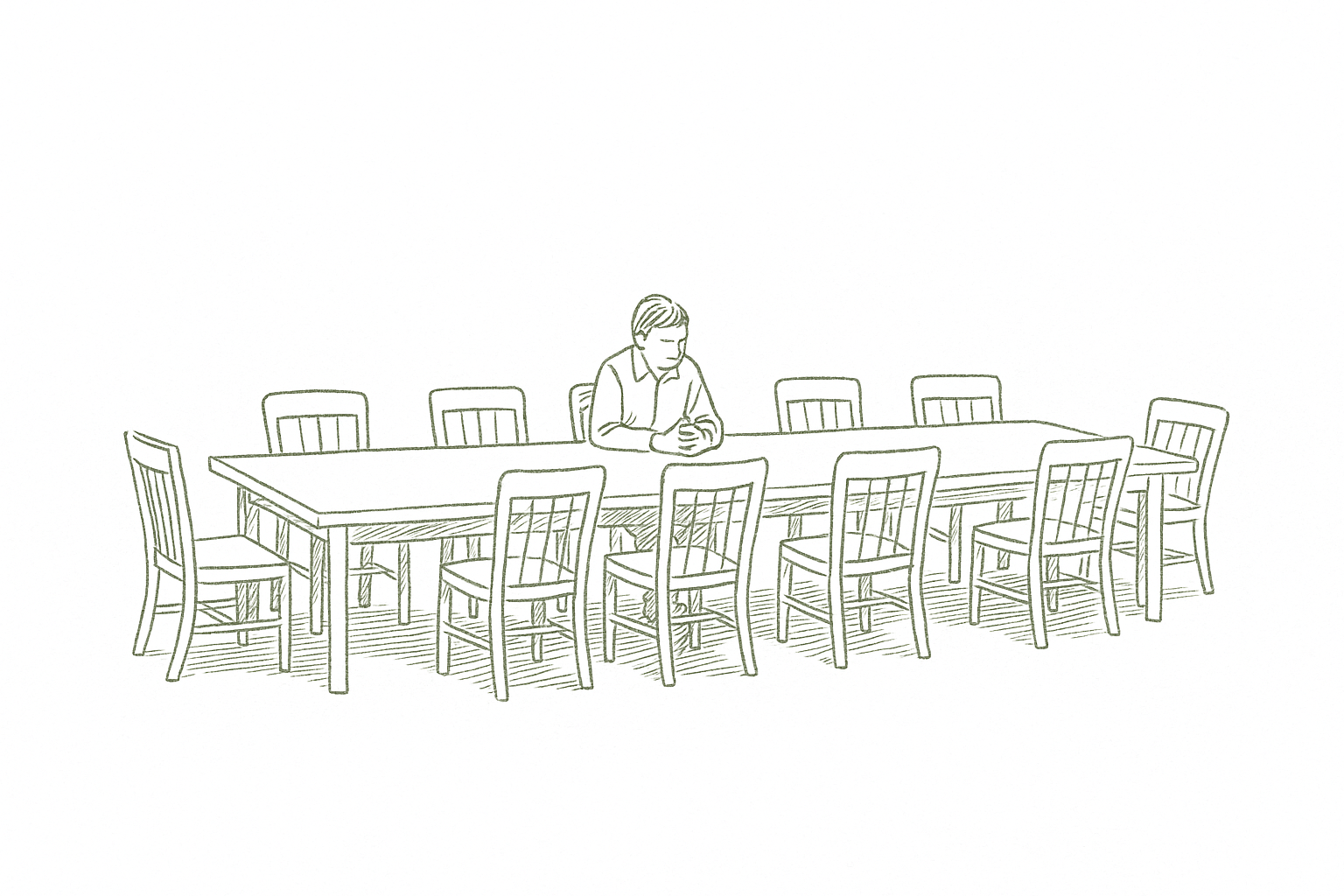
Why Founders Make Worse Decisions Alone
Over 70% of new CEOs report feeling lonely. Research shows that isolation doesn't just feel bad — it makes you objectively worse at the most important part of your job.
History & Proof
The 300-Year History of People Solving Problems Together
From Benjamin Franklin's Junto Club to the boardrooms of today, the most important ideas in history were shaped by small groups of people who showed up for each other.